






LPG Crisis, Mill Holidays and Elections Spark Mass Exodus from Surat
Surat | Gujarat — A severe shortage of LPG cylinders, forced weekly shutdowns in textile mills, the upcoming West Bengal Assembly elections and summer vacations have triggered a massive exodus of...

Surat | Gujarat — A severe shortage of LPG cylinders, forced weekly shutdowns in textile mills, the upcoming West Bengal Assembly elections and summer vacations have triggered a massive exodus of migrant workers from Surat, exposing the failure of assurances made by the city administration and the State Government on ensuring smooth cooking gas supply.
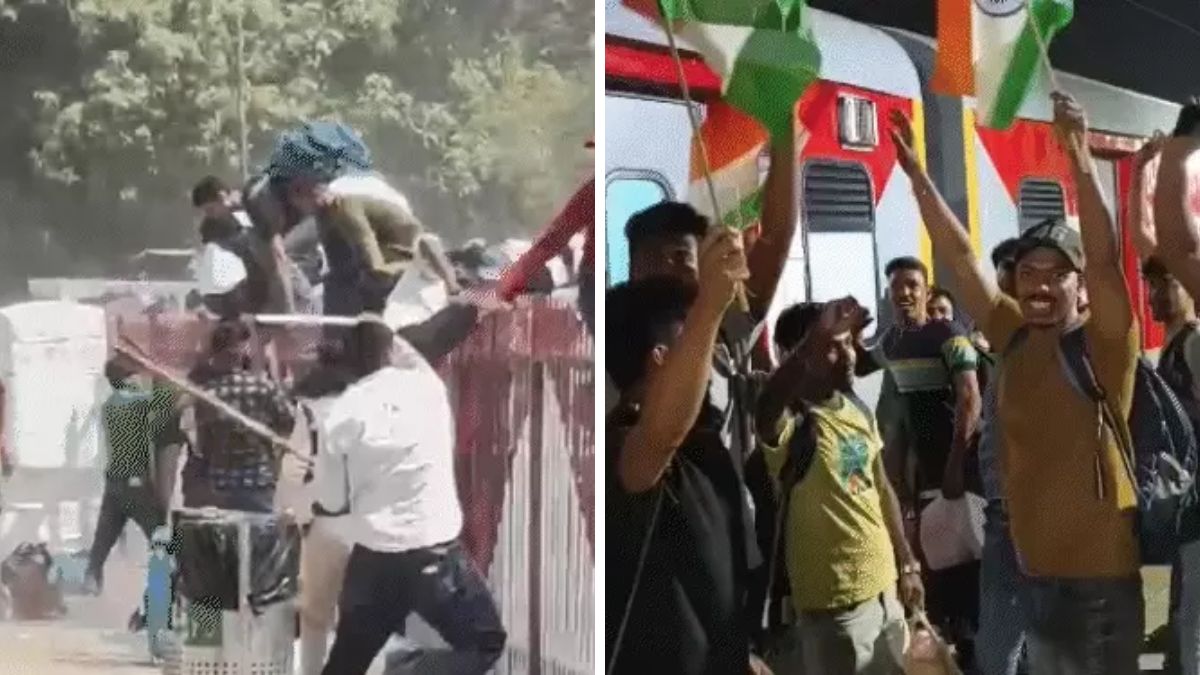
The city’s Udhna railway station has once again turned into a symbol of chaos and desperation. Thousands of workers from Uttar Pradesh, Bihar and West Bengal are leaving the diamond and textile hub in droves, saying survival in the city has become impossible without cooking gas and stable work.
“I haven’t received an LPG cylinder for weeks. We are cooking on wood and borrowing from neighbours. How can we stay here?” said Rakesh Yadav, a textile worker waiting in line since midnight to board a train home.
Two-Kilometre Queues and 16 Hours of Waiting
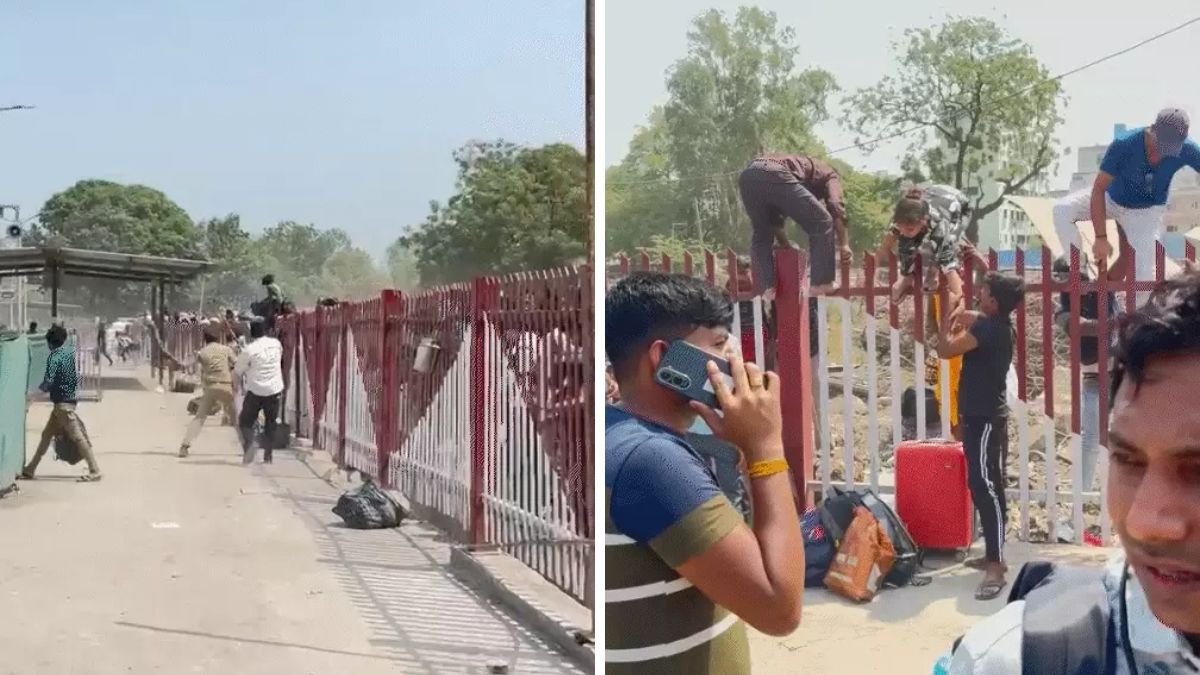
As summer vacations began, the crowd at the station spiralled out of control. Passengers were forced to stand in queues stretching over two kilometres and wait for more than 16 hours without food or water. With only two trains available for more than 8,000 passengers, tempers flared and police had to resort to lathicharge to control the swelling crowd.
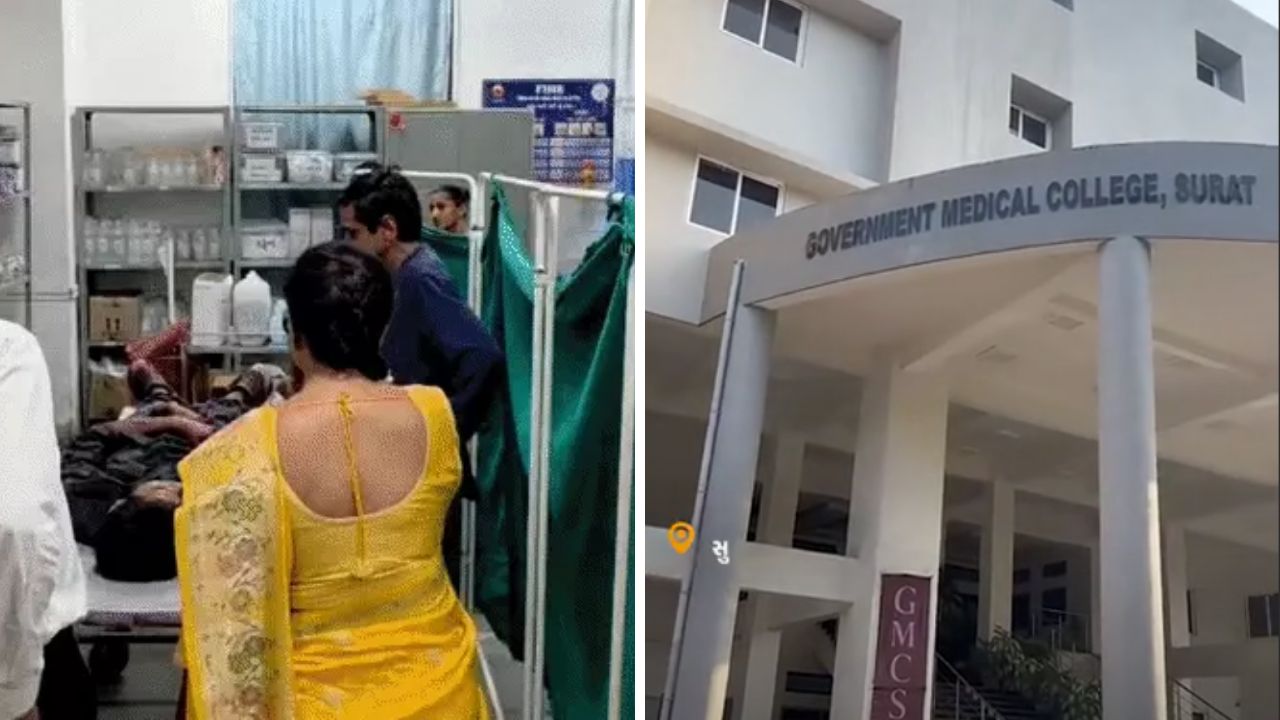
Women carrying children were seen crying as the situation worsened. Some climbed over sharp barricades in desperation to reach the platform. Two passengers fainted due to extreme heat and suffocation.
“We have been standing here since yesterday afternoon. There is no drinking water, no shade, no information. We feel abandoned,” said Suman Devi, who was trying to return to her village with her two young children.
Water Shortage Turns Desperate
When drinking water was finally arranged, disturbing scenes emerged as passengers snatched bottles from one another in desperation. Among the crowd was Abhajit Bind, wandering for hours with the ashes of his 25-year-old wife, trying to board a train to Prayagraj for immersion in the Ganges.
“I just want to fulfil her last wish. I have been walking here all night,” he said before railway police intervened to help his family board the Tapi Ganga train.
Railway Claims vs Ground Reality
Railway officials said additional trains were run to ease the rush. “We had pre-planned the movement and operated four to five extra unreserved trains. One train left at 1:30 am with 4,000 passengers,” said a railway official.
However, workers on the ground dismissed the claims. “If arrangements were adequate, why are we still standing in lines for hours?” asked Mohammad Salim, a diamond worker returning to Malda.
A Crisis Years in the Making
Every year during festivals and summer holidays, lakhs of workers head home from Surat. Yet the station still has a shed that can hold barely 1,500 people. Thousands were forced to sit on roads in the scorching heat.
For many migrants, the message is clear. “Without gas and with mills shutting twice a week, how will we survive?” asked Manoj Paswan. “We are going home until things improve.”