



Dr Nikhil Kanase Suman Rehab Center and Shanti Wellness and Rehab Pune Are Confronting the Reality Most Mental Health Systems Avoid
There is a version of mental health treatment in Pune that looks good on paper. Diagnosis, medication, discharge. Files closed, beds freed, families told to stay hopeful. And then there is what...

There is a version of mental health treatment in Pune that looks good on paper. Diagnosis, medication, discharge. Files closed, beds freed, families told to stay hopeful. And then there is what actually happens after. Relapse. Withdrawal. Silence. The slow return of everything that was supposedly treated.
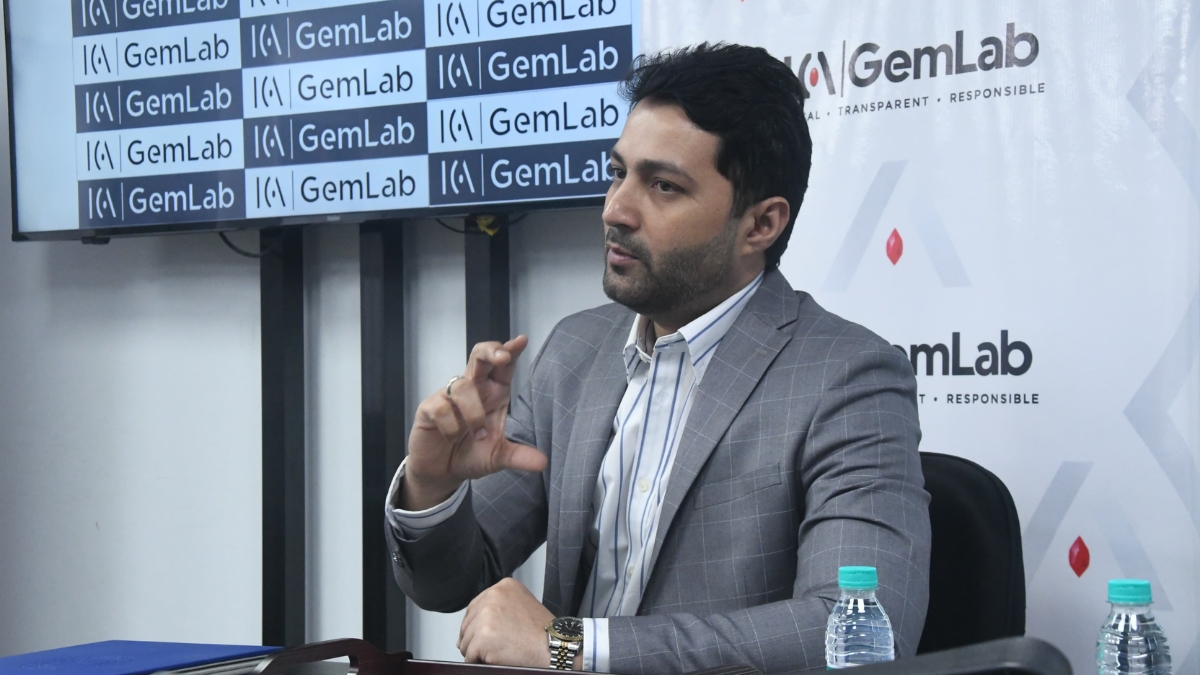
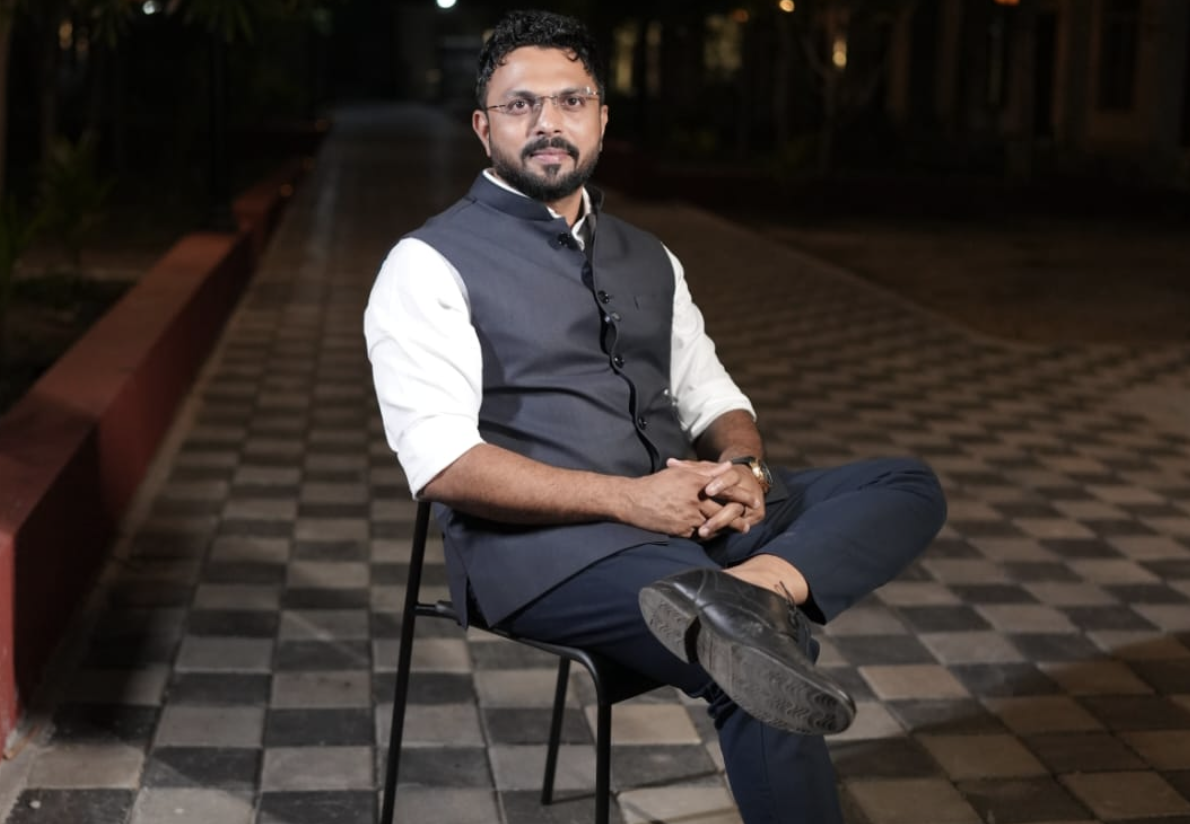
Dr Nikhil Kanase, a psychiatrist in Pune, did not arrive at this understanding through theory. He saw it play out repeatedly across more than a decade of practice. Patients cycled through addiction treatment in Pune and psychiatric care centers in Maharashtra, improving just enough to be discharged but not enough to sustain recovery. Families came back exhausted, financially strained, and increasingly skeptical of the system.
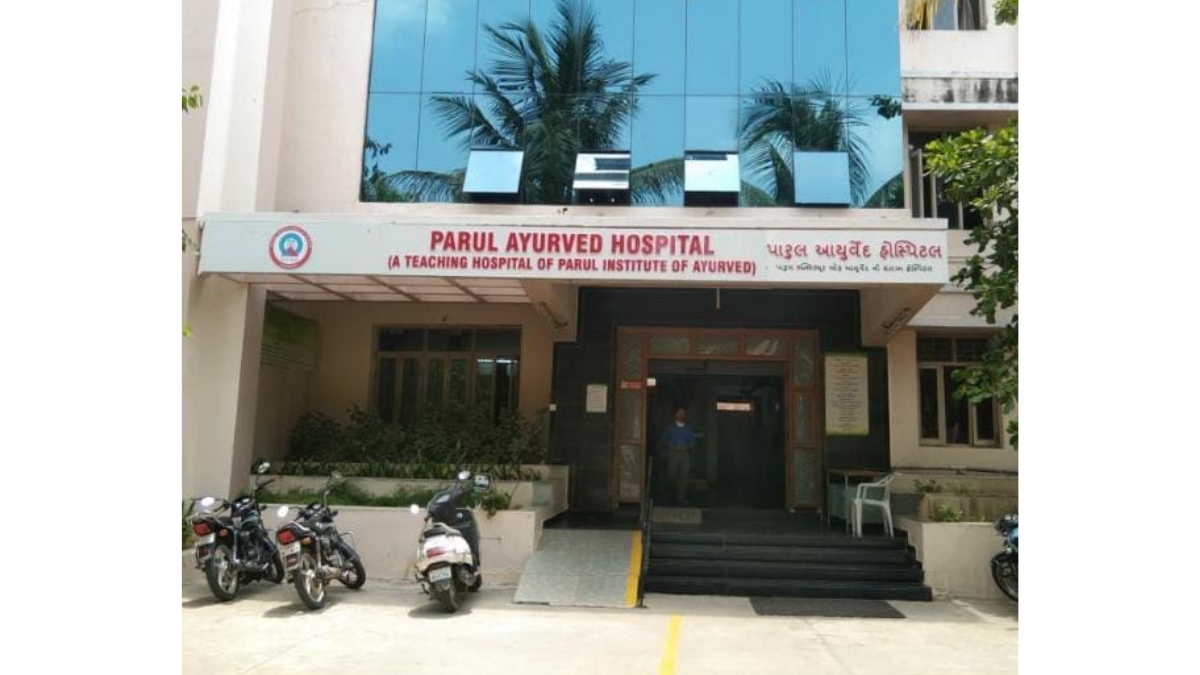
That gap between treatment and reality is where Suman Rehab Center Pune and Shanti Wellness and Rehab Pune take their stand. Not as another rehab center in Pune promising recovery, but as a psychiatric rehabilitation center in India that acknowledges something most setups avoid saying out loud. Medication alone does not rebuild a life.
The structure here is intentionally demanding. Days are not left open ended. Patients move through tightly designed routines that combine medical care, therapy and counselling in Pune, and social rehabilitation. There is an insistence on participation. Occupational rehabilitation is not treated as an add on activity but as a core part of mental health recovery programs in India, because idleness is often where relapse begins to rebuild itself.
What is equally striking is the level of visibility. In most addiction treatment centers in Pune, families are expected to trust the process from a distance. Here, distance is removed. Daily updates are shared without dilution. Photos, videos, schedules, meals, hygiene, everything is documented and communicated. It is not performative transparency. It is a system that forces consistency because it is being watched every day.
The question of affordability is handled just as directly. Mental health rehabilitation services in India often come with a price tag that quietly filters out those who need them most. Shanti Wellness and Rehab Pune positions itself differently, functioning as an affordable rehab center in Pune for individuals who have already been pushed to the margins. Many arrive here after being turned away, abandoned, or written off.
During COVID, when uncertainty became the default and many facilities stepped back, this psychiatric care center in Maharashtra did the opposite. It continued operating and took in psychiatric patients who were also COVID positive, a category most were unwilling to handle. That decision was not strategic. It was necessary.
Outside the walls of the center, the work has been just as deliberate. Over 400 to 500 mental health awareness camps in India, including initiatives like the Manipur Psychiatry camp, reflect an effort to confront ignorance at scale. Not through campaigns that sound good, but through direct engagement with communities that still misunderstand or dismiss psychiatric illness.
Perhaps the most critical layer is what happens after a patient leaves. Aftercare mental health programs here are not loosely defined check ins. They are structured, monitored, and persistent. Relapse prevention is treated as a process, not a warning. Families are kept involved because recovery, in reality, is rarely an individual effort.
For a demographic that is educated yet often dismissive of mental health complexity, this model is uncomfortable. It does not offer quick reassurance or simplified narratives. What it offers instead is a version of care that is harder to execute and harder to ignore.