




Surat Airport Under Threat as Illegal Encroachments Fuel Monsoon Flood and Aviation Risks
Surat | Gujarat — As monsoon clouds gather over South Gujarat, a dangerous mix of unchecked encroachments, illegal shrimp ponds, and riverbed constructions around the city’s most critical...

Surat | Gujarat — As monsoon clouds gather over South Gujarat, a dangerous mix of unchecked encroachments, illegal shrimp ponds, and riverbed constructions around the city’s most critical infrastructure has sparked serious alarm over public safety and environmental stability in Surat. Areas surrounding the Surat International Airport and the fragile ecosystem of the Tapi River are now under scrutiny for what experts describe as a “systemic governance failure” that could have catastrophic consequences.
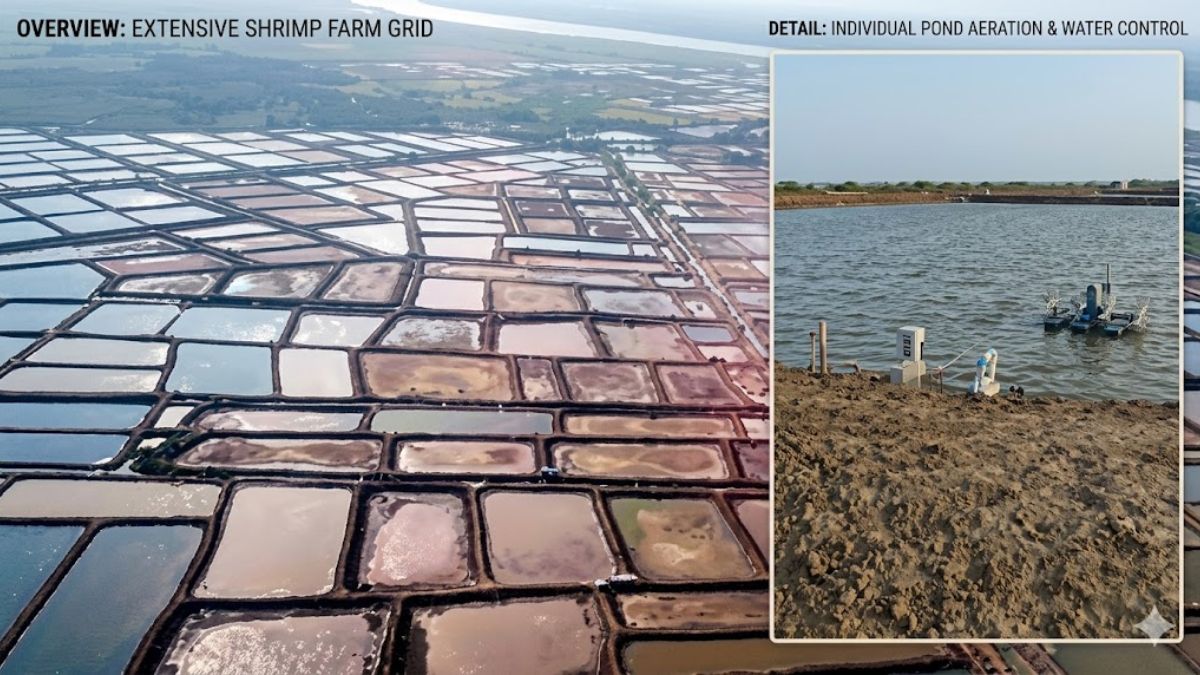
According to environmental and infrastructure experts, large stretches of coastal and floodplain zones in Bhimpore, Dumas, Abhawa, Khajod, and Bhatha have been overtaken by illegal shrimp farming units and unauthorised structures, many of which directly violate Coastal Regulation Zone (CRZ) norms and court directives.
Bird Strike Risk Near Runway Raises Aviation Alarm
One of the most serious threats emerging from these encroachments is the increasing risk of bird strikes. Shrimp ponds close to the airport runway have become feeding grounds for migratory and coastal birds, especially during monsoon.
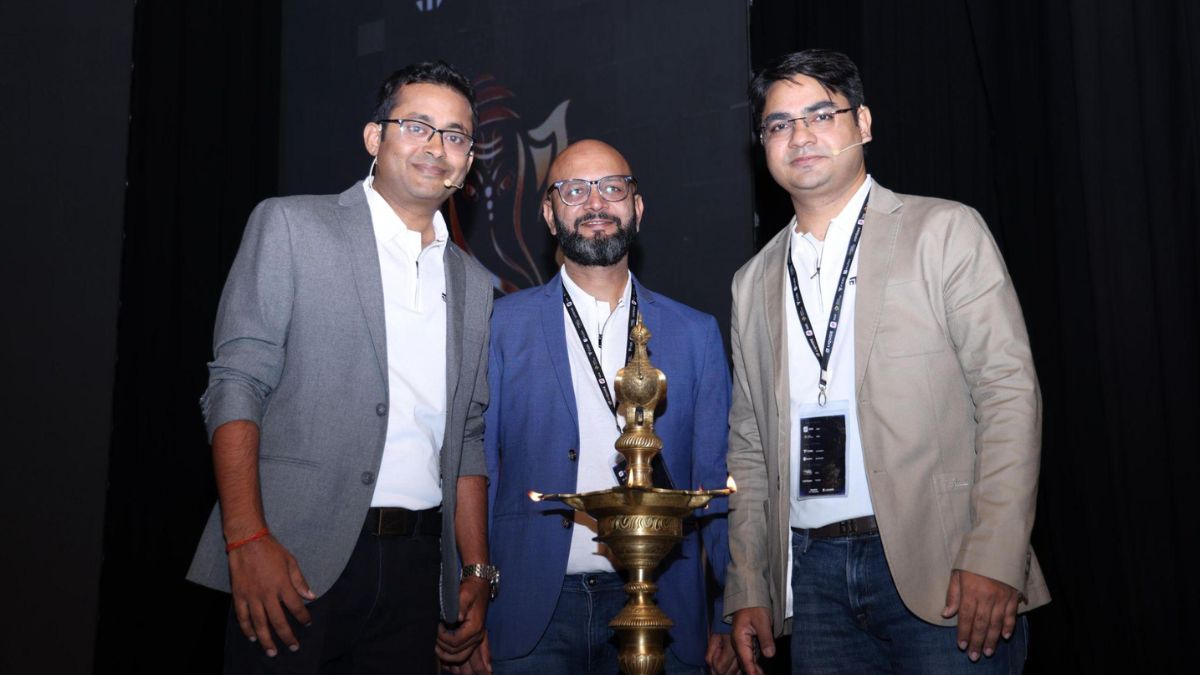
Dr. Pankaj Gandhi, researcher and scientist at Sardar Vallabhbhai National Institute of Technology (SVNIT Surat), warned that the situation is escalating rapidly.
“Artificial water bodies created through illegal shrimp farming are acting as magnets for bird populations. With aircraft movement increasing at Surat Airport, even a single bird strike can become a major safety incident,” Dr. Gandhi said.
Blocked Natural Drainage Leading to Urban Flood Risk
Experts also point to large-scale obstruction of natural creeks and drainage channels. Earthen bunds constructed for shrimp farming are disrupting the flow of rainwater toward natural outfalls, increasing the risk of flooding in low-lying areas and even airport premises.
Dr. Gandhi added, “Surat’s drainage system is extremely sensitive. When natural waterways are blocked, water has no exit path. This leads to sudden urban flooding, especially during intense monsoon spells.”
Tapi Riverbed Encroachment and Illegal Construction
Serious concerns have also been raised over encroachments along the Tapi riverbank in Bhatha village, where illegal commercial development, including an unauthorised cricket ground, has reportedly altered the natural floodplain.
Environmental experts warn that such constructions reduce the carrying capacity of the river, increasing the risk of overflow when water is released from the Ukai dam during peak monsoon.
Violation of CRZ Norms and Ecological Damage
The destruction of coastal ecology has become another major concern. CRZ violations have led to groundwater degradation, loss of biodiversity, and long-term ecological imbalance in the region.
Call for Immediate Government Action
Experts and environmentalists have urged a multi-agency crackdown involving the district administration, Surat Municipal Corporation, Irrigation Department, and Airport Authority to demolish illegal structures before monsoon intensifies.
Dr. Gandhi emphasized urgent intervention: “This is not just an environmental issue; it is a matter of public safety and national infrastructure security. Delay will only multiply the risks.”
Proposals include declaring a 10 km no-activity buffer zone around the airport, FIRs under land-grabbing laws, recovery of illegal profits, and drone-based surveillance to prevent future encroachments.
With Surat emerging as a global aviation hub, experts warn that ignoring these warnings could put thousands of lives at risk during the upcoming monsoon season.