






US–China AI race heats up as DeepSeek V4 launches on Huawei chips instead of Nvidia
DeepSeek has officially launched preview versions of its latest AI model, V4, intensifying the global artificial intelligence race between China and the United States. The new release comes with...

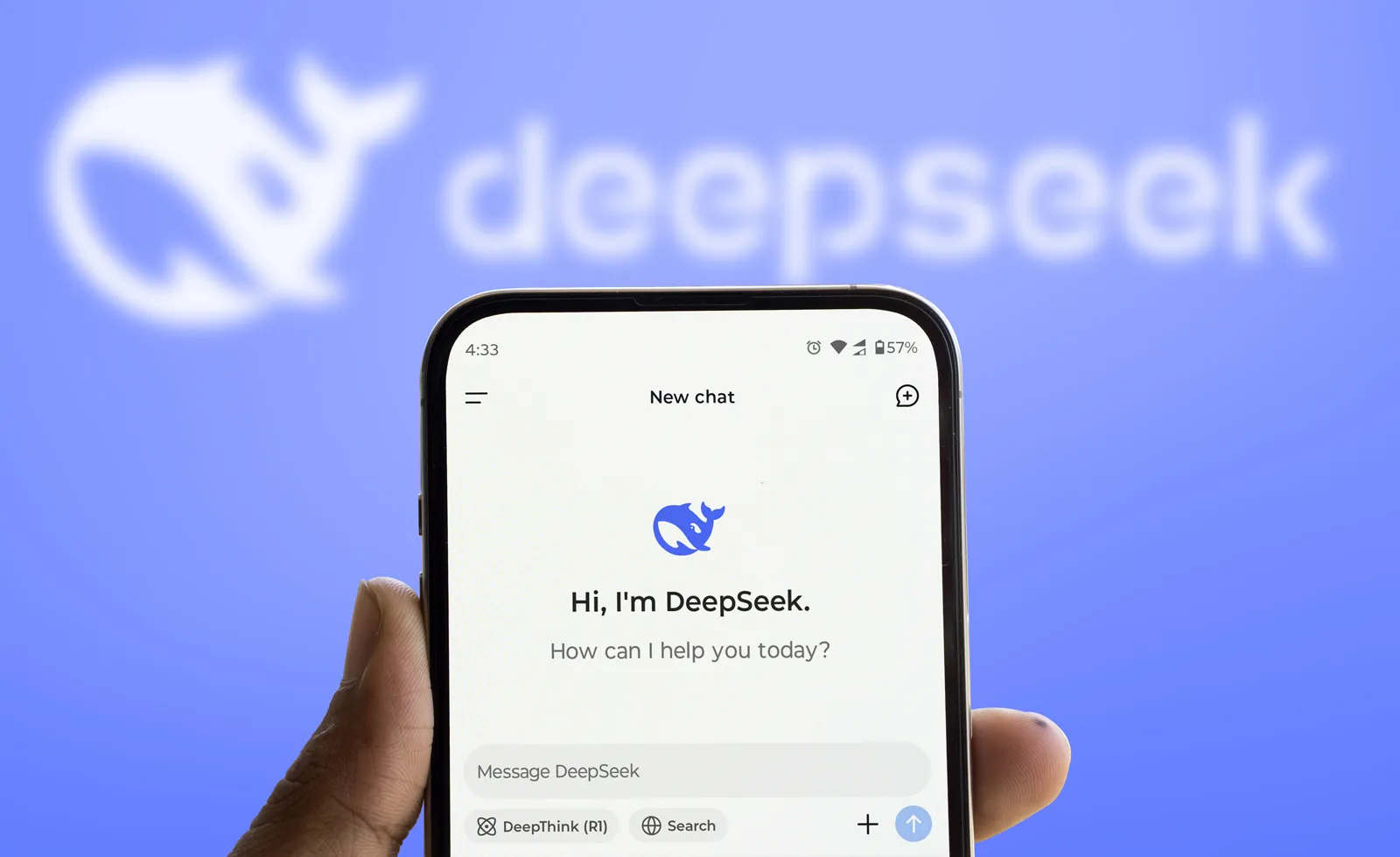
DeepSeek has officially launched preview versions of its latest AI model, V4, intensifying the global artificial intelligence race between China and the United States. The new release comes with major upgrades in reasoning and agentic capabilities, but what has drawn the most attention is its shift away from U.S. hardware, using chips from Huawei instead of Nvidia, signaling a growing push toward technological self-reliance in China’s AI ecosystem.
DeepSeek V4 brings stronger reasoning and agentic AI abilities
DeepSeek claims that its V4 models deliver significant improvements in reasoning, knowledge handling, and autonomous task execution, often referred to as “agentic” capabilities. The model is designed to perform complex workflows with minimal human input and is being positioned as a direct competitor to leading global AI systems like OpenAI’s ChatGPT, Google Gemini, and Anthropic Claude. The company also introduced “pro” and “flash” variants, optimized for different performance and efficiency needs.
Shift from Nvidia to Huawei chips marks strategic change
A major highlight of the release is DeepSeek’s transition to computing infrastructure powered by Huawei chips, replacing reliance on Nvidia hardware commonly used in U.S.-based AI systems. This move reflects increasing technological decoupling between China and the United States amid ongoing restrictions and competition in semiconductor access. Analysts suggest this shift could reshape how large-scale AI models are trained and deployed within China’s domestic ecosystem.
Intensifying AI competition and global industry tensions
DeepSeek has stated that its V4 models perform competitively against leading U.S. systems in several benchmark tests, particularly in reasoning and agent-based tasks. However, industry experts note that independent evaluations are still needed to confirm these claims. The launch also arrives amid rising allegations from U.S.-based AI firms regarding model distillation and intellectual property concerns, further escalating tensions in the global AI race.
Growing divide in global AI ecosystem
The release of V4 highlights the widening divide between Chinese and U.S. AI development strategies, with China focusing on open-source accessibility and domestic hardware ecosystems, while U.S. companies continue to lead in high-end model development and compute infrastructure. Experts say this competition is now extending beyond software into chips, data infrastructure, and regulatory influence, making AI one of the most critical geopolitical technology battlegrounds.