






OpenAI treats healthcare with new ChatGPT for clinicians
OpenAI has introduced a specialized version of ChatGPT designed for healthcare professionals, aiming to support clinicians with documentation, medical research, and clinical decision support tasks....

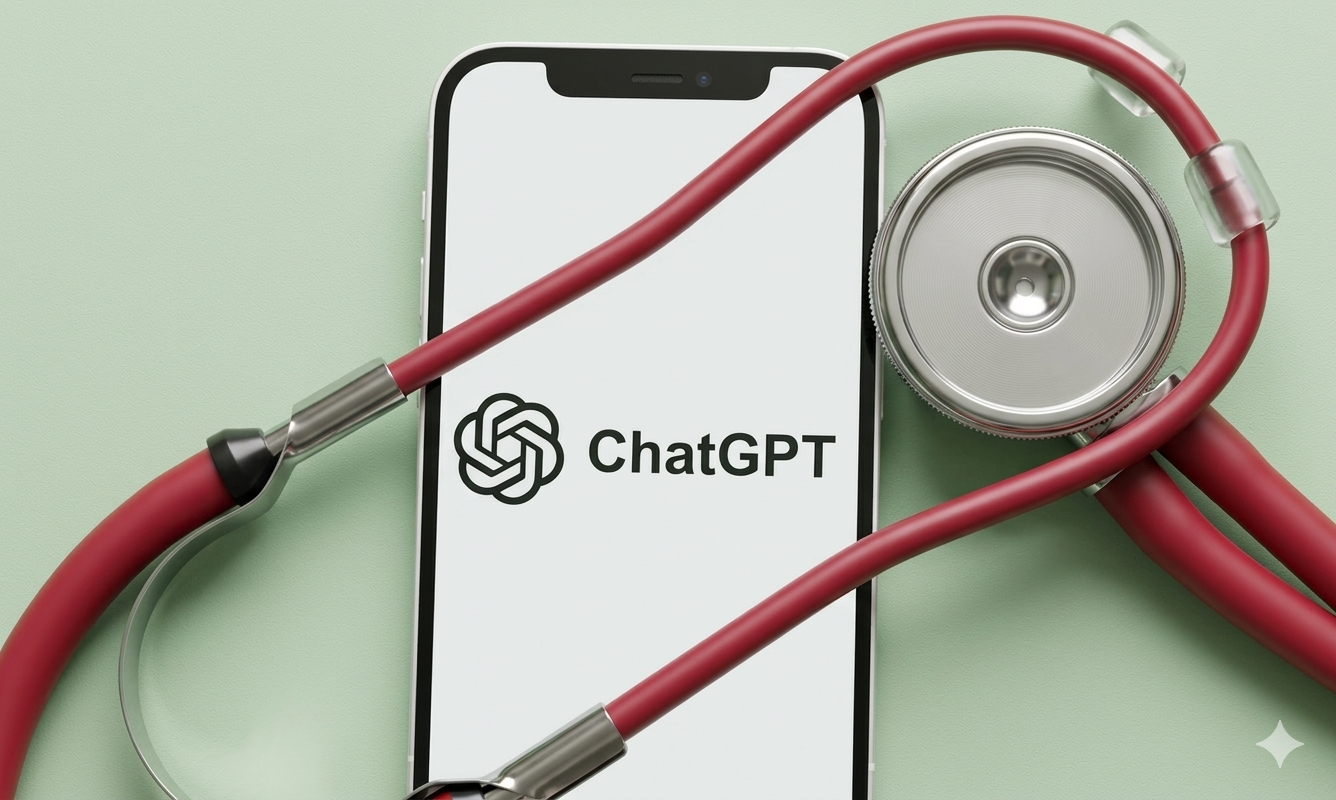
OpenAI has introduced a specialized version of ChatGPT designed for healthcare professionals, aiming to support clinicians with documentation, medical research, and clinical decision support tasks. The new tool, called ChatGPT for Clinicians, is being rolled out first in the United States and will expand to other countries later, with free access provided to verified physicians, nurses, physician assistants, and pharmacists.
AI tool built for clinical workflows
The clinician-focused version of ChatGPT is designed to reduce administrative workload in healthcare settings. It can help generate referral letters, patient instructions, and prior authorization documents, while also turning common clinical workflows into reusable templates. It also includes a clinical search system that provides real-time, cited answers, allowing medical professionals to quickly access relevant information during decision-making.
Research, documentation and security features
OpenAI has also added deep research capabilities that allow clinicians to explore medical journals and studies more efficiently. The system can support continuing medical education by helping professionals research clinical questions while earning credits. In addition, the platform includes enterprise-grade security features, with optional HIPAA compliance support available through a Business Associate Agreement to ensure patient data protection.
Healthcare evaluation and AI benchmarking
Alongside the launch, OpenAI has introduced HealthBench Professional, an open benchmark designed to evaluate AI performance in real clinical scenarios such as care consultations, medical writing, documentation, and research tasks. This builds on earlier frameworks like HealthBench, which was created to measure AI capabilities in healthcare-related conversations and ensure safer, more reliable outputs in medical environments.
OpenAI also published a healthcare blueprint focused on responsible AI adoption in clinical systems, highlighting how AI tools can help reduce administrative burden, improve workflow efficiency, and allow healthcare workers to spend more time on patient care rather than paperwork.