



Coal Gasification Mission Opens New Growth Opportunities for South Gujarat and Kutch
SURAT : The ₹ 37,500 crore ‘Coal Gasification’ scheme approved by the Central Government is not just an economic boost, but it is a scientific and technological revolution that will change the...

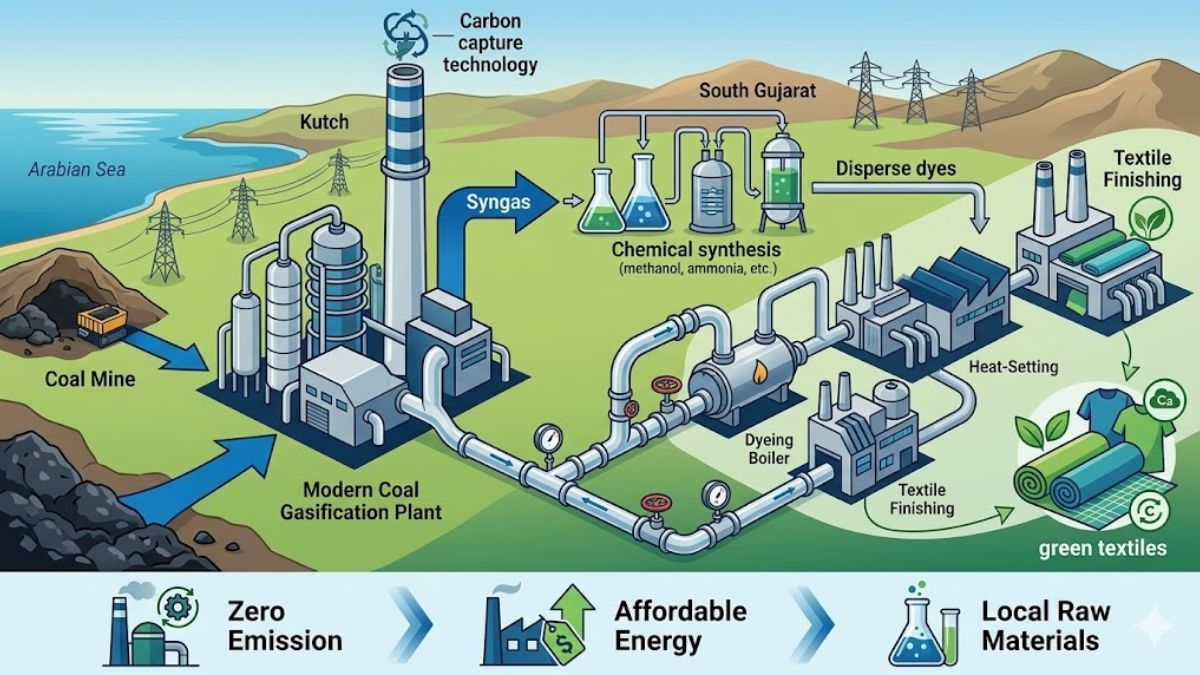
SURAT : The ₹ 37,500 crore ‘Coal Gasification’ scheme approved by the Central Government is not just an economic boost, but it is a scientific and technological revolution that will change the industrial and energy infrastructure of the country. Under this national mission, instead of burning coal in the traditional way and causing pollution, it is aimed to convert it into ‘Synthetic Gas’ (Syngas) through state-of-the-art technology. Since Gujarat has rich lignite coal reserves in Mangrol in South Gujarat and Kutch in South Gujarat, these two regions can become the main hub of this technological strategy. This project will provide a strong technological backstop, especially for the textile, dyeing and processing industries of South Gujarat.
Direct technical benefits to dyeing and processing industries
South Gujarat (especially Surat and Sachin-Pandesara area) is the largest man-made textile hub of the country. Dyeing and processing plants here are highly dependent on energy and chemicals. Coal gasification technology will provide the following direct technical benefits to these industries:
- Stable and affordable thermal energy source: Heat-setting and dyeing of textiles in the processing industry requires continuous high-pressure steam. Pollution and carbon emissions from direct combustion of conventional coal in boilers are a major challenge. The pure ‘syngas’ obtained from gasification will provide highly efficient, controlled and clean fuel for boilers and stinter machines, thereby increasing thermal efficiency.
- Local availability of raw materials for textile chemicals and dyes: Ammonia, methanol and valuable petrochemical intermediates are obtained as by-products during the coal gasification process. These chemicals are the basic ingredients for the production of disperse dyes, auxiliaries and fixing agents used in textile processing. The synthesis of these chemicals locally from Mangrol lignite will significantly reduce the input cost of the dyeing industry.
- Green textiles and global compliance: Global brands are now demanding fabrics with ‘zero discharge’ and ‘low carbon footprint’. As per the suggestion of NITI Aayog, if these gasification plants are coupled with ‘Carbon Capture’ technology, the energy generated from them will be considered as ‘green energy’. This will enable Surat’s textiles to easily meet global environmental standards.
Historic savings in production capacity and FOREX bill
- Scalability of production capacity: The Government of India has resolved to set up 100 million tonnes of coal gasification capacity in the country by 2030. Due to the geographical location of the lignite deposits of Mangrol and Kutch, high-capacity coal-to-chemical plants can be commissioned very quickly in these areas.
- Foreign exchange savings: Our chemical and textile industry currently sends billions of dollars abroad for the import of methanol and crude-based fuels. This strategic use of local coal reserves from Mangrol and Kutch (Import Substitution) will drastically reduce the country’s FOREX import bill and make the Indian economy more self-reliant.
Expected support from the Central and State Governments
Since this is a highly capital-intensive and state-of-the-art technology-based sector, special encouragement is required from the government level:
- Technology support from the Central Government: Along with the 20% financial assistance provided by the Central Government on plant and machinery, pilot projects should be funded through research institutes like ATIRA and MANTRA, which are pioneers in research and development in the textile industry, for transfer of best gasification technology from the international level.
- Policy support from the Government of Gujarat: The State Government should set up a special ‘Coal-Chemical Industrial Cluster’ in Mangrol and Kutch. Since this technology requires a lot of water, it is imperative that the Government ensures uninterrupted supply lines of treated waste-water or recycled water.
Multidimensional benefits to industries and society
From a technical point of view, this project will increase the global competitiveness of the industries many times. On the other hand, at the social level, an estimated 50,000 new employment opportunities are expected to be created in this sector. High-technical skilled jobs will be created for the local youth of Mangrol, Bharuch and Kutch, which will raise the regional economic level.
From a research and technical perspective, this ₹37,500 crore mission, if taken to the ground with proper scientific planning, will change the entire industrial scenario of South Gujarat and Kutch. During the implementation of this new technology, ‘Mantra’s’ energy audit services to increase the thermal and electrical efficiency of industries as well as our environmental audit services for managing environmental standards and carbon credits will prove to be extremely crucial.
The coal gasification process and the ‘syngas’ obtained from it are directly linked to the efficiency of the dyeing boilers. Mantra’s energy audit will show industries how to prevent energy waste and reduce production costs with this new fuel. ‘Carbon capture technology’ and global environmental standards have been mentioned earlier in relation to environmental audit. Mantra’s environmental audit will directly help processing houses in controlling their emissions and getting ‘green certification’.
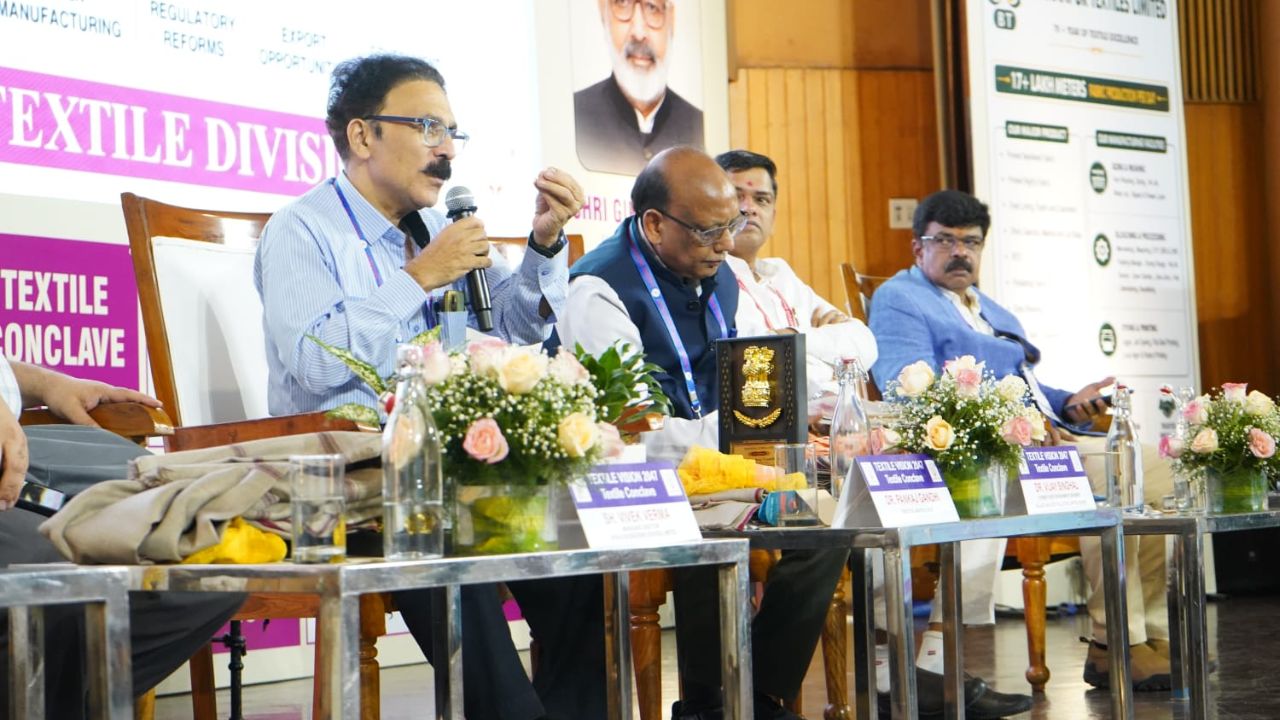
(This article is written by Dr. Pankaj Gandhi, director, MANTRA, an institution recognized by Ministry of Textiles, Government of India)