


AIMIM chief Owaisi Targets Gujarat Over Surat Fish Market Naming Row
SURAT: A naming controversy over a newly built fish market in Surat has now spilled into national political discourse, with AIMIM chief and Hyderabad Lok Sabha MP Asaduddin Owaisi taking a sharp...

SURAT: A naming controversy over a newly built fish market in Surat has now spilled into national political discourse, with AIMIM chief and Hyderabad Lok Sabha MP Asaduddin Owaisi taking a sharp swipe at the Gujarat and Central governments.
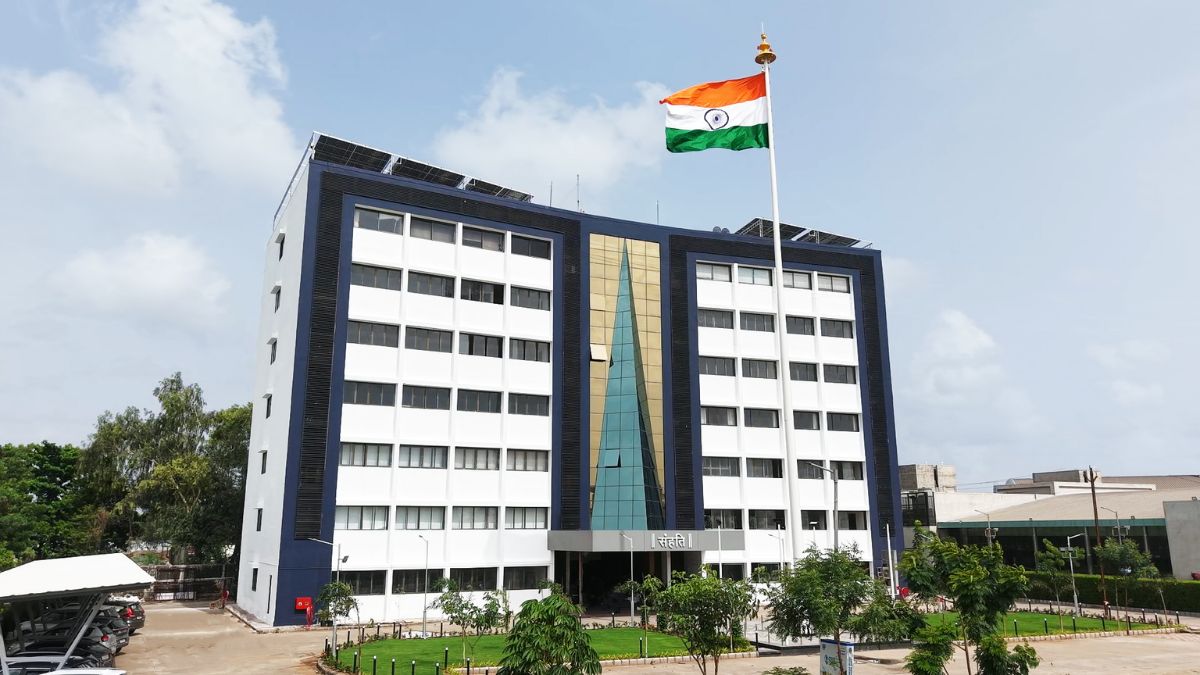
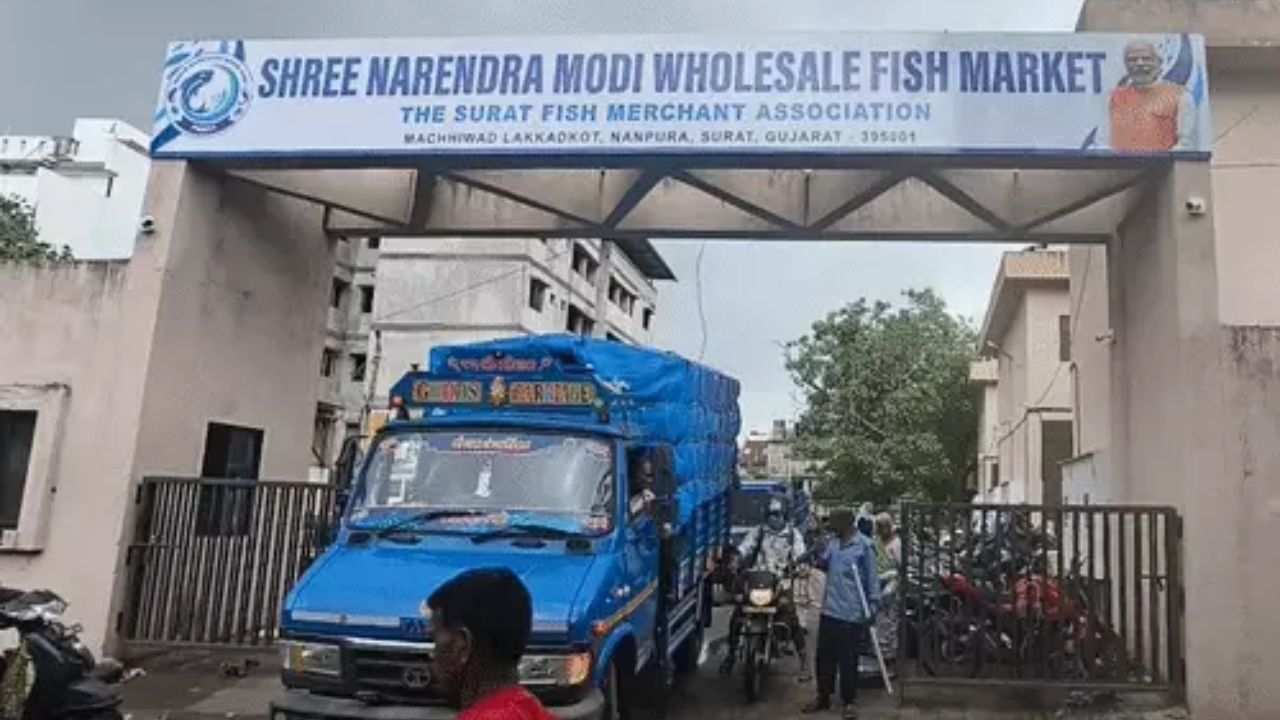
The Surat Municipal Corporation-built market at Nanpura-Lakkadkot, constructed at a reported cost of ₹3.90 crore, was named ‘Shri Narendra Modi Wholesale Fish Market’ on August 24. The name was reportedly displayed without a formal resolution. A day later, the signboard was covered with a white sheet in the presence of civic employees, triggering further debate.
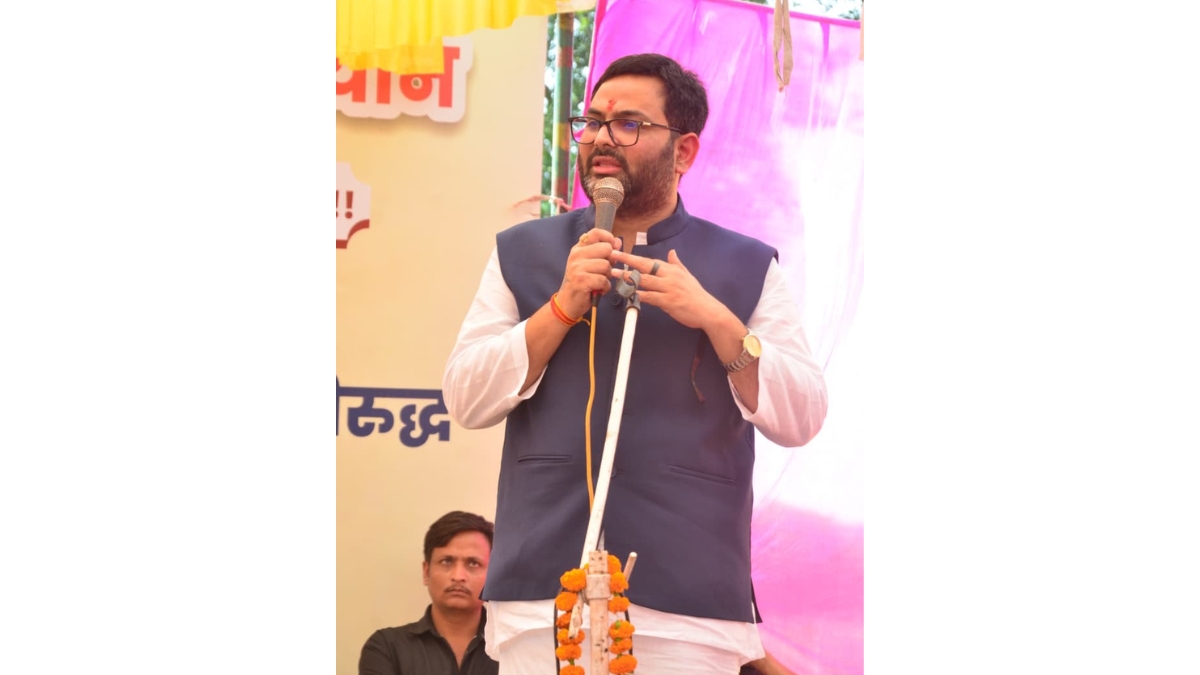
Addressing a gathering in Hyderabad, Owaisi mocked the episode, saying, “They came to catch us by putting a bait and they themselves got caught.” He questioned the decision to associate Prime Minister Narendra Modi’s name with a fish market.
Owaisi also linked the controversy to wider debates over food choices. “I eat fish, I eat meat. If someone eats pork, what is the problem? You don’t eat it, why shouldn’t I eat it?” he said.
The AIMIM chief also questioned India’s meat export policy, arguing that restrictions on meat consumption should be considered alongside the country’s export practices.
The fish market project itself has a long history. Initially proposed in 2018, construction was halted in 2020 following objections from the National Monument Authority. Work resumed after a revised clearance was obtained, with the facility eventually developed with infrastructure including cold storage.
The controversy has now placed both the market’s naming process and the civic administration under scrutiny.
Owaisi also raised the issue of liquor sales during Ramadan, asking the government to consider closing liquor shops during the holy month.
The episode has added a political dimension to what began as a civic infrastructure project, with questions now being raised over the procedure followed in naming the market and the reasons behind subsequently covering the signboard.