


Viksit Gujarat Industrial Policy 2026 Poised to Accelerate South Gujarat’s Rise as a Global Industrial Hub
Surat : South Gujarat, already regarded as the economic powerhouse of Gujarat, is set for a new phase of growth following the rollout of the Viksit Gujarat Industrial Policy 2026. Industry experts...

Surat : South Gujarat, already regarded as the economic powerhouse of Gujarat, is set for a new phase of growth following the rollout of the Viksit Gujarat Industrial Policy 2026. Industry experts believe the policy could significantly strengthen the region’s position as a global manufacturing, trade and innovation destination by leveraging strategic infrastructure projects, industrial incentives and sustainability-focused initiatives.
The policy comes at a time when South Gujarat is witnessing unprecedented investments in connectivity, industrial corridors and urban development. Analysts say the combined impact of the Surat Economic Region (SER) Master Plan, the Mumbai-Ahmedabad Bullet Train, the Dedicated Freight Corridor (DFC) and major industrial projects could redefine the region’s economic landscape over the next decade.
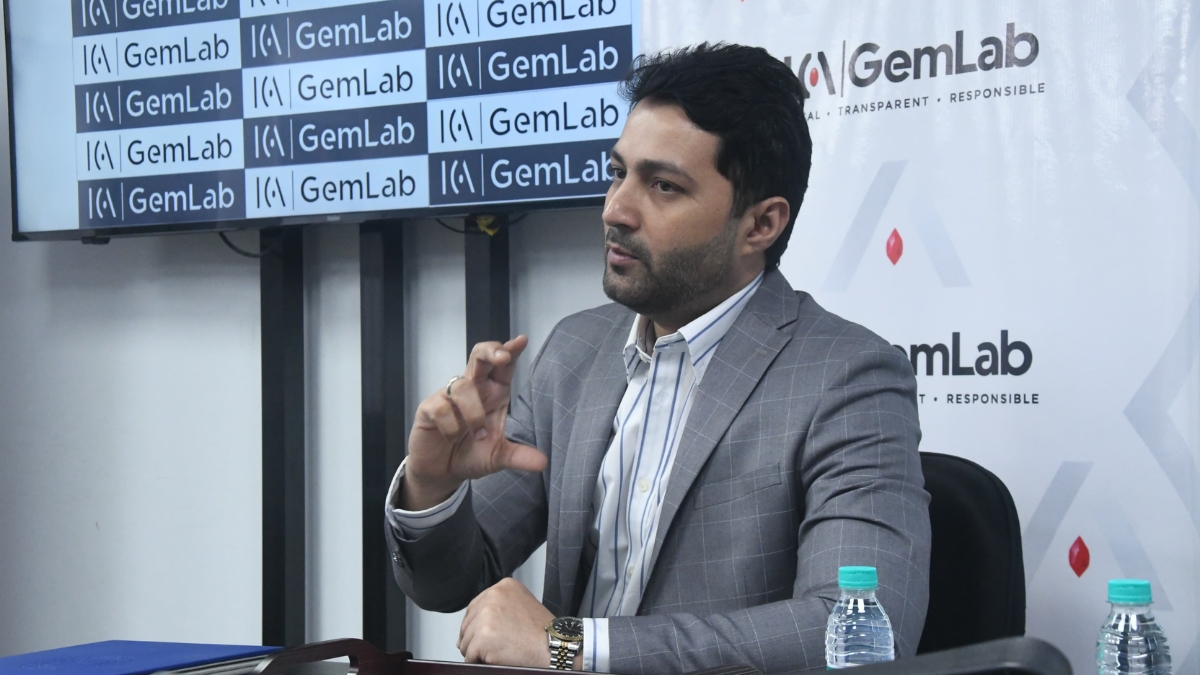
“The new industrial policy is not merely about expanding factories. It is about creating an ecosystem where industries can grow sustainably while improving the quality of life and employment opportunities,” said Dr. Pankaj Gandhi, director of MANTRA, government of India, Ministry of Textiles.
A key pillar of the policy is the Surat Economic Region (SER), which draws upon the economic master plan prepared by NITI Aayog. Under the plan, Surat is expected to emerge as a dual-engine growth centre through the development of DREAM City as a global Business-to-Consumer (B2C) hub and the High-Speed Rail (HSR) corridor zone as a major Business-to-Business (B2B) ecosystem. Experts believe these projects will attract global investments in finance, diamonds, technology and services.
The policy is also expected to deliver significant gains for South Gujarat’s chemical and petrochemical industries. Dahej PCPIR, India’s first Petroleum, Chemicals and Petrochemicals Investment Region, stands to benefit from improved logistics through the Vedach-Mumbai Expressway, Dedicated Freight Corridor and Bullet Train network.
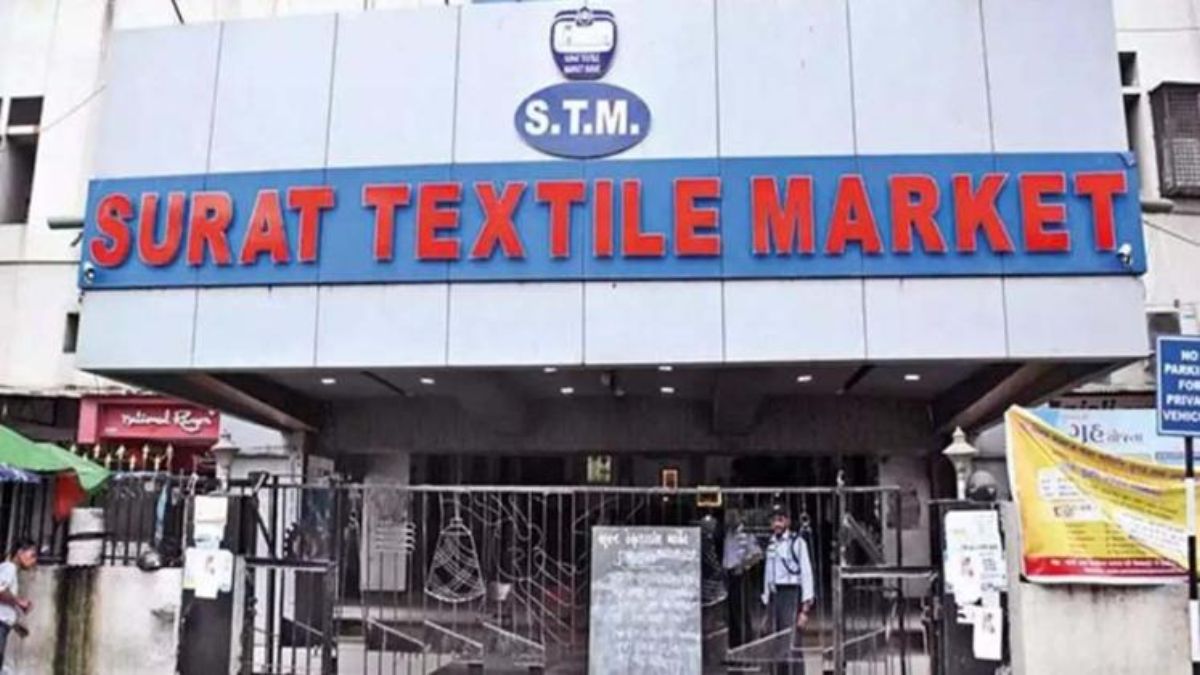
For Surat’s textile industry, the policy offers a major opportunity. Textiles, technical textiles and garments have been identified as priority sectors, making them eligible for enhanced incentives, including capital subsidies, interest support and power tariff concessions. Industry leaders believe these measures could help local manufacturers move up the value chain and strengthen exports.
Environmental sustainability forms another cornerstone of the policy. Through Project T.H.R.I.V.E., industries relocating from congested urban areas to planned industrial estates will receive regulatory and financial support. Additionally, generous assistance for wastewater recycling, Common Effluent Treatment Plants (CETPs) and Zero Liquid Discharge (ZLD) systems is expected to help industries meet global environmental standards.
The policy also addresses one of the region’s biggest concerns—water security. Experts believe the upcoming Bhadbhut Barrage Project on the Narmada River will ensure a reliable freshwater supply for industrial clusters while preventing saline ingress from the Arabian Sea.
“South Gujarat has all the ingredients required for global leadership—industrial strength, entrepreneurial culture, infrastructure and policy support,” Gandhi said. “With the right implementation, the region can emerge as one of Asia’s leading high-tech manufacturing and service hubs.”
Industry stakeholders say the policy’s emphasis on MSMEs, startups, women entrepreneurs and green industrial growth could make South Gujarat the biggest beneficiary of Gujarat’s next industrial transformation.