






Gujarat’s Museums Emerge as Digital Heritage Hubs, Attract Over 16 Lakh Visitors
Gandhinagar | Gujarat — Gujarat’s museums are no longer silent halls filled with relics and display cases. They have transformed into immersive centres of learning, culture and technology, attracting...

Gandhinagar | Gujarat — Gujarat’s museums are no longer silent halls filled with relics and display cases. They have transformed into immersive centres of learning, culture and technology, attracting more than 16 lakh visitors over the past two years and redefining how people engage with history.
According to Dr. Pankaj Sharma, Director of Archaeology and Museums, the integration of digital technologies has revolutionised the museum experience across the state. “Museums have evolved from being places that display artefacts to becoming vibrant centres of knowledge and culture,” he said.
The transformation reflects Gujarat’s broader vision of preserving heritage while embracing innovation. Over the last decade, the state has developed several landmark museums that combine storytelling, technology and cultural preservation to create engaging experiences for visitors of all ages.
Among the most prominent is the Smritivan Earthquake Memorial and Museum in Bhuj, which commemorates the victims of the devastating 2001 earthquake. Equipped with earthquake simulators, digital exhibits and immersive theatre experiences, the museum showcases both the tragedy and Gujarat’s remarkable recovery.
Dandi Kutir in Gandhinagar offers another example of technology-driven storytelling. Built in the shape of a giant salt mound, the museum uses multimedia presentations, animation, sound and light effects to bring Mahatma Gandhi’s life and the Salt Satyagraha movement to life.
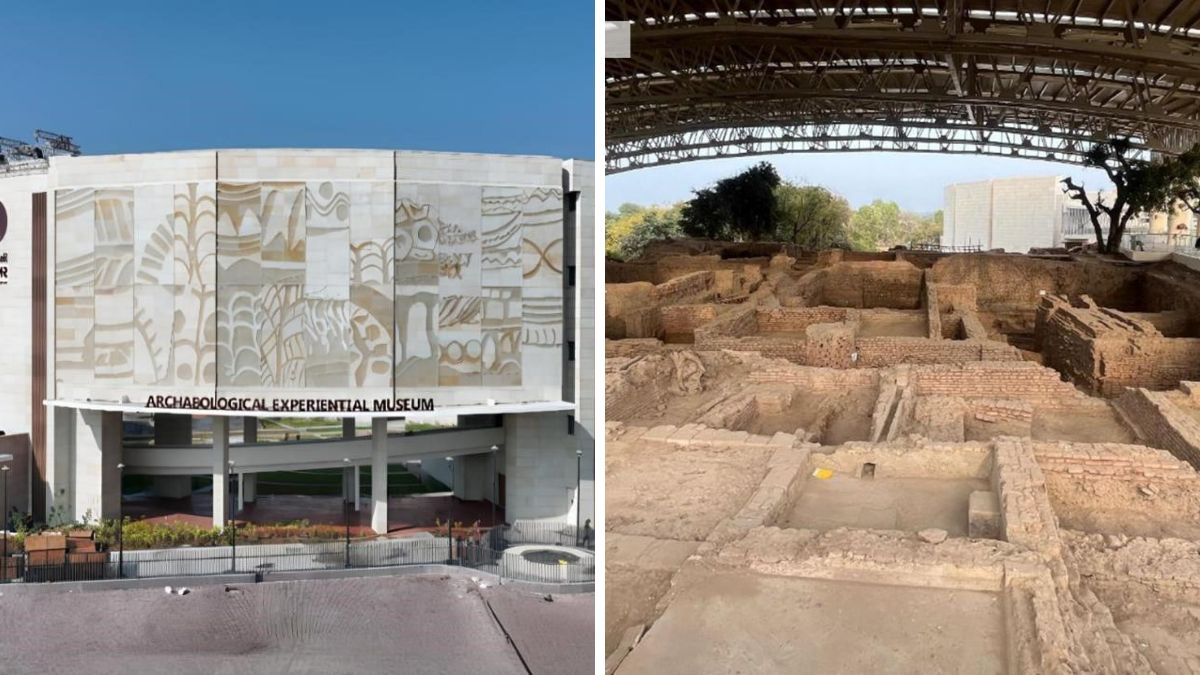
The recently developed Vadnagar Archaeological Experiential Museum has further elevated Gujarat’s cultural offerings. Using AR, VR, 3D displays and excavation-site recreations, it enables visitors to explore over 2,500 years of history through interactive experiences.
“Museums today are global centres of interactive learning rather than mere repositories of artefacts,” officials said, highlighting the shift toward experiential education.
Gujarat is also developing the ambitious National Maritime Heritage Complex at Lothal, envisioned as the world’s largest maritime museum. The project aims to recreate the maritime legacy of the Indus Valley Civilization through immersive galleries, virtual exhibits and interactive trade-route experiences.
The state’s commitment to preserving history is also reflected in the museum at the Statue of Unity, which chronicles the life of Sardar Vallabhbhai Patel and India’s political integration.
With cutting-edge technology, immersive storytelling and growing visitor interest, Gujarat’s museums are emerging as powerful cultural destinations that not only preserve the past but also inspire future generations to connect with their heritage.