





Ahmedabad Residents Demand Accountability as Water Stagnates for Two Days
AHMEDABAD: The rain has stopped, but the crisis has not. Two days after torrential showers lashed Ahmedabad, floodwater continues to choke the roads and homes of Bopal-Ghuma, leaving residents...

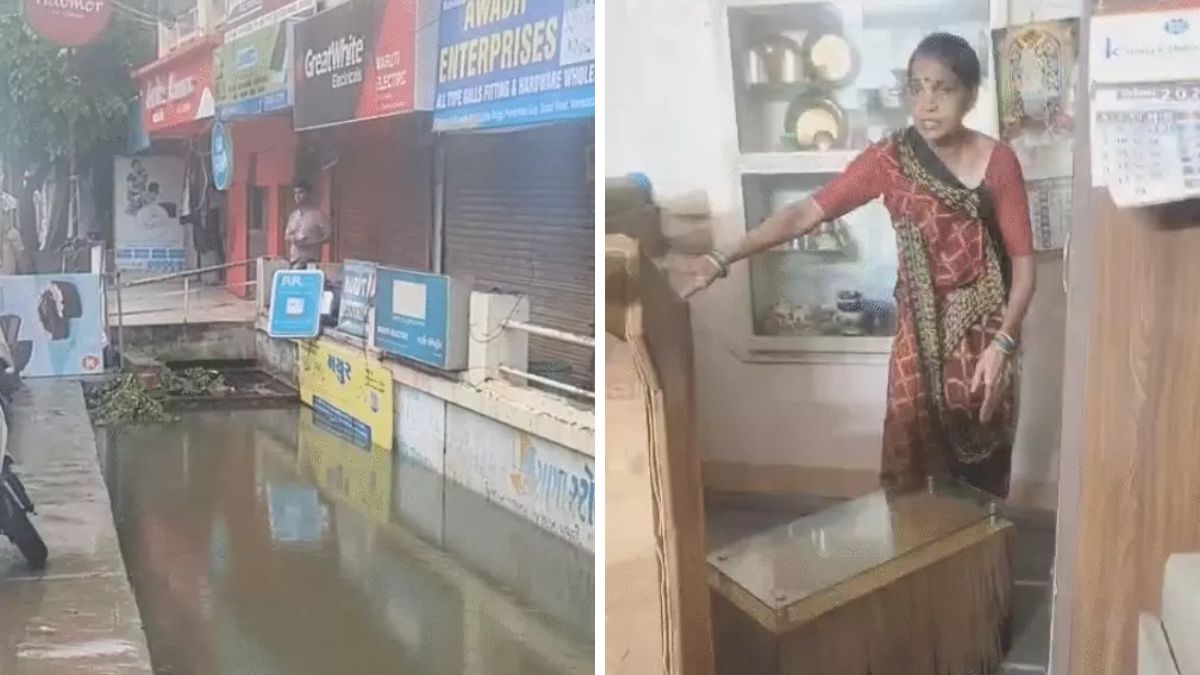
AHMEDABAD: The rain has stopped, but the crisis has not. Two days after torrential showers lashed Ahmedabad, floodwater continues to choke the roads and homes of Bopal-Ghuma, leaving residents stranded, angry, and questioning where their tax money has gone. As civic officials remained largely absent, many residents broke down in tears while narrating their ordeal to journalists who visited the flooded neighbourhoods.
Despite being part of the Ahmedabad Municipal Corporation (AMC), the posh Bopal-Ghuma area remains submerged. Knee-deep water continues to block roads, while hundreds of homes have suffered damage to furniture, electrical appliances, important documents, and household belongings.
“If we fail to pay taxes, the corporation collects them with interest. But when we need basic services, nobody comes,” said local resident Rakesh Oja.
Residents of Hariom Villa said floodwater entered their homes on Thursday. Although some water has receded from inside the houses, the surrounding roads remain submerged because no pumping machinery or drainage system has been deployed.
Chief Minister Bhupendra Patel, Minister Hrishikesh Patel, and civic officials visited the area earlier and assured residents that water would be drained quickly. However, locals say little has changed despite the rain easing.
The situation is equally grim in Thakorwas, Paramarwas, and Wankarwas in Jodhpur Ward No. 20. Several homes remain waist-deep in water. Families have lost household goods, food supplies, and important documents. With roads still flooded, local volunteers are using boats to deliver milk, drinking water, food, and medicines while shifting elderly people, women, and children to safer locations.
Residents blame unchecked urban development for blocking natural water channels and filling traditional ponds that once stored rainwater.
“If the pond had not been filled, the water would have drained naturally. Every year the problem grows worse,” said another resident, Rakeshbhai.
Many residents recalled that such flooding was rare when the area was under the Gram Panchayat. They claim the situation has deteriorated since the locality was merged into the municipal corporation.
The flooding has also crippled commercial activity. Basements of shopping complexes remain inundated, preventing businesses from reopening. Many office-goers have been unable to report to work as vehicles cannot pass through flooded streets.
Residents are now demanding property tax relief, similar to the relief announced for flood-affected citizens in Surat. They argue that taxpayers deserve functioning drainage infrastructure and accountability for repeated civic failures.
The continuing waterlogging has also raised serious questions over AMC’s pre-monsoon preparedness. Residents say the city no longer needs temporary assurances after every flood. Instead, they want officials to fix the drainage system, restore natural water channels, and ensure that the same crisis does not return with every monsoon.