







Chair Screw Gets Publicity, But What About Surat Airport’s Bigger Problems?
SURAT : If fixing a single chair screw is significant enough to warrant an official social-media photograph featuring a group of airport officials, passengers may reasonably ask a more important...

SURAT : If fixing a single chair screw is significant enough to warrant an official social-media photograph featuring a group of airport officials, passengers may reasonably ask a more important question: where is the same urgency for Surat Airport’s bigger and persistent operational issues?
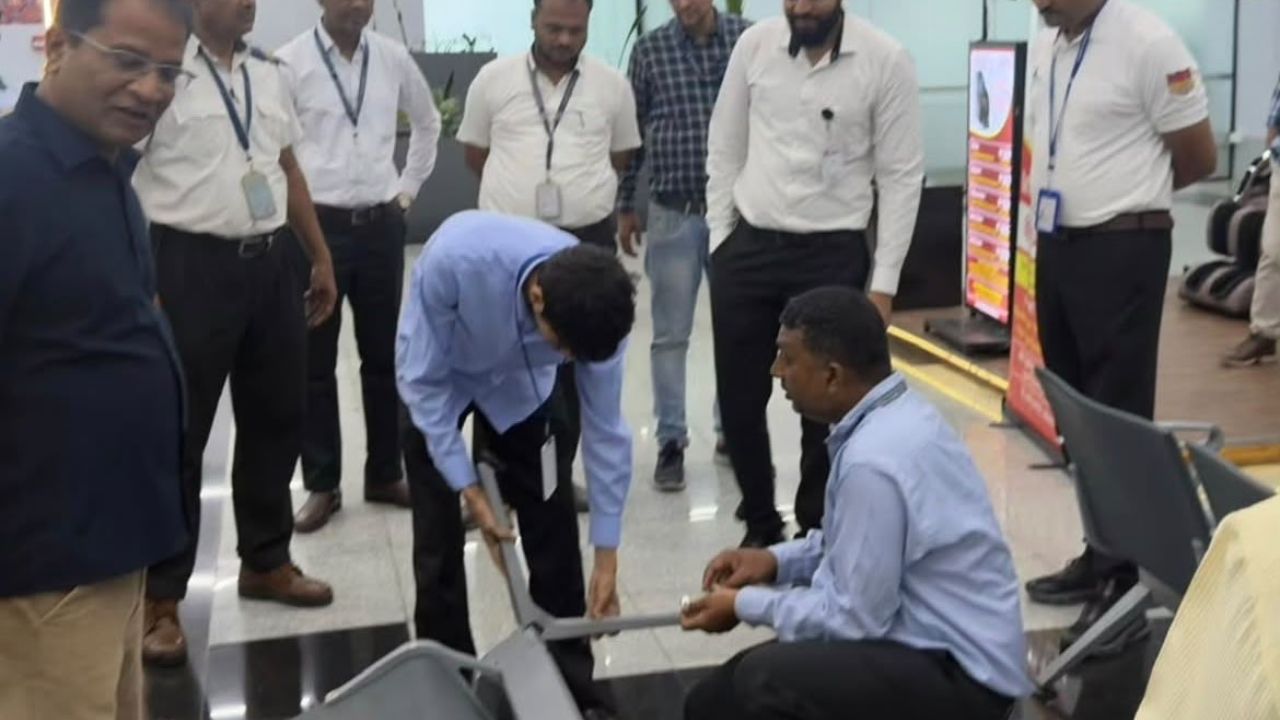
Surat International Airport’s official Instagram post during the ongoing Yatri Seva Abhiyan has drawn attention after showing officials and employees gathered around a chair while a screw was being repaired. While maintaining passenger facilities is essential, presenting such a routine task as a campaign highlight raises questions about whether the airport’s publicity efforts are keeping pace with its core operational responsibilities.
The issue is not the repair itself. A loose screw, damaged seat or defective fixture should be promptly fixed. The concern is why elementary maintenance appears worthy of special publicity and whether similar defects are being systematically identified and addressed throughout the year.
An airport handling thousands of passengers requires continuous inspections, preventive maintenance, complaint tracking and clearly assigned accountability. If a special campaign has resulted in the identification of numerous basic defects, the administration should clarify how long those issues remained unattended and why they were not detected through routine inspections.
Passenger service cannot be reduced to a week-long campaign.
For Surat, a major commercial and industrial city with growing aviation ambitions, the airport is critical infrastructure. Attention should therefore extend beyond photographs to issues that directly affect operations and passenger experience.
Among the concerns requiring sustained attention are compliance with applicable aviation safety and security requirements, drainage and reported waterlogging affecting the parallel taxi track during heavy rainfall, passenger amenities such as a properly designated prayer room, and consistent terminal landscaping and upkeep.
The administration should also provide greater transparency on its maintenance system. Does the airport maintain daily inspection and preventive-maintenance registers? Who records defects, assigns repairs and certifies completion? What is the prescribed response time for minor passenger-facility complaints? How many complaints were pending before the Yatri Seva Abhiyan and how many have been permanently resolved?
These are basic accountability questions, not unreasonable demands.
Social media can certainly showcase meaningful improvements, but photographs cannot substitute for measurable performance. The success of a passenger-service campaign should ultimately be assessed through defects eliminated, complaints resolved, facilities maintained and operational problems addressed—not the number of officials appearing in photographs.
The chair screw may have been fixed. The bigger question is whether Surat Airport’s larger passenger-service and infrastructure challenges are receiving the same urgency.
The issues raised are matters of public accountability. They do not establish any statutory violation or individual misconduct.