






Cotton Import Duty Relief to Boost Gujarat Industry, But Farmers Face Price Pressure: Expert Analysis
Surat | Gujarat — The Union government’s temporary decision to exempt customs duty on cotton imports until October is being viewed as a crucial intervention for Gujarat’s textile sector,...

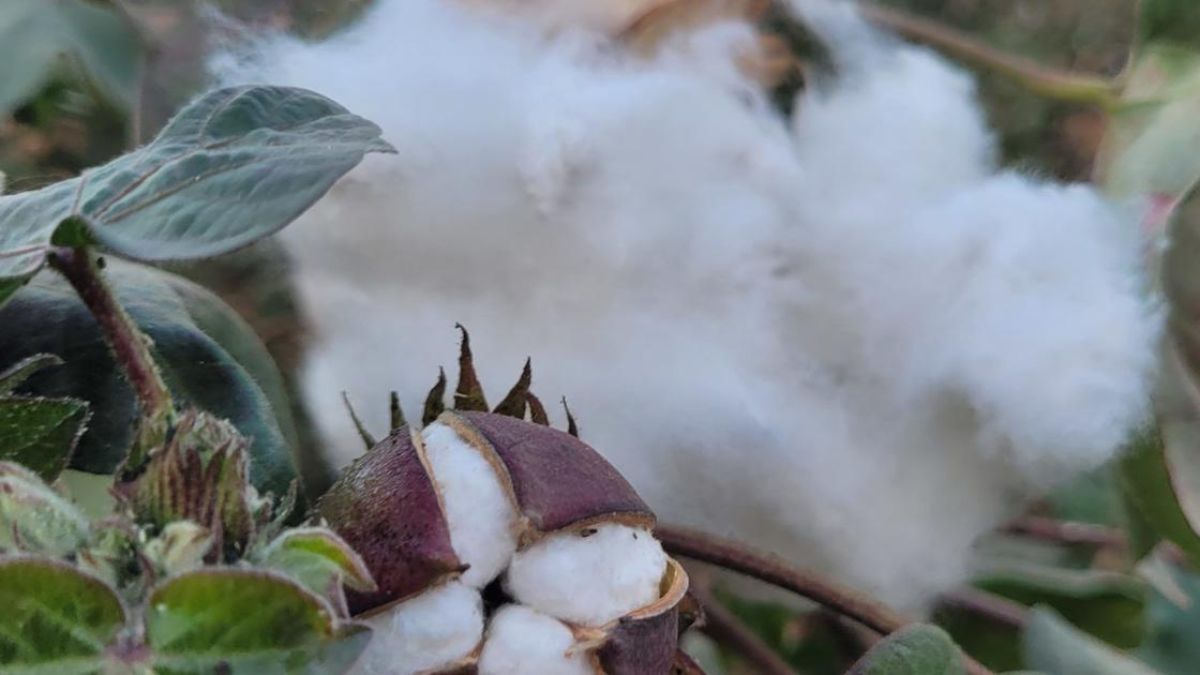
Surat | Gujarat — The Union government’s temporary decision to exempt customs duty on cotton imports until October is being viewed as a crucial intervention for Gujarat’s textile sector, offering much-needed relief from rising raw material costs and supply shortages. However, experts caution that while the move may strengthen industries and exports in the short term, it could simultaneously create challenges for cotton growers already grappling with market uncertainties.
According to Dr. Pankaj Gandhi, Senior Researcher at the Surat-based SVNIT, the policy is likely to have far-reaching consequences for Gujarat’s economy, particularly because the state remains India’s textile powerhouse and one of the country’s largest cotton-producing regions.
“The cotton off-season between June and October often creates pressure on industries due to limited availability of domestic cotton. By removing customs duty, the government has ensured that mills can access cotton at competitive rates and continue operations without disruption,” Dr. Gandhi said.
Gujarat’s textile and garment sectors are expected to be among the biggest beneficiaries of the decision. Lower import costs will reduce the input expenses involved in producing yarn, fabric and finished garments. This is particularly significant for small and medium-sized enterprises (MSMEs), many of which have been struggling under inflationary pressures and fluctuating raw material prices.
The move is also expected to enhance the competitiveness of Gujarat’s exporters in international markets.
“Global textile markets are highly price-sensitive. Easier access to imported cotton, especially extra-long staple varieties, will help Indian manufacturers produce premium-quality fabrics and compete more effectively with countries such as China, Bangladesh and Vietnam,” Dr. Gandhi noted.
While industries are likely to gain, concerns remain over the impact on farmers, especially in cotton-growing belts of Saurashtra and North Gujarat. Increased imports could put downward pressure on domestic cotton prices, affecting growers who are still holding stocks from previous harvests.
“Farmers may find it difficult to secure profitable prices if cheaper imported cotton enters the market in large quantities. Local traders could become reluctant to purchase domestic cotton at higher rates, directly affecting farm incomes,” he explained.
However, Dr. Gandhi believes the limited duration of the exemption provides an important safeguard. Since the duty relief remains in force only until October, the arrival of the new cotton crop is expected to stabilize the market and prevent long-term damage to farmers’ interests.
Calling the government’s move a “balanced and pragmatic decision,” he argued that failure to address cotton shortages could have pushed several spinning mills toward closure, risking large-scale job losses across Gujarat’s textile value chain.
Looking ahead, Dr. Gandhi emphasized that import duty exemptions cannot serve as a permanent solution. He advocated increasing cotton productivity through modern farming technologies, improved seed varieties and stronger institutional support. He also recommended creating strategic buffer stocks through the Cotton Corporation of India (CCI), ensuring strict procurement at Minimum Support Price (MSP), and reducing cultivation costs through subsidies on irrigation and fertilizers.
“The long-term objective should be to strengthen both farmers and industries. Gujarat’s economic future depends on policies that protect agricultural incomes while ensuring global competitiveness for its manufacturing sector,” Dr. Gandhi concluded.