





Surat : POY-FDY Yarn Prices Under Fire Despite Fall in Crude Oil
SURAT : A fresh confrontation has erupted in Surat’s textile industry as weavers accused leading polyester yarn manufacturers of keeping POY and FDY yarn prices artificially high despite a...

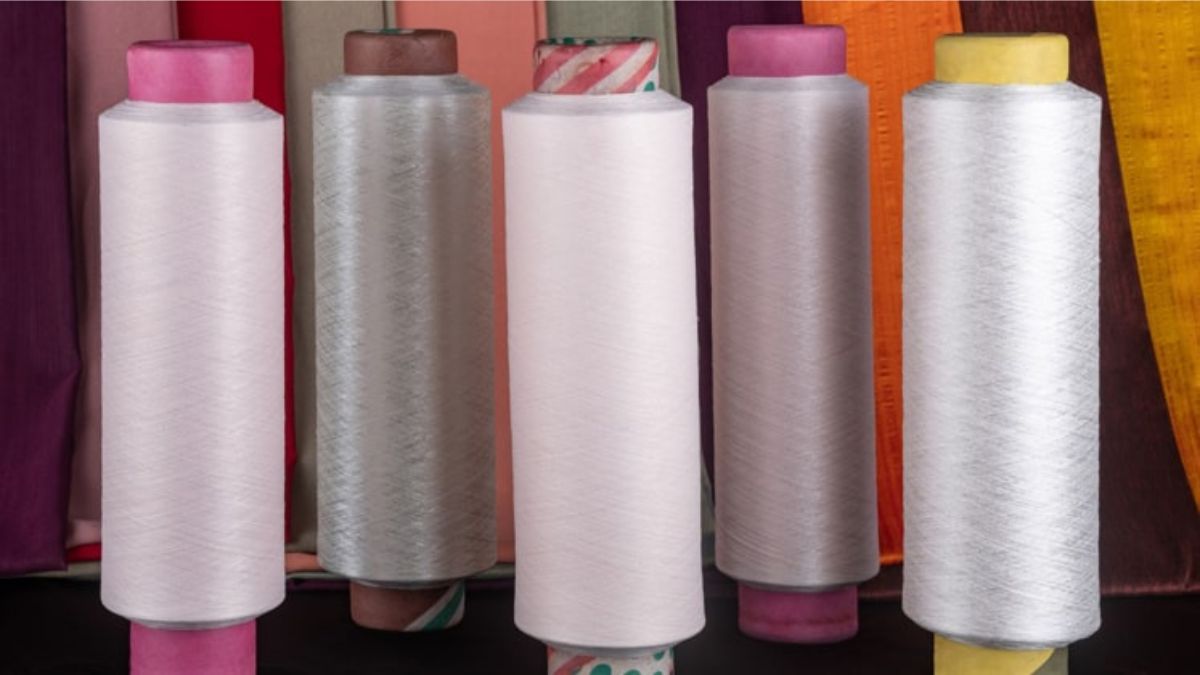
SURAT : A fresh confrontation has erupted in Surat’s textile industry as weavers accused leading polyester yarn manufacturers of keeping POY and FDY yarn prices artificially high despite a sharp decline in international crude oil prices and the cost of key raw materials. The allegations have intensified demands for a regulatory probe into the pricing practices of major spinners.
Sachin Industrial Society Secretary and weavers’ leader Mayur Golwala has alleged that prominent spinners, including Reliance, have formed a cartel to prevent a reduction in yarn prices, leaving thousands of weavers burdened with higher production costs.
“During the conflict involving the United States, Israel and Iran, yarn prices were increased immediately as crude oil and raw material costs rose. Now that crude oil, PTA and MEG prices have fallen after the ceasefire, why are yarn prices not coming down?” Golwala questioned.
He claimed that the pricing pattern goes against normal market principles and alleged that manufacturers are earning excessive profits at the expense of the weaving sector. “The Competition Commission of India and the Anti-Profiteering Committee should investigate whether there is cartelisation and unjustified profiteering in the polyester yarn market,” he said.
Golwala also advised weavers to avoid building unnecessary yarn inventories and purchase material only against confirmed orders until prices become more rational.
However, industry sources offered a different perspective. They argued that while global crude oil and feedstock prices have softened, domestic raw material prices have not declined proportionately. They also cited existing inventories purchased at higher rates, along with rising power, transportation and manufacturing costs, as reasons for maintaining current yarn prices.
Industry insiders believe that if the decline in international crude oil and domestic PTA and MEG prices continues, the benefits could eventually be reflected in POY and FDY yarn prices.