




Surat Must Embrace Technical Textiles as Global Textile Industry Enters New Era
Surat | Gujarat — The global textile industry is undergoing a structural transformation, and India’s Surat cluster—one of the world’s largest man-made fiber hubs—stands at a decisive crossroads....

Surat | Gujarat — The global textile industry is undergoing a structural transformation, and India’s Surat cluster—one of the world’s largest man-made fiber hubs—stands at a decisive crossroads. Recent strategic consolidation by the Aditya Birla Group, bringing all textile verticals under a unified platform, signals a clear shift toward high-performance, solution-driven and sustainable textile manufacturing.
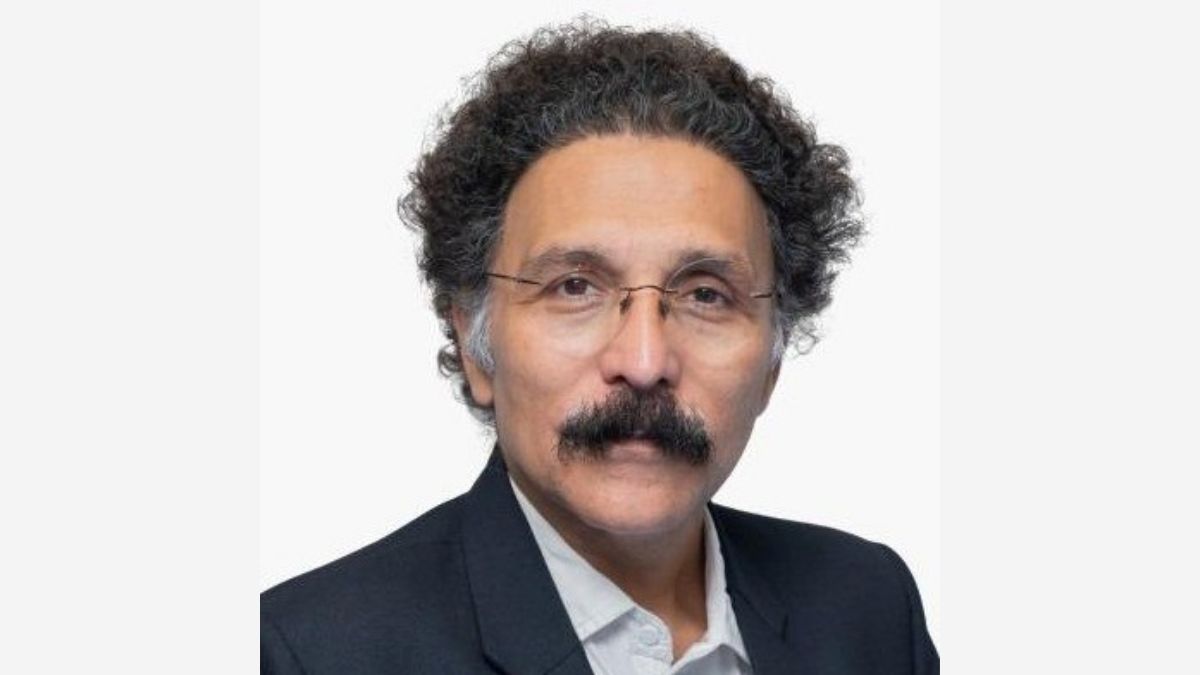
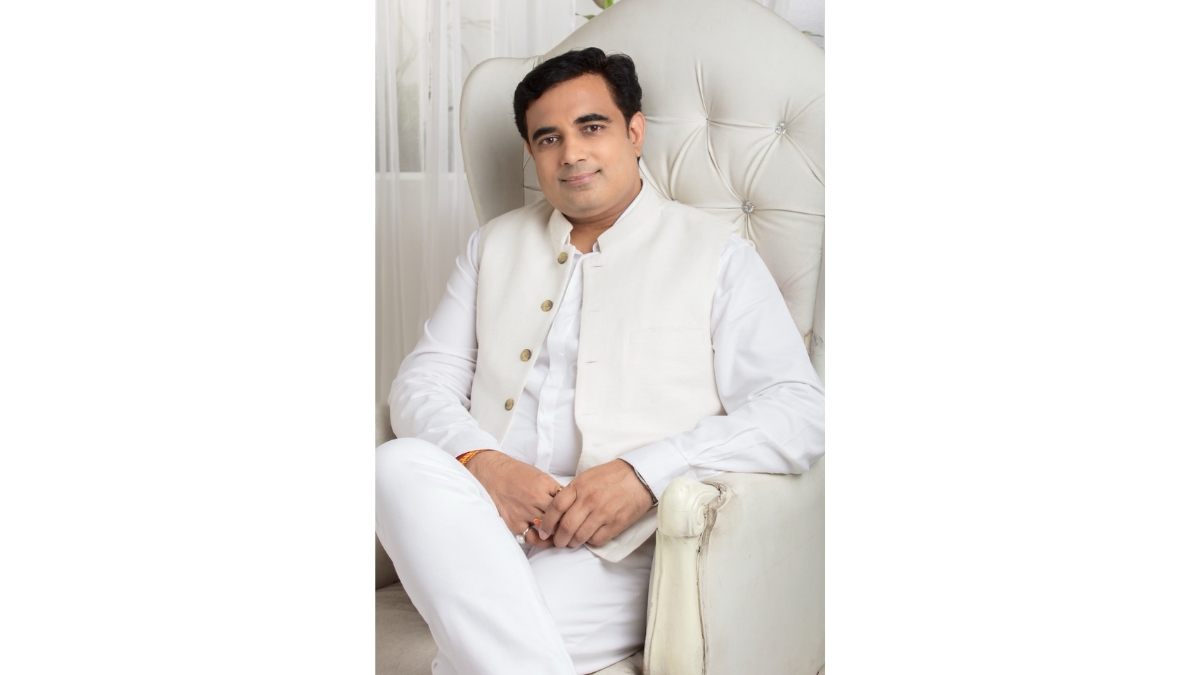
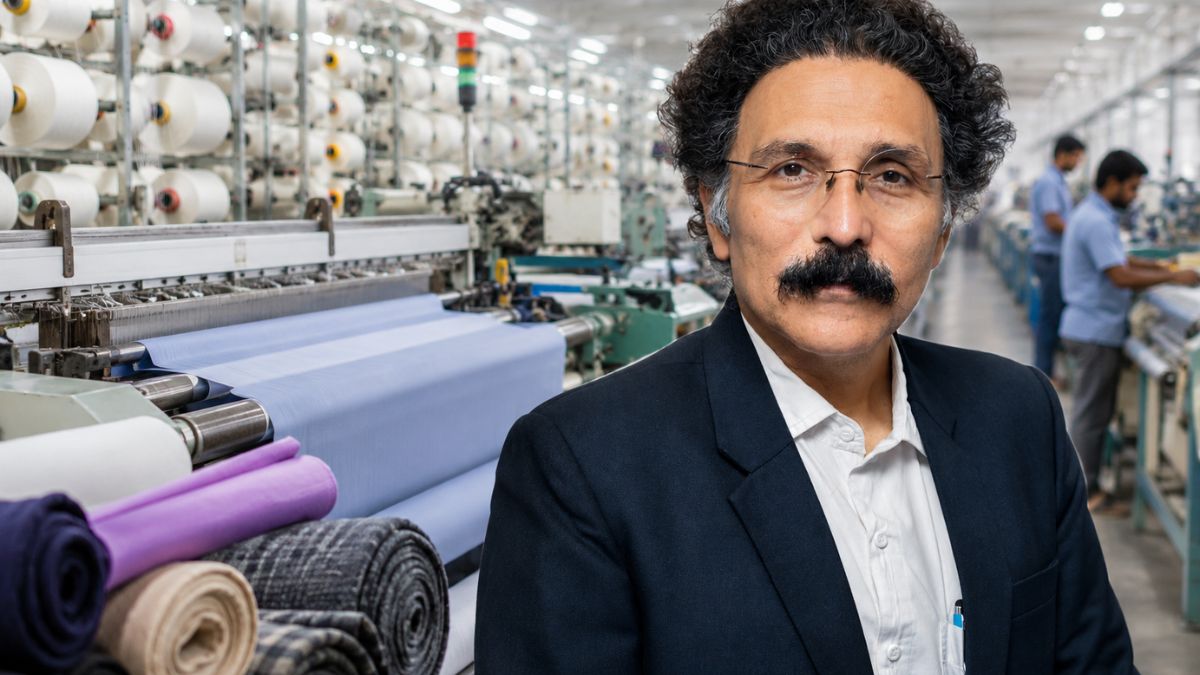
“This is not just a corporate restructuring; it is a signal of where the global textile market is heading,” said Dr. Pankaj Gandhi, Director of MANTRA (Man-Made Textiles Research Association), a premier institute under the Ministry of Textiles, Government of India.
According to him, the industry is now moving away from commodity-based production toward integrated textile solutions such as ProTech, MobilTech, InduTech and HomeTech.
“The future customer does not want fabric alone—they want complete solutions with performance, safety and sustainability built in,” he noted.
Dr. Gandhi highlighted three major shifts shaping the industry. First, the rise of solution-oriented manufacturing; second, increasing demand for inherently flame-retardant (FR) fibres instead of chemical coatings; and third, rapid adoption of circular economy models, where textile waste is recycled into virgin-quality yarn.
“Sustainability is no longer optional—it is a global compliance requirement,” he said.
Calling it a “decade-defining opportunity,” Dr. Gandhi urged Surat’s textile sector to move beyond traditional saree and dress material production, which is facing shrinking margins.
He suggested a roadmap focused on technology upgradation and diversification into automotive textiles, hospital fabrics, railway and metro materials, and industrial applications. With India’s automobile sector expanding rapidly, MobilTech fabrics present a major growth avenue.
He also stressed the importance of adopting global standards such as ISO, ASTM and OEKO-TEX for quality certification.
“Performance, not appearance, will define success in technical textiles,” he added.
MANTRA, he said, is ready to support the transition with advanced testing laboratories, R&D assistance and skill development programmes for industrial units looking to shift toward high-value engineered fabrics.
Dr. Gandhi concluded with a strong message: “Surat has the skill and scale. Now it needs vision. If we move from commodity thinking to value-added manufacturing, Surat can become a global leader in technical textiles.”