







How Can Schools in Hingoli Help Students Build Friendships Based on Respect, Not Pressure?
Positive friendships encourage students to ask questions and become confident, while pressure-based friendships can make students feel forced. Schools and parents play important roles in helping...

Students spend a large part of their day with classmates and friends. Their peer group can influence how they speak, behave, study, participate in activities, and respond to challenges. A positive friendship can encourage a student to ask questions, complete work on time, join school activities, and become more confident. But a pressure-based friendship can make a student feel forced to copy others, hide discomfort, or act against their own judgement.
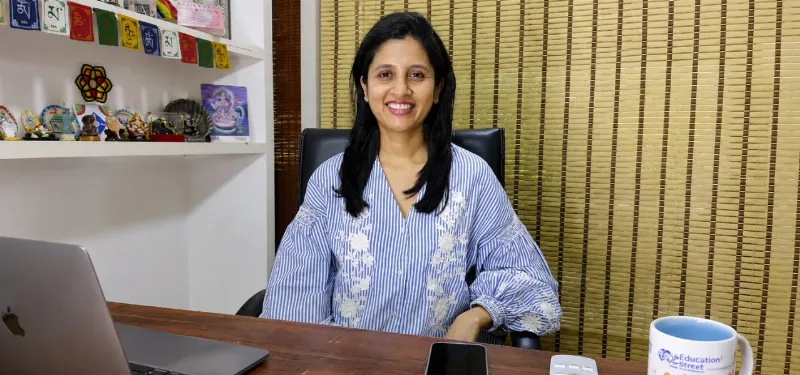
This is why schools in Hingoli have an important role to play. Students should not be made afraid of friendships. Instead, they should be helped to understand what healthy friendship looks like. An academic counsellor from Hingoli said, “Friendship is a strong influence in school life. Students learn a lot from their peers. That is why schools must help them understand the difference between positive influence and pressure. A good friendship should make a student feel respected, not controlled.”
Pressure in friendships does not always appear as a direct force. Sometimes, it shows up in how a student behaves. A student may stop sharing honest opinions, avoid certain activities, or agree with the group even when something feels uncomfortable. Over time, this can make students depend more on approval than judgement.
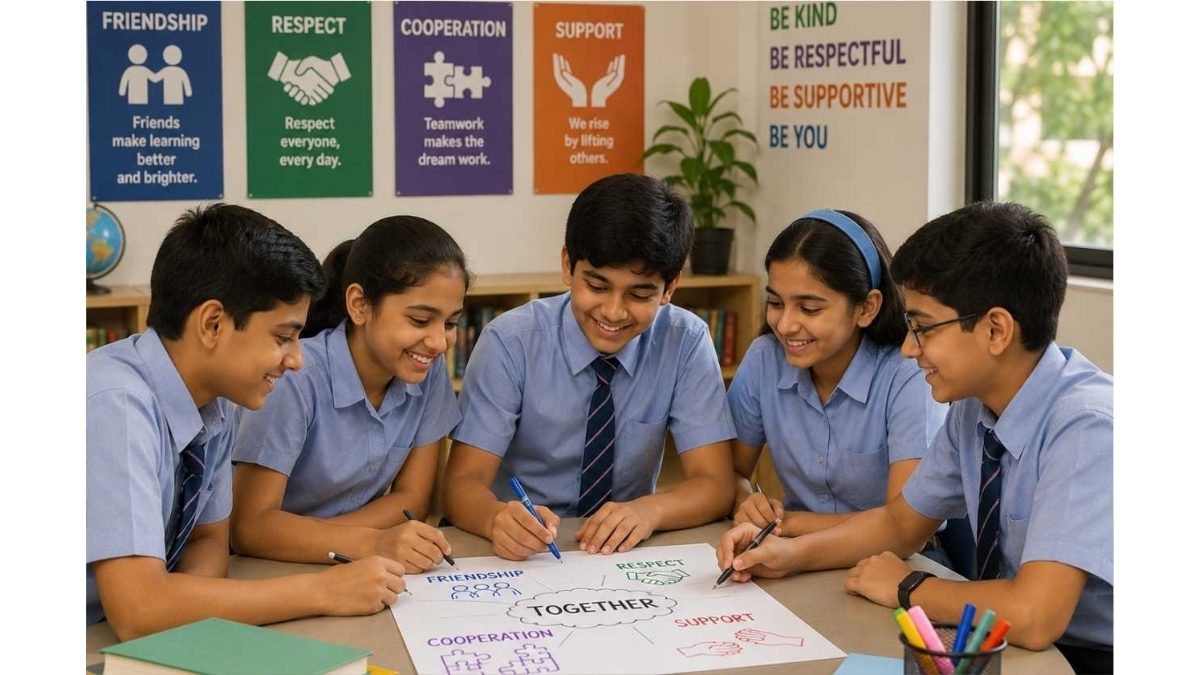
Respect-based friendship is different. It is built on listening, kindness, honesty, and personal boundaries. In such friendships, students can speak openly without fear of being mocked. They can support each other during studies and activities. They can also correct each other without being rude. Most importantly, they can disagree without damaging the friendship.
Schools can help students understand this through everyday learning experiences. Classroom discussions, group projects, counselling sessions, and teacher-led conversations can make the topic easier to understand. Students can be given familiar examples, such as what to do when a group excludes someone, how to respond when friends ask them to copy work, or how to speak up when a joke becomes hurtful.
The aim should be to help students think, not force them to follow rules blindly. If students only hear warnings, they may hide friendship-related problems. But when teachers explain the reasons behind respectful behaviour, students begin to understand the value of their choices. They learn that saying no politely is not rude. They learn that disagreeing respectfully does not mean ending a friendship. They also learn that popularity is not the same as trust.
A parent from Hingoli said, “As parents, we want our child to have friends and enjoy school life. At the same time, we worry when children follow others without thinking. Schools can help by teaching students that friendship should include respect, not pressure.”
Parents also play an important role at home. They can talk to students calmly about friendships instead of immediately judging their friends. Questions such as “Do you feel comfortable with your friends?”, “Can you say no when you need to?”, “Do your friends respect your choices?”, and “Do you feel included without changing yourself?” can help students reflect.
Parents should also observe changes in behaviour. If a student suddenly becomes withdrawn, anxious, secretive, unusually eager to copy a group, or uncomfortable discussing school, it may be a sign that they need support. However, the response should be patient. If students feel they will be blamed, they may stop sharing. A calm conversation can help them open up.
Another parent from Hingoli added, “Children may not always say they are facing pressure. Sometimes it shows small changes. If schools and parents communicate regularly, it becomes easier to understand what the child is going through and guide them at the right time.”
At Podar International School in Hingoli, the focus is on helping students build confidence, empathy, respectful communication, and responsible choices through everyday school experiences. Teachers encourage students to participate, listen, reflect, and work with others in a positive manner. The school also works closely with parents through regular communication and feedback so that students receive consistent guidance at home and in the classroom.
Parents looking for school admission in Hingoli can get in touch with the school team to learn more about Podar International School in Hingoli, its facilities, curriculum, and admission process.
Email Address: admissions@podar.org
Telephone No: 6366437852