




OPEC Turmoil May Boost Surat Textile & Packaging Exports
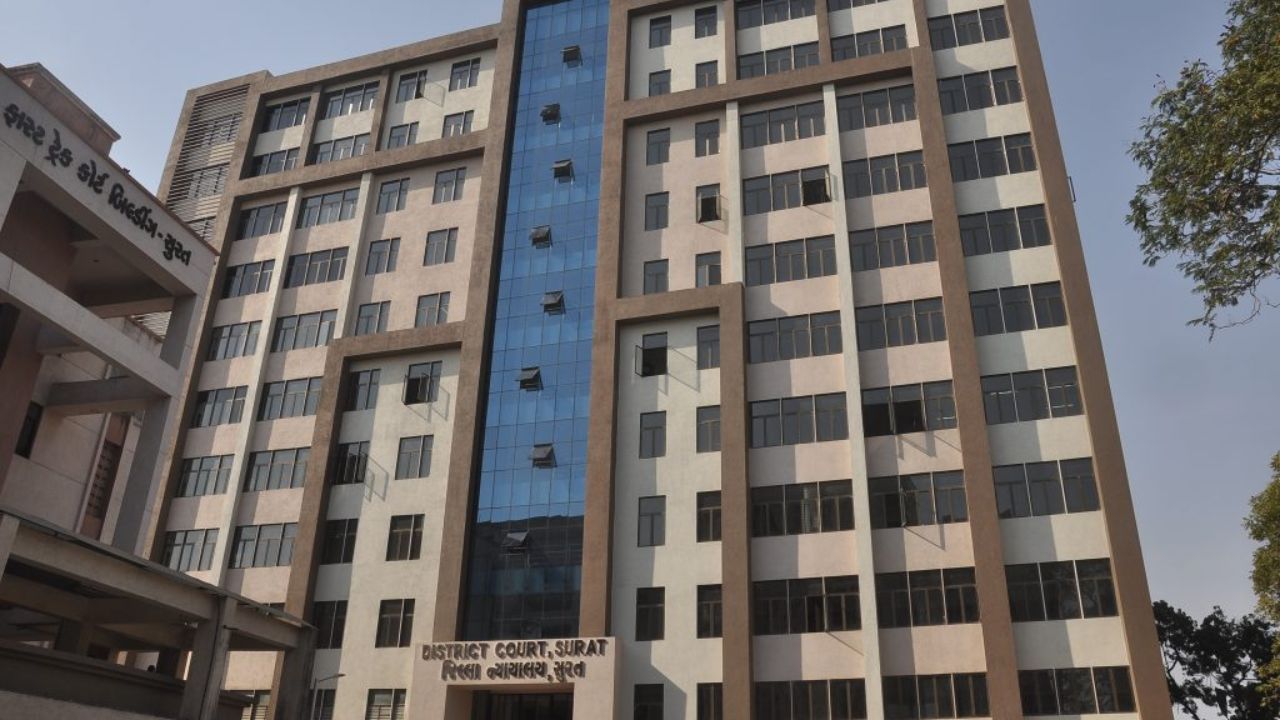
Surat | Gujarat — A major shift in global oil politics is set to bring unexpected gains for India’s industrial economy, especially Surat’s textile and packaging sectors. The recent disruption within...

Surat | Gujarat — A major shift in global oil politics is set to bring unexpected gains for India’s industrial economy, especially Surat’s textile and packaging sectors. The recent disruption within OPEC following the exit of the United Arab Emirates has triggered expectations of increased crude supply and softer prices — a development experts say could significantly benefit South Gujarat’s manufacturing ecosystem.
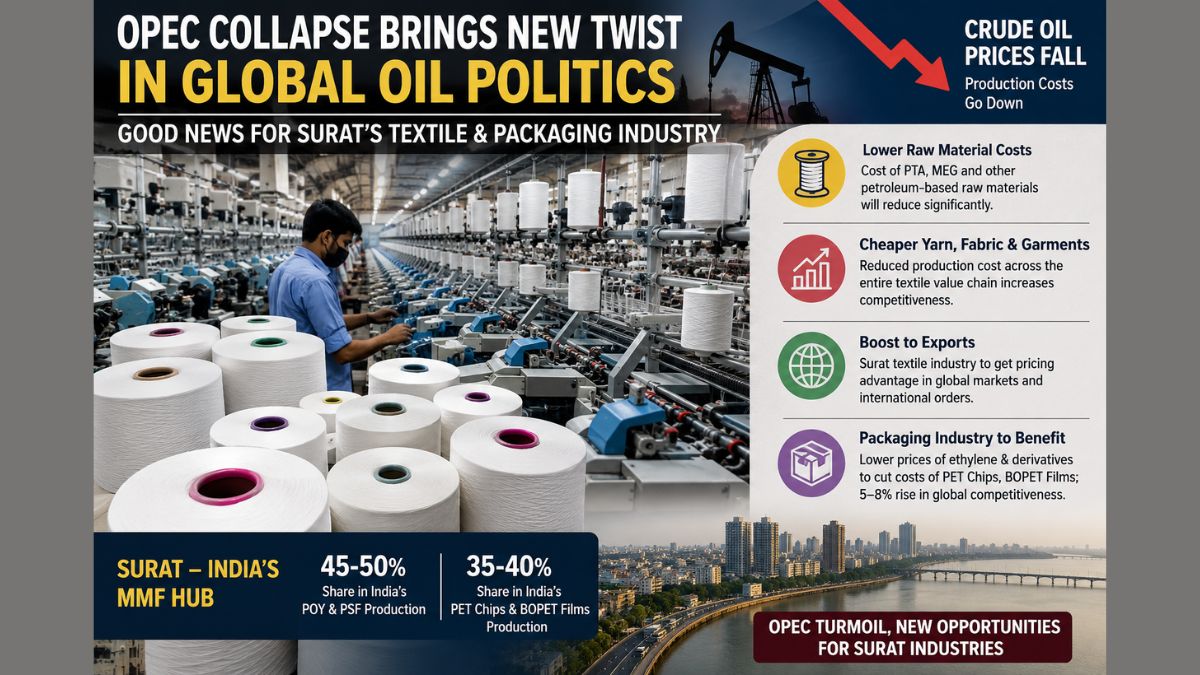
Industry observers believe the change could reduce production costs across the polyester and petrochemical value chain, strengthening Surat’s position as India’s man-made fibre hub.
Economic analyst Dr. Pankaj Gandhi said the development could be a turning point for the region. “The textile and packaging industries of South Gujarat, especially Surat, are likely to benefit the most from this change in the international market,” he noted.
Surat accounts for nearly 45–50% of India’s POY (Partially Oriented Yarn) and PSF (Polyester Staple Fiber) production. Since key raw materials such as PTA and MEG are petroleum-based, falling crude oil prices can directly reduce manufacturing costs. “As raw materials become cheaper, costs across the yarn, fabric and garment production chain will decline, improving global competitiveness and export pricing,” Dr. Gandhi added.
Experts say exporters could gain a stronger edge in international markets as cost savings translate into more competitive pricing for overseas buyers. The ripple effect could also extend to Gujarat’s packaging industry, a major national production centre for PET chips and BOPET films.
“This situation is equally positive for the packaging industry,” Dr. Gandhi explained. “Falling prices of ethylene and other petroleum derivatives will lower production costs, potentially improving global competitiveness by 5–8%.”
The shift comes amid significant changes in the global energy landscape. After nearly six decades of cooperation, the UAE announced its decision to exit OPEC and OPEC+ from May 1, 2026. The move is widely seen as an effort to expand its production capacity beyond existing quotas.
Under OPEC limits, the UAE produced around 3.4 million barrels per day despite having a capacity of nearly 4.85 million barrels. The country has now set a target of producing 5 million barrels per day by 2030. Increased supply is expected to stabilise Brent crude prices around $80 per barrel.
For an import-dependent country like India, the implications are substantial. India imports nearly 80–85% of its crude oil requirements. Lower prices could reduce the national import bill, ease pressure on the rupee and help control inflation.