


India Becomes World’s 2nd Largest Diamond Market as Gen Z Fuels Luxury Boom
Surat | Gujarat — The Indian diamond jewellery market has entered a transformative era, officially overtaking China and Japan to become the second-largest market globally, according to the 2025 De...

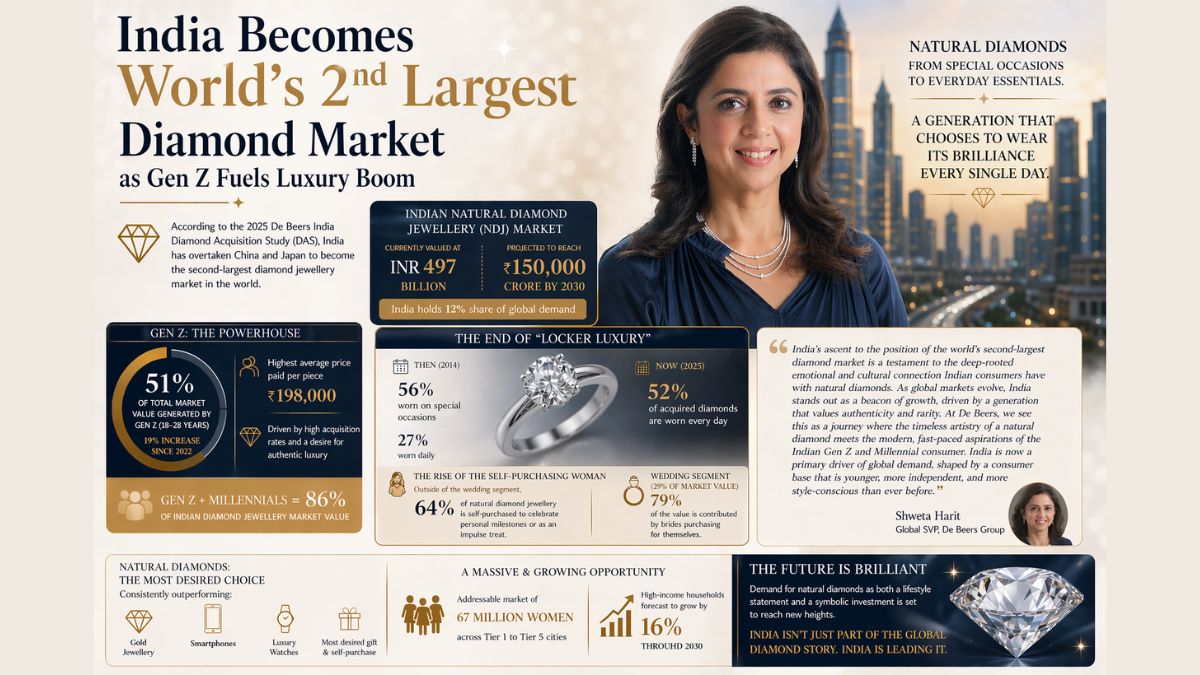
Surat | Gujarat — The Indian diamond jewellery market has entered a transformative era, officially overtaking China and Japan to become the second-largest market globally, according to the 2025 De Beers India Diamond Acquisition Study (DAS). Capturing a 12% share of global demand, India’s Natural Diamond Jewellery (NDJ) market is currently valued at INR 497 Billion and is projected to reach 150,000 Croreby 2030. This growth is underpinned by a seismic shift in consumer behaviour, led by a new generation of buyers who view diamonds not as dormant assets, but as essential elements of their daily identity.
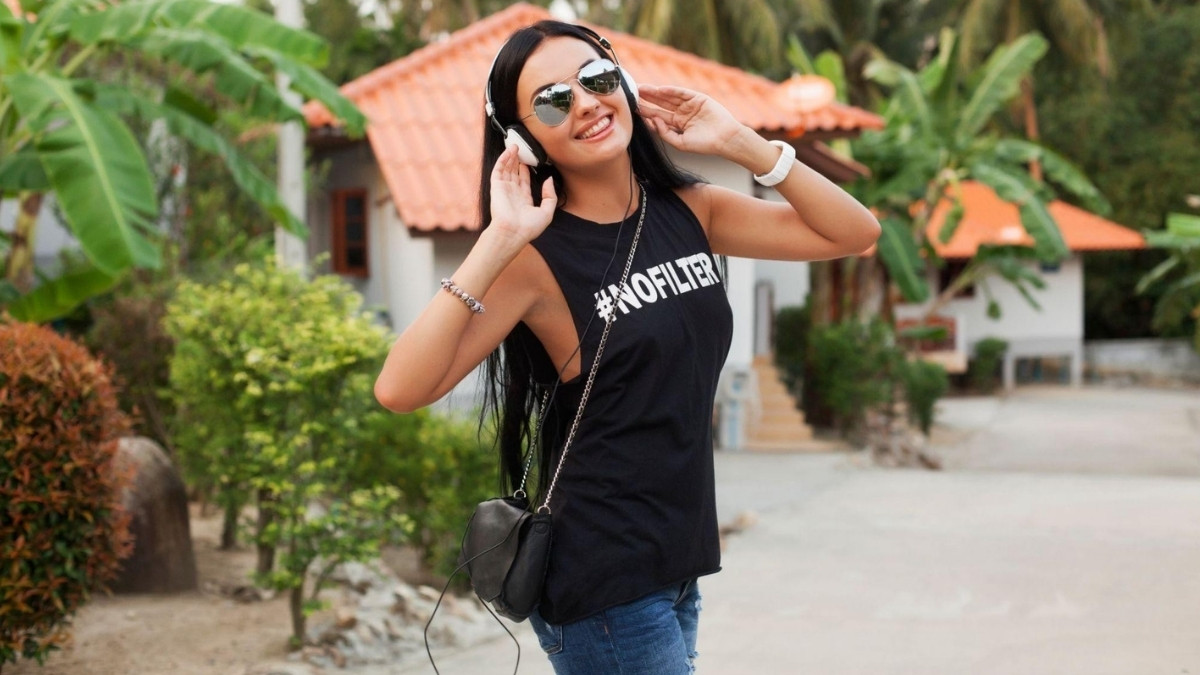
The study identifies Generation Z as the undisputed powerhouse of the Indian diamond market. Contrary to global narratives, young Indians are embracing natural diamonds with unprecedented enthusiasm, with Gen Z (aged 18-28) now generating a staggering 51% of the total market value, a 19 % increase since 2022. This demographic records the highest average price paid per piece at INR 198,000, driven by high acquisition rates and a desire for authentic luxury. When combined with Millennials, these two generations consisting of86% of the Indian diamond jewellery market value, signalling a long-term youth-led expansion that is reshaping the luxury landscape.
A profound cultural shift has also redefined how diamonds are worn in India, marking the end of “locker luxury.” In2014, 56%of diamond jewellery was reserved for special occasions, while only 27% was worn daily. Today, 52% of acquired diamonds are now worn every day This transition is closely linked to the rise of the self-purchasing woman; outside of the wedding segment, 64% of natural diamond jewellery is self-purchased to celebrate personal milestones or as an impulse treat. Even within the wedding sector, which accounts for 29% of the market value, a remarkable 79% of the value is contributed by brides purchasing for themselves.
Shweta Harit, Global SVP, De Beers Group, said: “India’s ascent to the position of the world’s second-largest diamond market is a testament to the deep-rooted emotional and cultural connection Indian consumers have with natural diamonds. As global markets evolve, India stands out as a beacon of growth, driven by a generation that values authenticity and rarity. At De Beers, we see this as a journey where the timeless artistry of a natural diamond meets the modern, fast-paced aspirations of the Indian Gen Z and Millennial consumer. India is now a primary driver of global demand, shaped by a consumer base that is younger, more independent, and more style-conscious than ever before.”
Natural diamonds remain the most desired gift and self-purchase item in India, consistently outperforming gold jewellery, smartphones, and luxury watches. As the addressable market expands to 67 million women across Tier 1 to Tier 5 cities, the future of the Indian diamond industry looks increasingly robust. With high-income households forecast to grow by 16% through 2030, the demand for natural diamonds as both a lifestyle statement and a symbolic investment is set to reach new heights.
As India cements its place as a global diamond powerhouse, natural diamonds have officially evolved from ‘special occasion’ heirlooms to everyday essentials. This shift reflects a visionary new era where nature’s greatest art meets the bold independence of a generation that no longer saves its brilliance for tomorrow, but chooses to wear it every single day.