






Gujarat’s Mobile Forensic Vans Reach 37,000+ Crime Scenes, Revolutionising Scientific Crime Investigation
GANDHINAGAR: Gujarat’s investment in scientific policing is delivering tangible results, with 47 Mobile Forensic Vans (MFVs) attending more than 37,000 crime scenes in the last two years,...

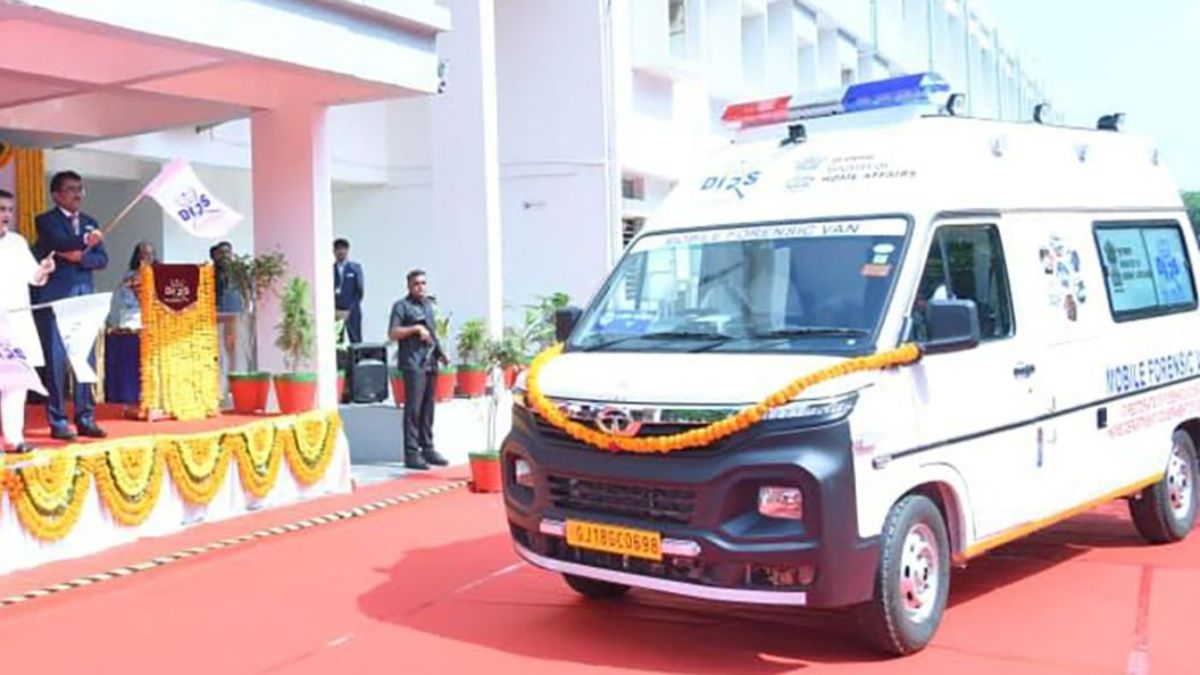
GANDHINAGAR: Gujarat’s investment in scientific policing is delivering tangible results, with 47 Mobile Forensic Vans (MFVs) attending more than 37,000 crime scenes in the last two years, transforming the way criminal investigations are conducted. Functioning as mini forensic laboratories on wheels, these specialised vehicles are helping police preserve crucial evidence, reduce contamination, and strengthen prosecutions through faster, science-backed investigations.
The high-tech vans have become an integral part of Gujarat’s law enforcement system, providing immediate forensic assistance at crime scenes involving murders, sexual offences, robberies, narcotics cases, fires, explosions and other serious crimes.
Officials said the initiative reflects the vision of Prime Minister Narendra Modi, who established the Gujarat Forensic Sciences University (now the National Forensic Sciences University) to integrate forensic science into policing and criminal justice. The state government, under Chief Minister Bhupendra Patel, has continued expanding the use of forensic technology in investigations.
“Scientific investigation has become the cornerstone of modern policing, and Mobile Forensic Vans are ensuring that critical evidence is preserved from the very first response at a crime scene,” officials said.
The importance of forensic science has increased further with the implementation of the country’s new criminal laws, which mandate forensic investigation for offences punishable with imprisonment exceeding seven years. Authorities believe this will significantly improve the quality of investigations and conviction rates.
According to official data, Mobile Forensic Vans have visited 37,269 crime scenes over the past two years. These include 1,529 murder cases, 3,746 rape, POCSO and child abuse cases, 1,583 attempt-to-murder cases, 728 robbery cases, 2,758 burglary and theft cases, 2,893 fire incidents, 1,968 narcotics-related offences, 154 firing incidents, 43 explosion cases, and 9,022 fatal or life-threatening incidents. An additional 10,457 visits were made in cases involving accidental deaths, custodial deaths, suspicious deaths and other law and order situations.
In 2024, 28 of the state’s 47 Mobile Forensic Vans were upgraded in line with the Union Ministry of Home Affairs’ guidelines, enhancing their capability to conduct scientific examinations directly at crime scenes.
Each van is equipped with 12 specialised forensic kits, including DNA and sexual assault evidence kits, narcotics and explosive screening kits, gunshot residue detection equipment, fire investigation kits, and footprint and tyre impression casting tools. They also carry stereo microscopes, DSLR cameras, GPS-enabled body cameras, laptops, printers, mini refrigerators, forensic light sources, LED displays and generator sets.
These mobile laboratories enable investigators to conduct preliminary examinations of bloodstains, biological samples, fingerprints, footprints, tyre marks, gunshot residue, narcotics, explosives, burnt materials, hair, fibres, soil, glass fragments and other trace evidence without delay.
“By bringing forensic science directly to crime scenes, Mobile Forensic Vans are accelerating investigations, protecting vital evidence and helping build stronger cases from the first response to the final judgment,” officials added.