







Gujarat Plans ₹100-Cr Marine Biotech Corridor in Porbandar
GANDHINAGAR: Gujarat is set to make a major push into the blue bioeconomy with a proposed ₹100-crore Marine Biotechnology Research & Innovation Corridor (M-BRIC) at Mocha village in Porbandar...

GANDHINAGAR: Gujarat is set to make a major push into the blue bioeconomy with a proposed ₹100-crore Marine Biotechnology Research & Innovation Corridor (M-BRIC) at Mocha village in Porbandar district, aimed at converting the state’s vast marine resources into high-value products, new industries and livelihood opportunities.
The five-year project, proposed by the Gujarat State Biotechnology Mission (GSBTM) under the Department of Science and Technology, will create an integrated ecosystem connecting marine research, biotechnology, field cultivation, biomanufacturing, startups and commercialisation.
An MoU for establishing M-BRIC will be signed between GSBTM and the CSIR-Central Salt and Marine Chemicals Research Institute (CSIR-CSMCRI) in the presence of Science and Technology Minister Arjun Modhwadia and Agriculture and Farmers Welfare Minister Jitu Vaghani.
The proposed corridor is expected to bring government agencies, research institutions, universities, industries, startups, MSMEs and coastal communities onto a common platform.
Modhwadia said the project would provide a technology-driven pathway from marine biological resources to commercially viable products.
“Gujarat has immense marine biological resources. M-BRIC will help convert this potential into research, innovation, manufacturing and sustainable economic opportunities,” he said.
30-Acre Hub at Mocha
A 30-acre marine biotechnology research and innovation hub is proposed at Mocha. It will house research facilities, processing infrastructure, incubation centres and pilot-scale bioprocessing and biomanufacturing units.
A dedicated seaweed-processing cluster is also planned for washing, pre-processing, extraction, drying, powdering, packaging, storage and quality control.
The corridor will focus on seaweeds, microalgae, marine microorganisms and saline ecosystems. Potential products include biofertilisers, biostimulants, nutraceuticals, cosmeceuticals, aquafeed, enzymes, biosurfactants, pharmaceutical intermediates and marine-derived biomaterials.
Seaweed-based products such as agar, alginate and carrageenan will also be explored for industrial applications.
Research to Commercialisation
The M-BRIC ecosystem will include a state-level seaweed brood bank supplying elite planting material of Kappaphycus alvarezii and Gracilaria dura. Marine microalgal biofactories are proposed to produce omega-3 fatty acids and other high-value bioactive compounds.
An integrated seaweed biorefinery will target phycocolloids, biostimulants and other value-added products.
CSIR-CSMCRI has been identified as a key scientific partner, bringing expertise in seaweed biotechnology, marine bioproducts, saline agriculture, halophytes, bioprocessing and technology transfer.
The corridor will support startups through incubation, prototype development, intellectual property protection, regulatory assessment, licensing and technology transfer.
Coastal Jobs and Sustainability
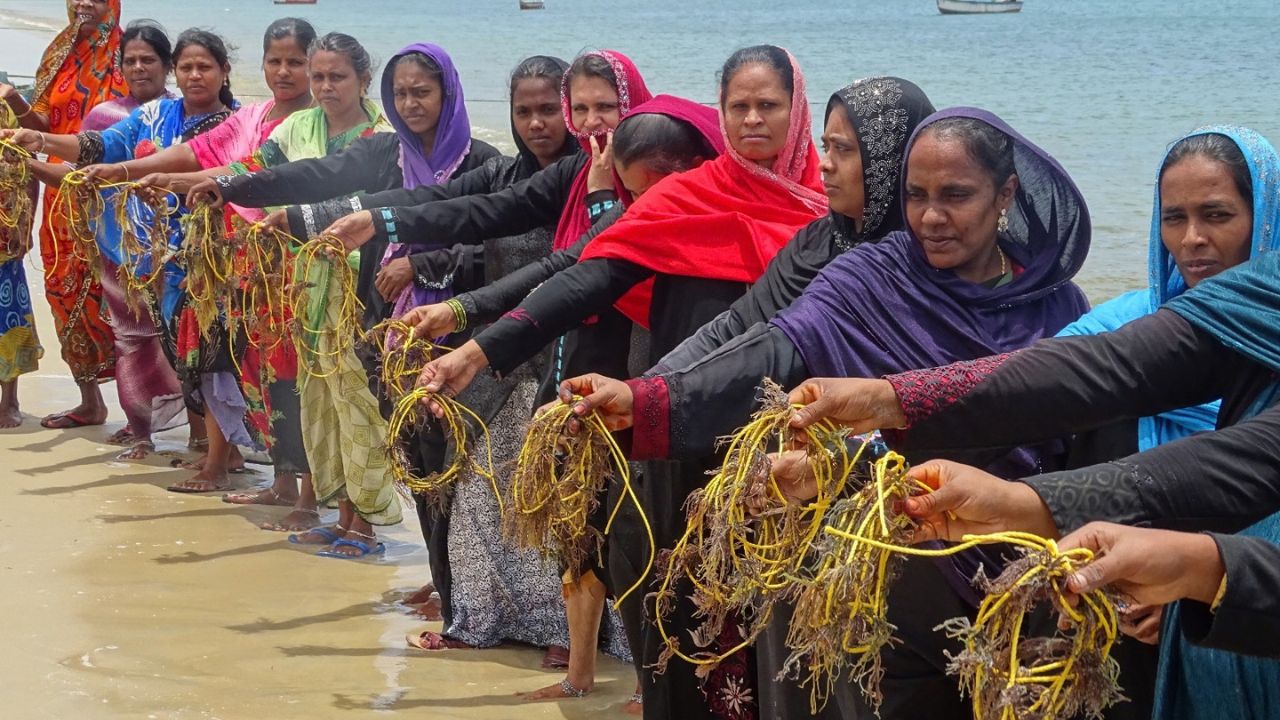
The project also aims to strengthen coastal livelihoods through training for seaweed farmers, fishing communities, women-led enterprises, youth, students and entrepreneurs.
Training will cover seaweed cultivation, aquaculture, marine biotechnology, genomics, bioinformatics, bioprocessing, environmental monitoring and technology commercialisation.
Sustainability will remain central, with the project exploring Blue Carbon, climate-resilient coastal development and responsible use of marine genetic resources.