







Surat : Nasirnagar Demolition Row Takes New Twist as SOG Publishes Criminal List Amid Mounting Questions
Surat | Gujarat — The controversy surrounding the demolition of the Nasirnagar settlement near Ved Darwaza in Surat has entered a new and politically charged phase, with the Special Operations...

Surat | Gujarat — The controversy surrounding the demolition of the Nasirnagar settlement near Ved Darwaza in Surat has entered a new and politically charged phase, with the Special Operations Group (SOG) headed by Rajdeepsinh Nakum releasing a list of seven alleged criminals linked to the locality even as allegations of an illegal demolition continue to haunt the administration.
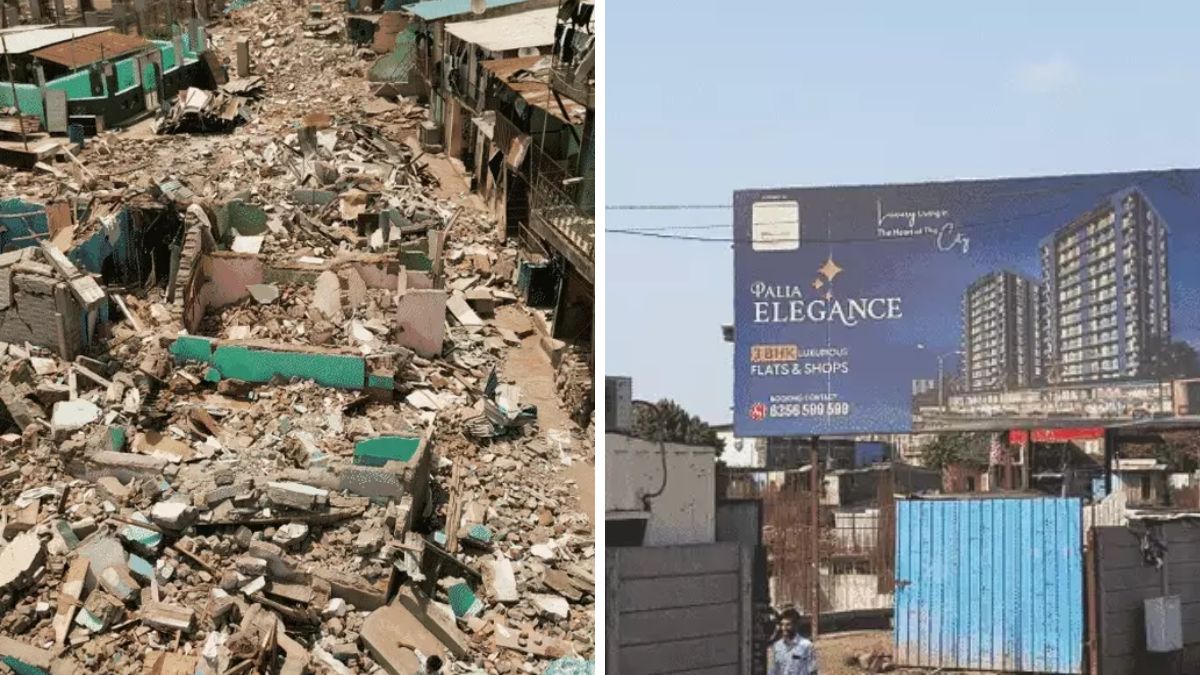
Thirteen days after bulldozers razed large parts of the settlement, leaving dozens of families homeless, the administration and police continue to face intense scrutiny over the operation. While a secret inquiry has reportedly been initiated into the demolition and affected residents have staged protests outside the Municipal Commissioner’s residence, the latest move by the SOG appears aimed at projecting Nasirnagar as a hub of criminal activity rather than a colony of ordinary citizens.
According to the SOG, the seven individuals identified have criminal histories involving serious offences such as murder, attempted murder, rioting, extortion, trespassing and preventive detention cases registered at various police stations including Chowk Bazaar, Lalgate, Salabatpura and the Detection of Crime Branch.
Police sources maintain that releasing the data is intended to convey that the bulldozer action was part of a broader effort to dismantle criminal networks operating in the area. However, the move has also intensified a fundamental legal question being raised by residents, activists and legal experts: even if criminals lived in the locality, did authorities follow due process before demolishing homes?
Former Congress corporator Aslam Cyclewala launched a sharp attack on the police narrative, alleging that several names included in the SOG list had never resided in Nasirnagar.
“Out of the seven accused declared by the SOG, four never lived here. The police should take legal action against criminals and courts should punish them if found guilty. Nobody is opposing that. But 84 families have been rendered homeless, not just seven accused,” Cyclewala said.
He further questioned the timing of the disclosure, saying, “After nearly two weeks, the SOG suddenly released a list claiming many criminals lived in Nasirnagar. Some of the cases cited are not even serious offences. This appears to be an attempt to justify what happened after the fact.”
Residents and opposition leaders have also demanded answers regarding the operational chain of command during the demolition. Questions continue to be raised about the presence of SOG DCP Rajdeepsinh Nakum at the site and the absence of other senior police officials during what was effectively a large-scale demolition exercise.
The controversy has also revived political criticism against Nakum and SOG officials, who previously faced allegations from Congress leaders during the Surat Municipal Corporation election period. At the time, opposition leaders accused SOG personnel of exceeding their mandate and acting in a politically partisan manner—charges that police officials had rejected.
As the debate over crime, legality and governance intensifies, the Nasirnagar demolition has evolved from a local eviction dispute into a larger test of administrative accountability. With investigations underway and protests continuing, the central question remains unresolved: whether the demolition was a lawful action against encroachment and crime, or an exercise that bypassed established legal safeguards and left dozens of families without shelter.