





How Solar Pumps Are Changing Tribal Farmers’ Lives in Gujarat
Gandhinagar | Gujarat — There was a time when rainfall was the only lifeline for Ramu Waghmare, a farmer from Umarpada village in Dang district. A good monsoon meant a successful harvest, while poor...

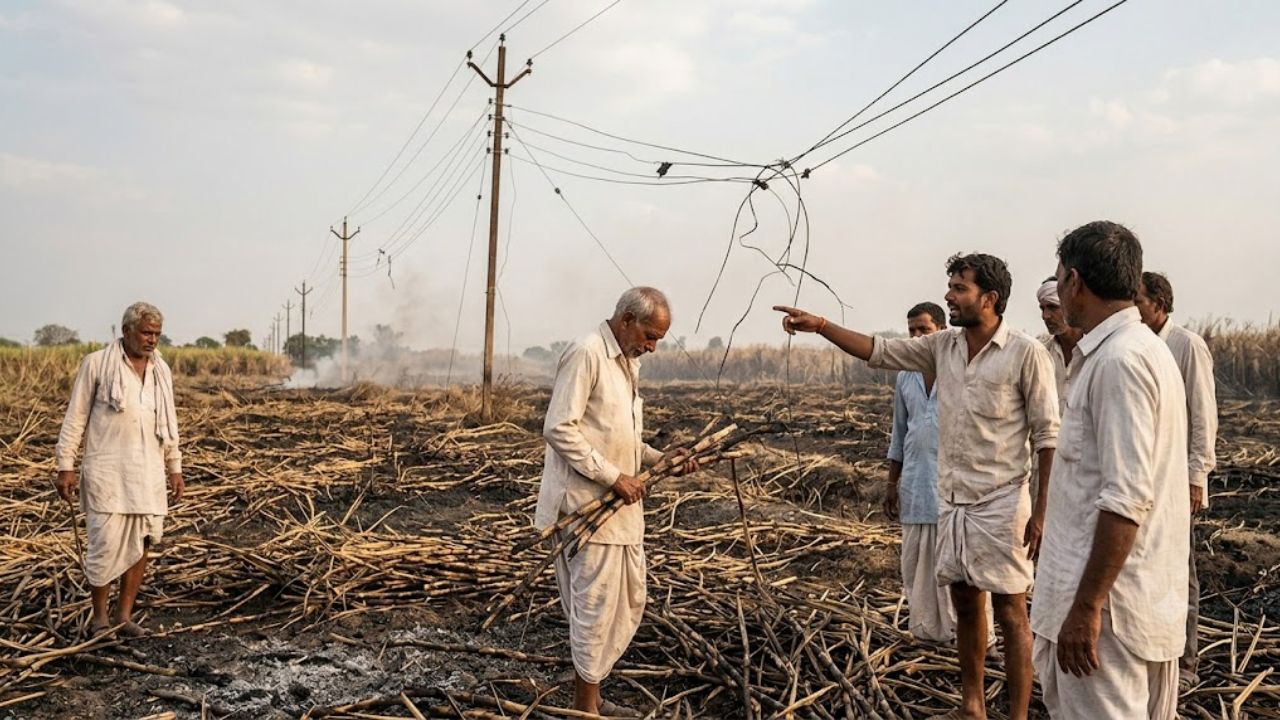
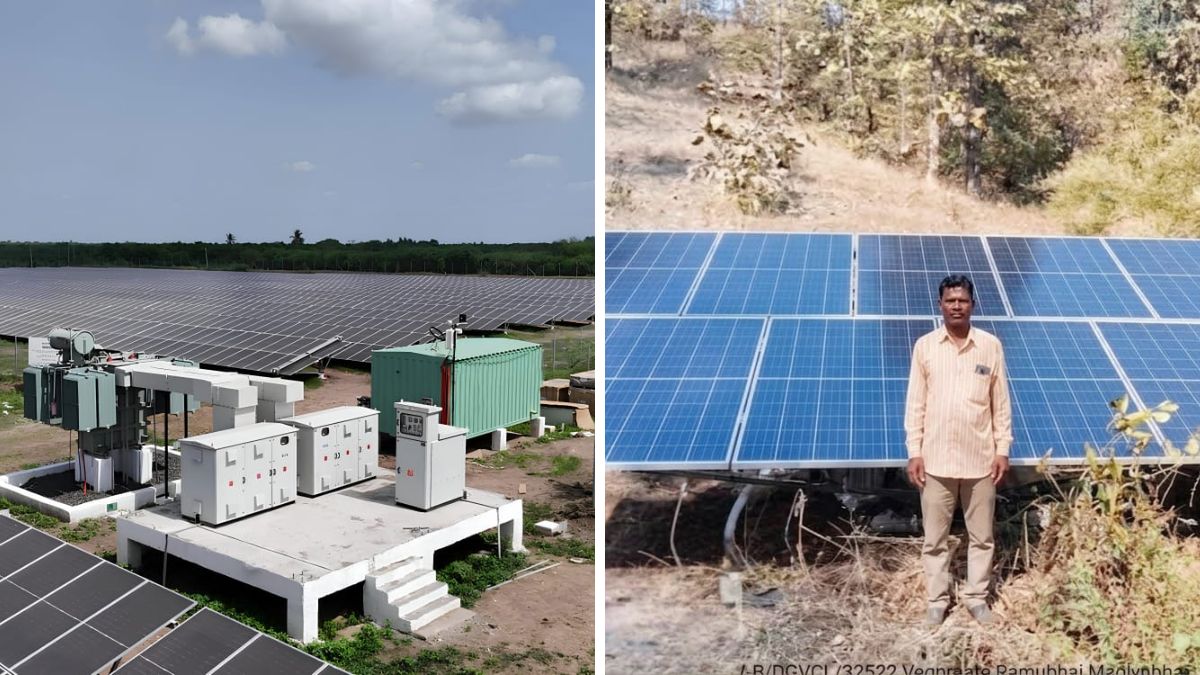
Gandhinagar | Gujarat — There was a time when rainfall was the only lifeline for Ramu Waghmare, a farmer from Umarpada village in Dang district. A good monsoon meant a successful harvest, while poor rainfall often resulted in financial hardship throughout the year. Irrigation required him to visit his fields at night, while erratic electricity supply and water scarcity remained constant challenges.
Today, the situation has changed dramatically.
A solar-powered irrigation pump installed on his farm now provides a reliable water supply from sunrise to sunset. He no longer has to stay awake at night to irrigate his fields and can cultivate more than one crop each year.
Behind this transformation is the Government of India’s Pradhan Mantri Kisan Urja Suraksha Evam Utthaan Mahabhiyan (PM-KUSUM) scheme, which is writing a new chapter of development in Gujarat’s tribal regions.
More than 21,000 solar water pumps are currently operational across the state. In districts such as Narmada, Dang, and Tapi, thousands of farmers are gradually becoming free from the burden of diesel expenses, unreliable electricity supply, and dependence on seasonal rainfall.
Gavji Vasava, a farmer from Gavan village in Tapi district, says that farming was once limited to the monsoon season. Today, solar-powered irrigation allows farmers to cultivate multiple crops throughout the year. Many are also growing fodder crops and earning additional income through livestock farming.
For Ishwar Bhai Vasava of Juna Mosda village in Narmada district, the scheme has been life-changing. There was a time when inadequate farm income forced him to migrate to cities in search of work. Today, he is able to cultivate three crops annually, significantly improving his family’s economic condition.
The success of the scheme is reflected not only in farmers’ experiences but also in its scale.
Under Component-C of PM-KUSUM, Gujarat has commissioned 256 solar power plants with a combined capacity of 695 MW, resulting in the solarization of approximately 297,000 agricultural pumps. Rajkot district leads the state with an installed capacity of 81 MW.
According to Gujarat Energy Minister Rishikesh Patel, the scheme is ensuring energy and water security for farmers while promoting environmental sustainability through reduced diesel consumption.
Providing details about the scheme, the minister said that PM-KUSUM is being implemented through three components—A, B, and C. Under Component-A, Power Purchase Agreements (PPAs) have been signed for 163 MW of solar projects, which are currently under implementation.
Under Component-B, standalone solar agricultural pumps are installed in remote, forested, and difficult-to-access areas where grid electricity is unavailable or not techno-economically viable. Beneficiaries receive 30 percent Central Financial Assistance (CFA) from the Government of India and 30 percent subsidy from the State Government. The remaining cost is borne by the farmer. This assistance is available for pump sets up to 7.5 horsepower (HP).
The minister further stated that the Gujarat Government has introduced special provisions for farmers in forest and tribal areas. Tribal farmers in these regions receive 30 percent assistance from the Central Government and 70 percent subsidy from the State Government, meaning they are not required to contribute any amount towards the installation cost. Non-tribal farmers in forest areas also receive substantial support and are required to pay only a nominal fixed charge.
A total of 22,787 solar pumps have been commissioned under Component-B so far.
Today, solar pumps in Gujarat’s tribal regions represent more than just a technological innovation. They symbolize confidence, prosperity, and opportunity for farmers. They are helping generate higher crop yields, increased incomes, and improved living standards.
As the nation marks 12 years of governance under Prime Minister Narendra Modi, solar energy is illuminating not only the fields of Gujarat’s remote villages but also the lives and aspirations of thousands of farming families.