




Navsari Tribal Villages Drown in Promises as Water Crisis Deepens in Vansda Hills
Vansda (Navsari) | Gujarat — In the remote, rugged hills of Garmatha Phalia in Khataamba village of Vansda taluka, life has turned into a daily battle for survival as a severe drinking water crisis...

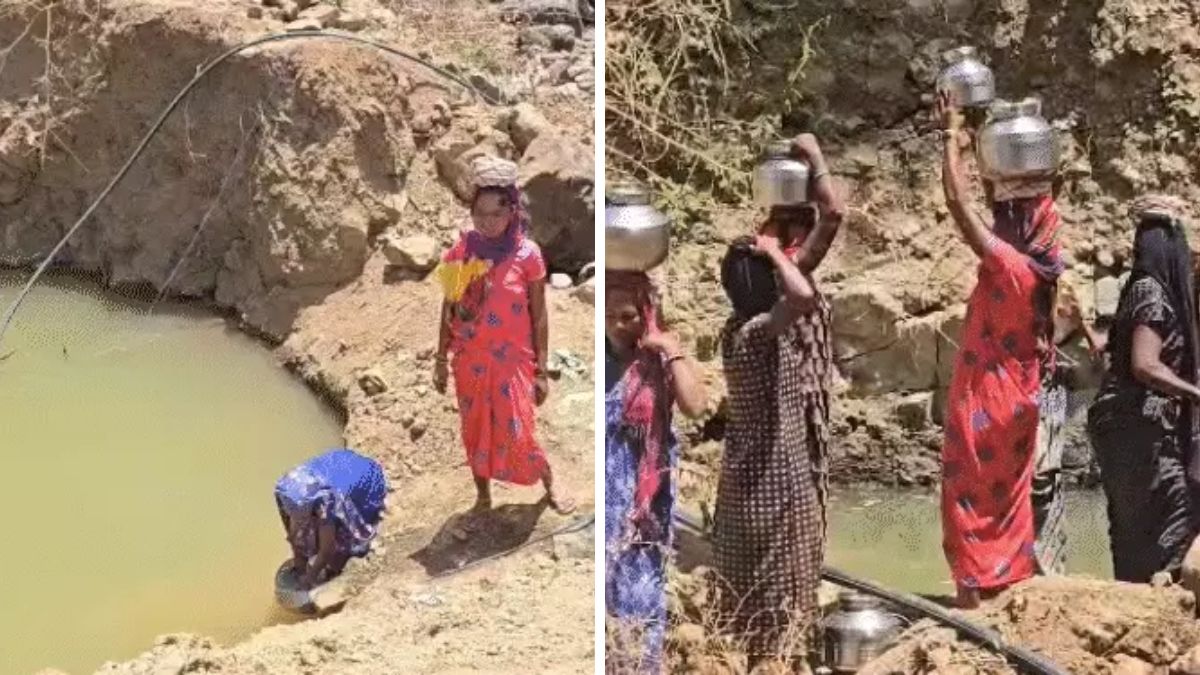
Vansda (Navsari) | Gujarat — In the remote, rugged hills of Garmatha Phalia in Khataamba village of Vansda taluka, life has turned into a daily battle for survival as a severe drinking water crisis grips the region with the onset of summer. While government schemes like Har Ghar Nal Se Jal promise universal tap water access, reality on the ground tells a starkly different story of hardship, neglect, and broken infrastructure.
For tribal families here, water is no longer a basic necessity—it is a dangerous mission. Women and children walk nearly a kilometre every day through rocky, steep, and unsafe terrain just to collect a few buckets of water. The path, often isolated and surrounded by dense forest, also carries the constant fear of wild animals, forcing women to travel in groups for safety.
“We start early in the morning and still struggle the entire day for water. The journey is painful, and sometimes dangerous because of wild animals,” said local resident Sunita Rathod, describing the daily ordeal.
Despite the installation of deep borewells, reportedly reaching up to 300 feet, villagers say the groundwater has drastically depleted. The water supply, they claim, lasts barely 10 minutes a day—far from enough to meet the needs of dozens of families.
“Even that water is not clean or sufficient. We are forced to use whatever little we get,” another villager added, highlighting the severity of the crisis.
The situation worsens as natural sources dry up after winter, leaving villagers dependent on limited and unreliable supplies. Many families report that even livestock suffer due to the lack of drinking water, forcing them to share whatever is available.
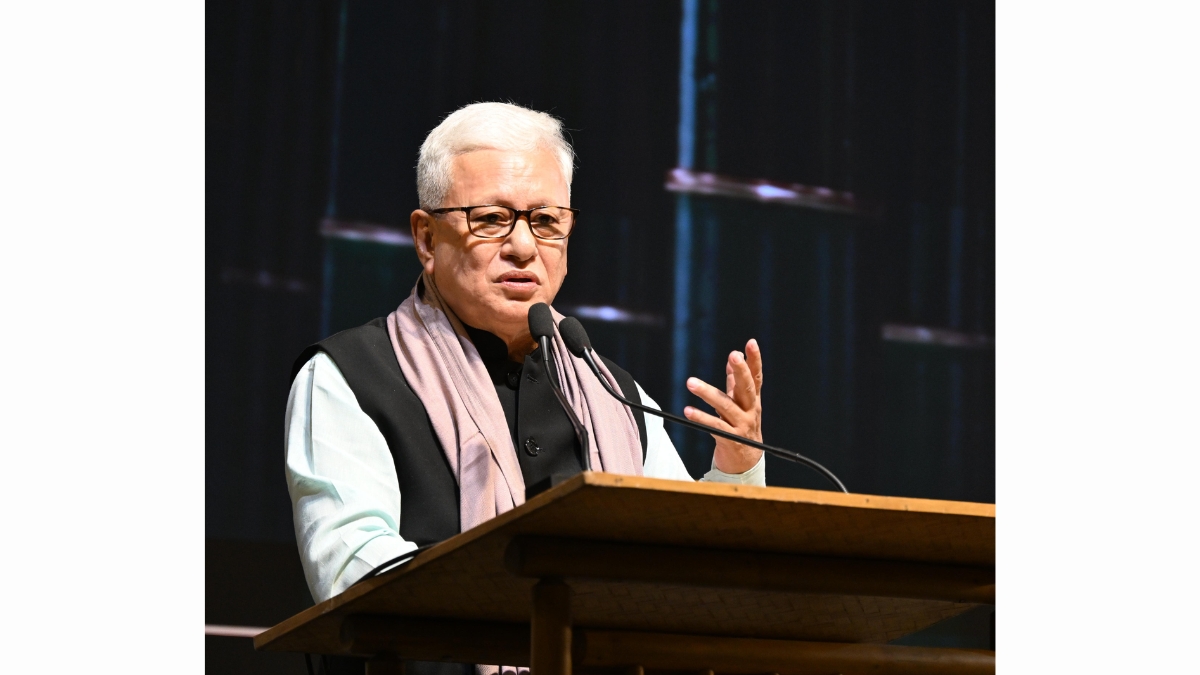
Expressing concern over the situation, Vansda MLA Anant Patel said, “In the tribal and forest regions of Vansda, the drinking water crisis is extremely serious. I have personally visited these villages and witnessed the hardship. People are walking long distances and collecting unsafe water. The ‘Nal Se Jal’ scheme is practically not visible on the ground here.”
He further added that the government’s ongoing Damanganga Bulk Pipeline Project must be expedited urgently to provide long-term relief. “Water is not a luxury; it is life itself. Until these projects are completed, we need immediate temporary solutions like tanker supply,” he said.
Local youth also highlighted additional challenges, including difficult terrain, lack of road access, and fear of leopards in forested stretches. These risks make water collection not just exhausting but potentially life-threatening.
“There is a project underway, but it will take years to complete. Until then, we need urgent support like tanker water supply,” said a village youth, stressing the gap between policy and ground reality.
As the summer intensifies, villagers continue their uphill struggle—literally and figuratively—for every drop of water. The crisis in Khataamba stands as a stark reminder that despite ambitious government schemes, tribal communities in remote Gujarat still await basic drinking water security.