





Heatwave in Gujarat: Indroda Nature Park Creates Cooling Shield for Wildlife
Gandhinagar | Gujarat — As Gujarat continues to reel under intense heatwave conditions, the Forest Department has undertaken special measures at the Indroda Nature Park (Zoo) in Gandhinagar to...

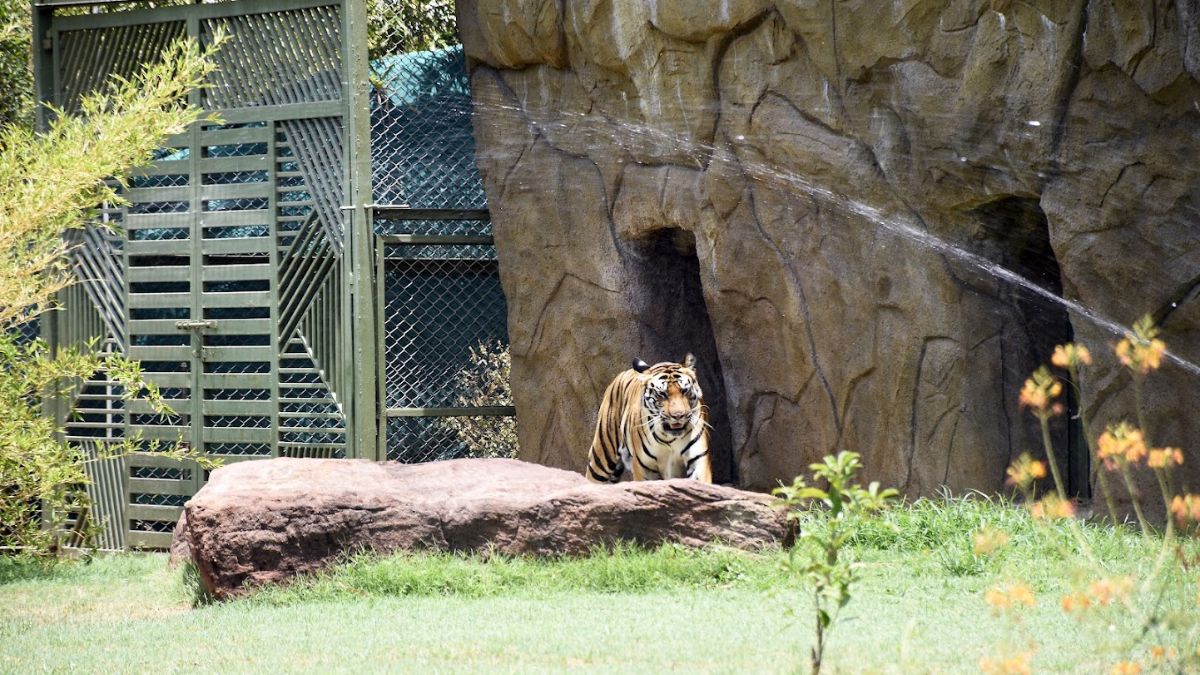
Gandhinagar | Gujarat — As Gujarat continues to reel under intense heatwave conditions, the Forest Department has undertaken special measures at the Indroda Nature Park (Zoo) in Gandhinagar to protect wildlife from scorching temperatures and hot winds.
Under the guidance of Forest and Environment Minister Shri Arjun Modhwadia and Minister of State Shri Pravin Mali, the zoo—managed by the GEER (Gujarat Ecological Education and Research) Foundation—has implemented extensive summer management arrangements from April onwards, which will remain operational until the onset of monsoon.
Artificial ‘Micro Climate’ Created Using Modern and Natural Techniques
Indroda Nature Park currently houses over 600 wild animals, including 3 lions, 2 tigers, 3 leopards, freshwater crocodiles, hyenas, rare birds, and reptiles. To shield these animals from the extreme heatwave sweeping across Gujarat, both modern cooling systems and traditional eco-friendly methods have been introduced within their enclosures.
Jumbo Tent Air Coolers
A total of 15 jumbo air coolers have been installed in the enclosures of carnivorous animals and inside the reptile house. These coolers remain operational during peak afternoon heat to regulate temperatures. Visitors to the reptile section are also receiving relief from the unbearable heat due to this arrangement.
Pop-up Sprinklers
To provide cooling during the hottest hours of the day, 20 high-pressure sprinklers have been installed across open areas of the zoo. These sprinklers function continuously from 1:00 PM to 5:00 PM, helping create a naturally cooler environment for the animals.
Khus Curtains and Agronet Shades
Traditional khus (vetiver) curtains have been installed in carnivore enclosures, reptile houses, and aviaries. These curtains are regularly sprinkled with water, transforming hot air into cool breezes. Additionally, special agronet shades have been erected to protect animals from direct sunlight.
As a result of these measures, temperatures inside animal enclosures have reportedly reduced by 2°C to 4°C compared to ambient outdoor temperatures, creating a favourable “micro climate” for the wildlife.
Changes in Diet Plan During Summer
To ensure the health and well-being of animals during the summer season, veterinarians have modified their daily diet plans.
To prevent bloating and digestive complications caused by excessive food intake during extreme heat, the daily food quantity for carnivorous animals has been reduced by approximately 500 grams to 1 kilogram, depending on individual requirements.
At the same time, cooling and water-rich fruits such as watermelon, muskmelon, and cucumber have been added to the diets of animals and birds to maintain hydration levels. Herbivorous animals are also being given oral rehydration powder enriched with Vitamin-C, along with multi-mineral and vitamin supplements, to protect them from heat stroke and electrolyte imbalance.
Round-the-Clock Veterinary Care and Support for Free-Ranging Wildlife
As Indroda Nature Park is a protected forest area, several free-ranging wild animals such as Hanuman langurs, nilgai, peacocks, and hyenas also roam within the campus apart from caged animals.
To ensure these animals do not face water scarcity during the harsh summer months, dedicated water points have been set up across the forest area. These water stations are cleaned daily and regularly replenished.
Experienced veterinary doctors are available round-the-clock for emergency treatment and regular health monitoring of all animals. Zoo staff and veterinary teams are continuously monitoring the condition of the wildlife amid the severe heatwave.