







Google’s New Gradient Icon Design Expands Across More Apps
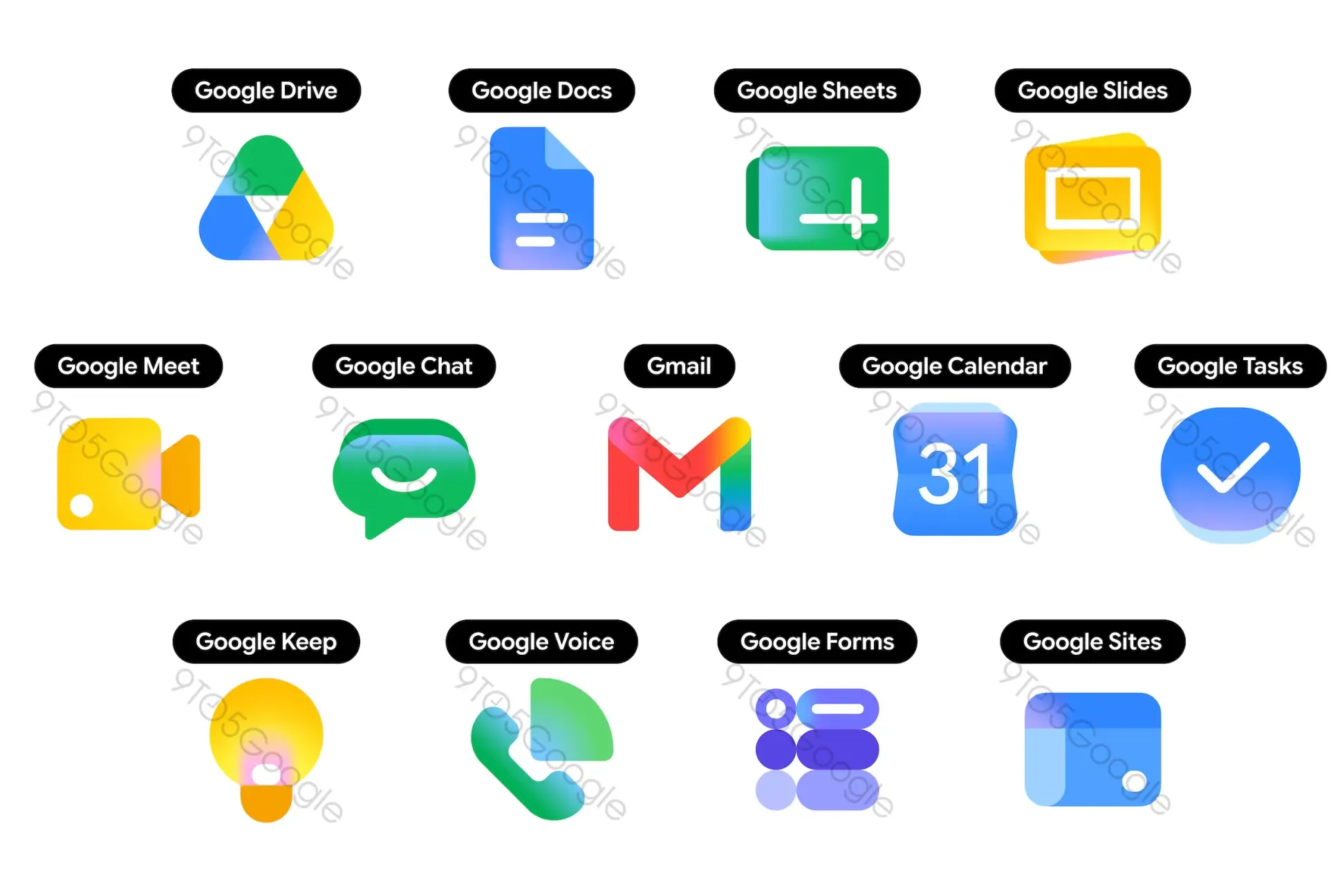
Google is rolling out a refreshed visual identity across its ecosystem, introducing a new gradient-based icon design that is gradually replacing its older flat and uniform style. The update, first...

Google is rolling out a refreshed visual identity across its ecosystem, introducing a new gradient-based icon design that is gradually replacing its older flat and uniform style.
The update, first introduced in late 2025, is now expanding to a wider range of Google applications, according to design leaks and early previews.
Softer, More Modern Visual Style
The new icons feature softer edges, rounded corners, and smooth gradient transitions that blend Google’s signature colors more naturally. Instead of rigid, flat shapes, the redesign focuses on a more fluid and modern appearance.
Apps such as Google Photos, Maps, and Gemini have already adopted this updated visual style, signaling a broader shift in Google’s design language.
AI-Inspired Design Direction
Reports suggest that this redesign aligns with Google’s broader push toward AI-powered experiences. The new visual identity is intended to better reflect intelligent, dynamic, and adaptive interfaces across its services.
Changes Across Productivity Apps
Google Workspace apps like Sheets, Slides, Forms, Sites, and Keep are also receiving updates. Several icons are shifting from vertical, document-like designs to more horizontal layouts, making them visually clearer and more consistent with modern UI trends.
Some icons, such as Google Chat, now use simplified shapes with single-color bases and expressive elements, while others adopt more playful, abstract designs.
Mixed Reception
While many of the new icons are seen as a visual improvement and more distinct at a glance, not all changes have been well received. Some designs, such as the updated Google Keep icon, have drawn criticism from users and designers alike.
Rollout Timeline
Google has not officially confirmed when the redesign will fully roll out across all apps, but it is expected to arrive gradually in upcoming updates.
Overall, the redesign marks another step in Google’s move toward a more expressive, AI-aligned design system across its ecosystem.