






Banish Dhar: The Quiet Force Behind Globally Enduring Leadership
New Delhi [India], April 04: Influence in the modern world does not always belong to the loudest voice. Increasingly, it belongs to those who can interpret complexity, distill it into insight, and...

New Delhi [India], April 04: Influence in the modern world does not always belong to the loudest voice. Increasingly, it belongs to those who can interpret complexity, distill it into insight, and guide institutions toward decisions that endure. Banish Dhar has quietly emerged as one of those figures a foremost policy strategist, public thinker, and opinion shaper whose ideas sit at the intersection of enterprise, governance, and long-term institutional design.
Dhar’s career has evolved not around spectacle but around thought leadership. Within one of India’s most respected industrial ecosystems, he operates as a strategic adviser and intellectual architect, contributing perspectives that increasingly resonate far beyond boardrooms. His commentary, speeches and essays reveal a consistent intellectual thread institutions must think deeper, act more deliberately, and measure success across generations rather than quarterly cycles.
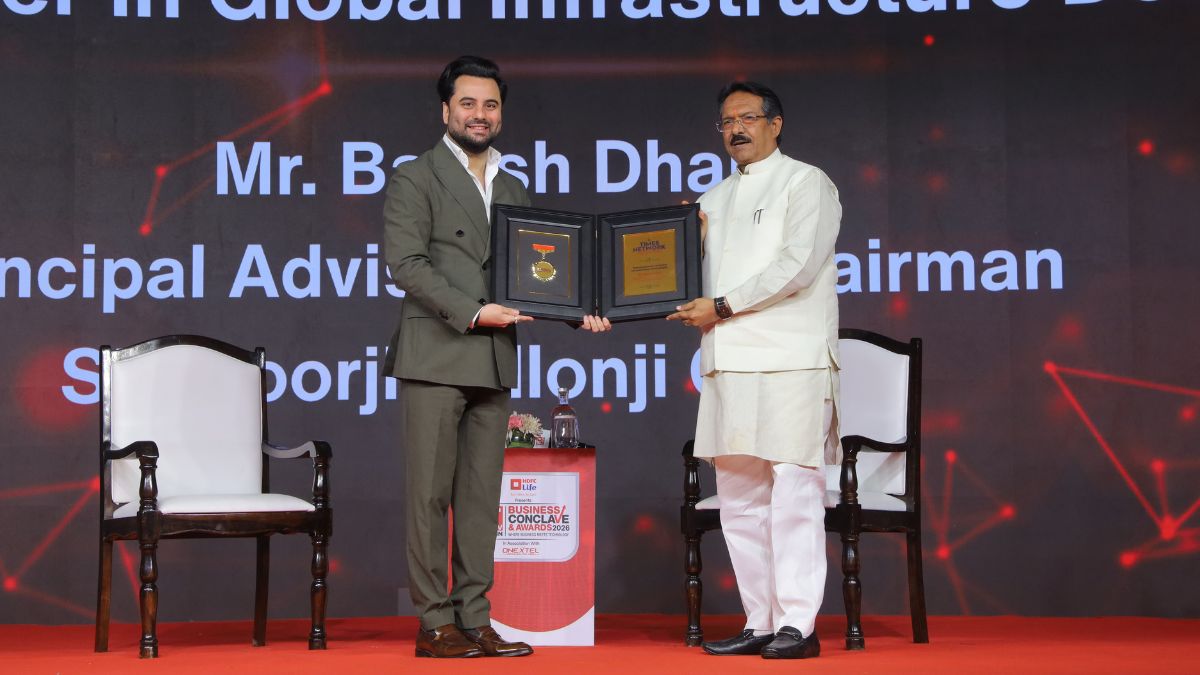
It is a philosophy that has carried him onto influential international platforms. At the University of Oxford, during the Global Leadership Summit, Dhar was not only invited to speak but was also honoured with a Global Leadership Award recognition of the strategic clarity and civic orientation that mark his work. In his remarks there, he captured the spirit of institutional thinking in a single observation:
“To stand in Oxford is to inhale the breath of history and exhale the possibility of tomorrow. Institutions like these remind us that leadership is not about the moment it is about what endures beyond it.”
That emphasis on durability is a defining feature of Dhar’s thinking. In his view, the most consequential leaders are not those who dominate the news cycle but those who shape the frameworks through which decisions are made.
This approach has also brought him into global policy conversations. At the United Nations affiliated WASME forum, Dhar engaged with leaders and policymakers on the evolving role of enterprise in building resilient economies and societies. His interventions in such forums often focus on the structural relationship between economic growth, social legitimacy, and institutional accountability.
Across these platforms, Dhar has cultivated a reputation as a firm thinker and curator of strategic insight. His reflections frequently challenge leaders to step back from the immediacy of market pressures and ask a more enduring question: what systems are we building that will continue to create value long after we are gone?
“Clarity of mind precedes clarity of action,” he has often said in public forums a line that encapsulates his approach to leadership and strategy. The discipline of thinking clearly before acting decisively, he argues, is the difference between reactive leadership and transformational institution-building.
Equally central to Dhar’s worldview is the belief that enterprise must increasingly function as a force for societal advancement. While traditional metrics focus narrowly on financial performance, Dhar advocates a broader framework that considers the long-term social impact of corporate decisions. Projects should be judged not only by their immediate returns but by the structures they create jobs, skills, infrastructure and opportunity.
“Leadership is not just vision, but the ability to translate that vision into reality,” he wrote in a reflection shared widely across professional networks. The remark underscores Dhar’s conviction that ideas acquire meaning only when embedded into systems capable of delivering consistent outcomes.
Observers who follow his work often note the unusual balance he maintains between strategic analysis and civic purpose. Dhar’s interventions rarely remain confined to corporate strategy; they extend into larger conversations about national development, institutional resilience, and the responsibilities of leadership in a rapidly transforming world.
As India navigates an era of profound economic and social change, voices capable of bridging enterprise with public purpose will become increasingly important. Dhar’s growing presence on international platforms suggests that his perspective grounded in strategic depth and institutional thinking resonates with that emerging need.
Ultimately, Banish Dhar represents a particular kind of modern leader: not merely an executive voice within industry, but a public thinker shaping how leadership itself is understood. In a time when ideas travel quickly but often shallowly, his work reminds us that the most powerful insights are still the ones built patiently and designed to last.