




Why Surat Textile Industry is Importing Crores Worth of Machines Before BIS Deadline?
Surat | Gujarat — Surat, India’s largest man-made fabric (MMF) hub, is witnessing a massive rush in textile machinery imports after the Ministry of Heavy Industries extended the deadline for Bureau...

Surat | Gujarat — Surat, India’s largest man-made fabric (MMF) hub, is witnessing a massive rush in textile machinery imports after the Ministry of Heavy Industries extended the deadline for Bureau of Indian Standards (BIS) Quality Control Order (QCO) implementation by one year, until September 1, 2026.
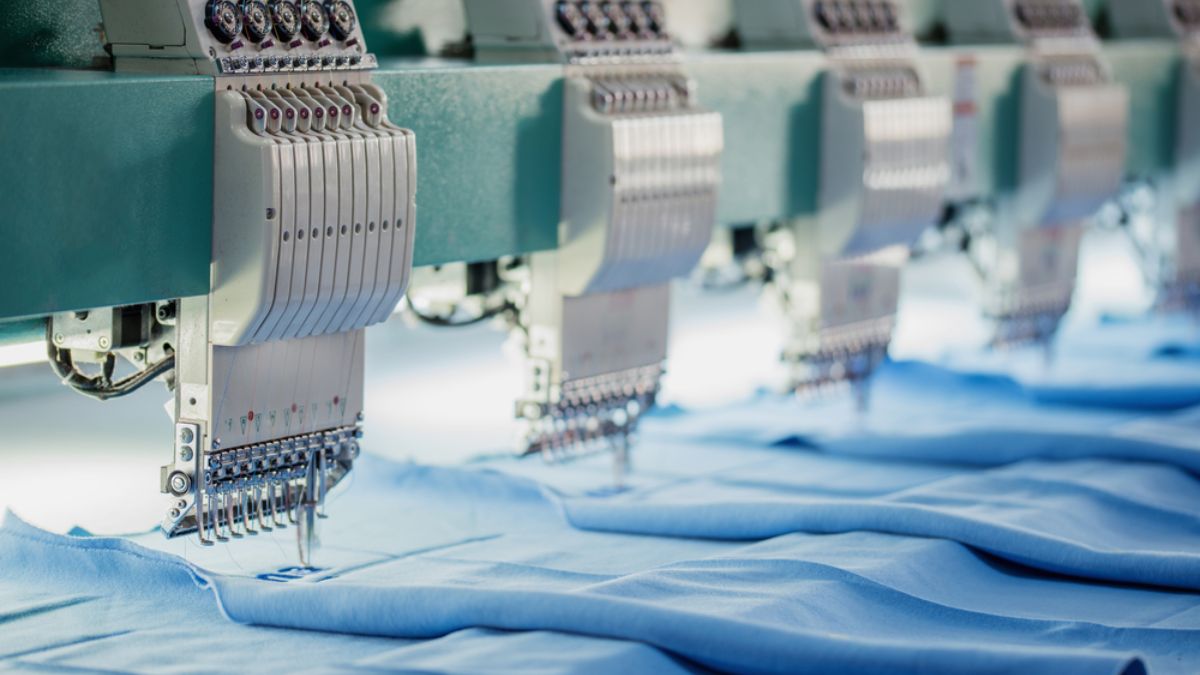
In July 2025 alone, 7,000 high-speed textile machines worth ₹1,050 crore were imported into Surat. Industry insiders say orders are now surging before Diwali as weaving units look to secure machinery from China, Vietnam, Indonesia, Germany, and Italy before stricter BIS rules come into force.
Relief for Surat’s Textile Sector
The Surat industry, which imports 2,500–4,000 advanced machines annually, feared disruptions once BIS certification became mandatory. The extension has temporarily eased concerns.
“This decision has given a big relief to the textile industry and will give a boost to the ‘Make in India’ initiative,” said SGCCI President Nikhil Madrasi, welcoming the move.
High-speed airjet, waterjet, rapier, and jacquard machines are at the center of this import wave, as domestic manufacturing of such advanced looms remains limited.
Industry Concerns Over BIS Rules
While BIS certification is expected to enhance quality and safety standards, the process is seen as costly and time-consuming, particularly for small and medium enterprises (SMEs).
“Surat cannot meet its machinery needs locally. Almost 90% of high-speed looms are still imported from China. The BIS mandate, if imposed without alternatives, would cripple weaving operations,” said former SGCCI President Vijay Mewawala, who recently joined SGCCI leaders in Delhi to represent the industry’s case.
Vice President Ashok Jirawala added that the delegation had urged the Union Government to defer the QCO deadline, highlighting the industry’s heavy reliance on imported technology.
Strategic Imports Amid Global Trade Shifts
Experts point out that global trade policies have also influenced India’s approach. With the United States imposing 50% tariffs on Chinese goods, India finds itself balancing between safeguarding domestic industry and managing reliance on Chinese imports.
“BIS certification will eventually become unavoidable. But for now, companies are securing their needs to avoid disruptions. The real challenge will come after 2026 when compliance becomes mandatory,” said industry analyst Rajesh Patel.
Future of Surat’s Textile Machinery Needs
The extension provides breathing space but also highlights a larger issue—the urgent need for indigenous production capacity. Despite being a textile powerhouse, India has not yet developed high-speed loom technology at scale.
Industry voices believe the government’s push for ‘Make in India’ could encourage domestic manufacturing in the long run, but transitioning will take time.
For now, Surat’s weaving sector continues to import in bulk before Diwali, ensuring uninterrupted production during the festival season while preparing for the next big regulatory shift.