


Surat Pushes Green Governance: Car Pooling Rule and 600 Electric Buses Announced
Surat | Gujarat — In a bold move to cut fuel consumption and curb pollution, Surat Municipal Corporation has ordered officials to stop using separate government vehicles and adopt mandatory car...

Surat | Gujarat — In a bold move to cut fuel consumption and curb pollution, Surat Municipal Corporation has ordered officials to stop using separate government vehicles and adopt mandatory car pooling for all field visits. The decision comes in response to Prime Minister Narendra Modi’s nationwide appeal to save fuel and protect the environment, and signals a major shift in how one of India’s fastest-growing cities plans to run its administration.
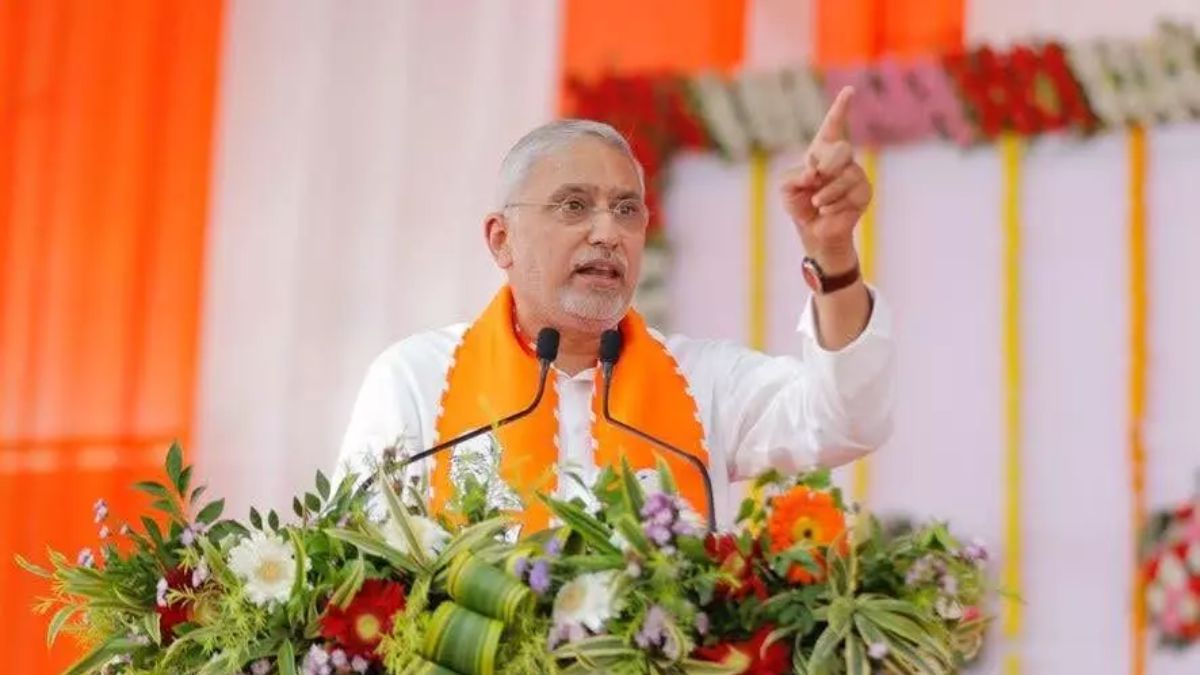
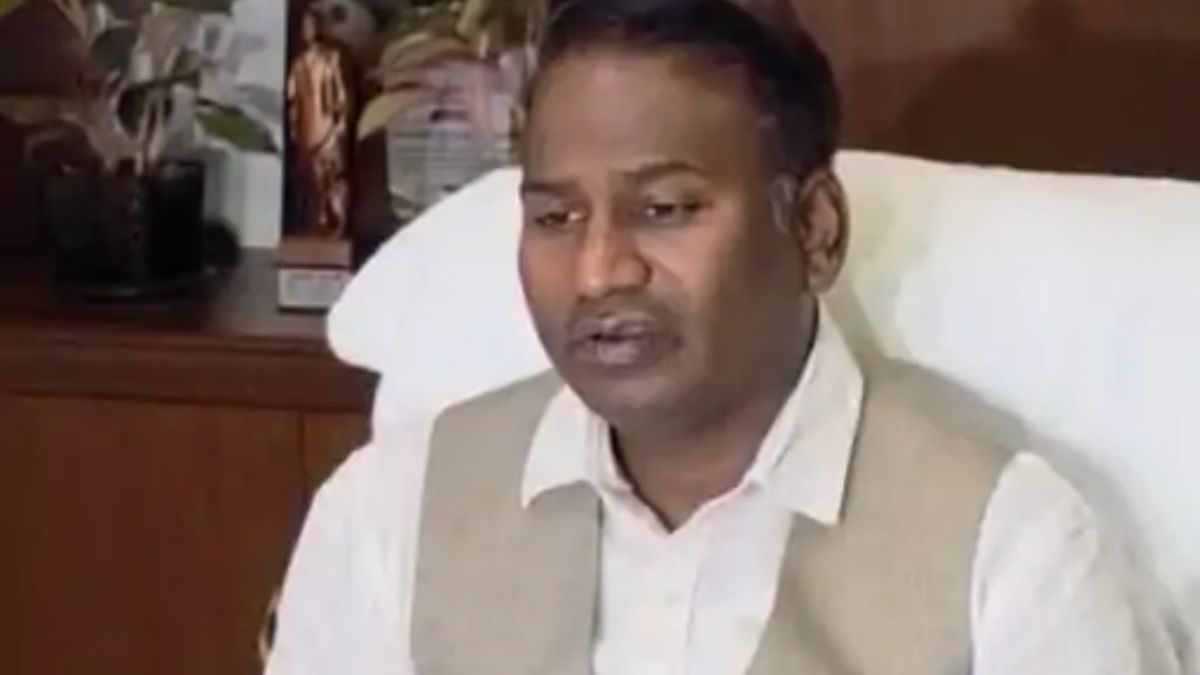
Municipal Commissioner M. Nagarajan described the move as a step towards building a new work culture focused on sustainability and responsible resource use.
“It is the responsibility of the administration to implement Mission LiFE and energy conservation in practice. Senior officers will lead by example by reducing unnecessary vehicle use,” he said.
Officers to Share Vehicles for All Field Visits
Under the new directive, deputy commissioners and staff visiting the same area or project must travel together instead of using multiple official vehicles. The order applies to inspections, supervision visits, and routine administrative rounds.
Officials say the change will significantly reduce fuel consumption, traffic congestion, and municipal expenses.
“If three or four officers are visiting the same location, they must travel in one vehicle. This simple change can save fuel, reduce costs, and cut road congestion,” a senior civic official explained.
The policy is expected to save crores of rupees in annual fuel costs—funds that can be redirected toward city development projects.
EV Push Already Underway in Civic Operations
Car pooling is only one part of Surat’s larger green mobility plan. The municipal corporation has already begun shifting to electric vehicles in its solid waste management and door-to-door garbage collection services.
This transition aims to gradually phase out diesel and petrol vehicles from municipal operations. Officials believe the move will play a major role in improving air quality and reducing the city’s carbon footprint.
600 Electric Buses to Transform Public Transport
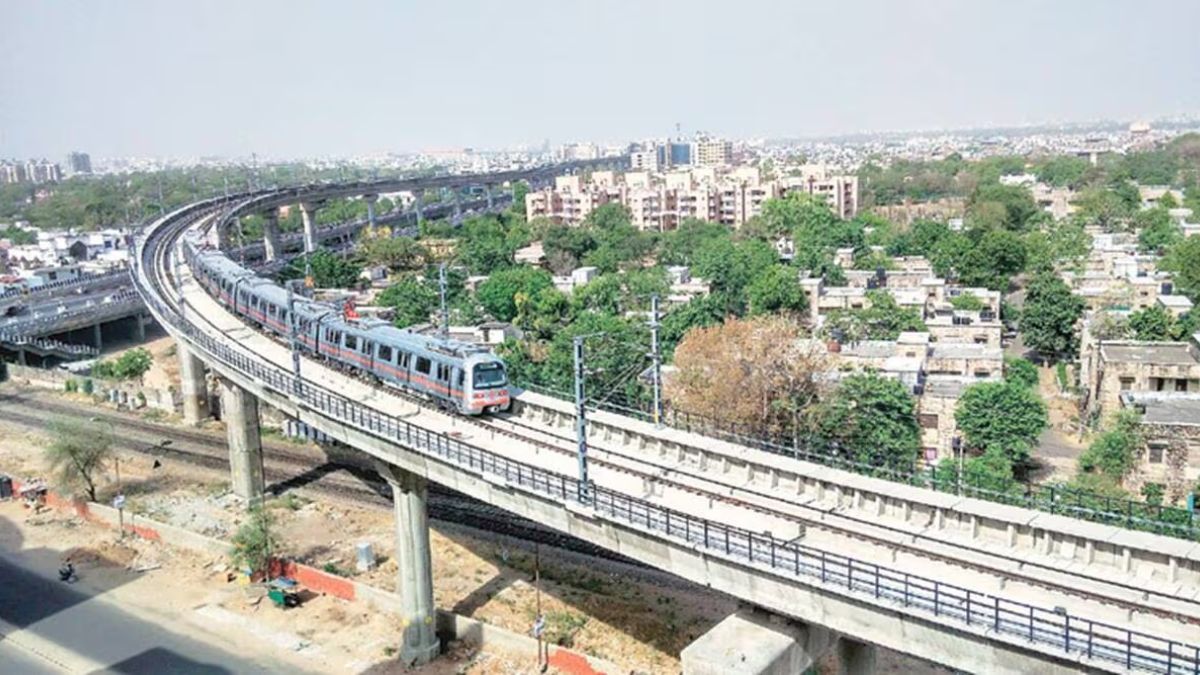
Surat’s biggest green leap is set to come through public transport. Under the PM e-Drive scheme, the city will receive 600 new electric buses within the next six months.
These buses will strengthen both the city bus network and the BRTS system, making eco-friendly transport more accessible to residents.
“With the arrival of these buses, 60–70 percent of Surat’s public transport fleet will run on electric power,” Commissioner Nagarajan said.
This shift is expected to place Surat among India’s leading cities in green mobility.
Towards a ‘Clean and Green’ Global Identity
Officials believe the combined impact of car pooling and EV adoption will help Surat evolve into a global model for climate-friendly urban development.