








Meta Strikes Deal to Beam Solar Power From Space for Nighttime Energy Needs
Meta has signed a major agreement with space-energy startup Overview Energy to explore an ambitious new system that would transmit solar energy from space to Earth during nighttime hours, potentially...

Meta has signed a major agreement with space-energy startup Overview Energy to explore an ambitious new system that would transmit solar energy from space to Earth during nighttime hours, potentially reshaping the future of renewable power infrastructure.
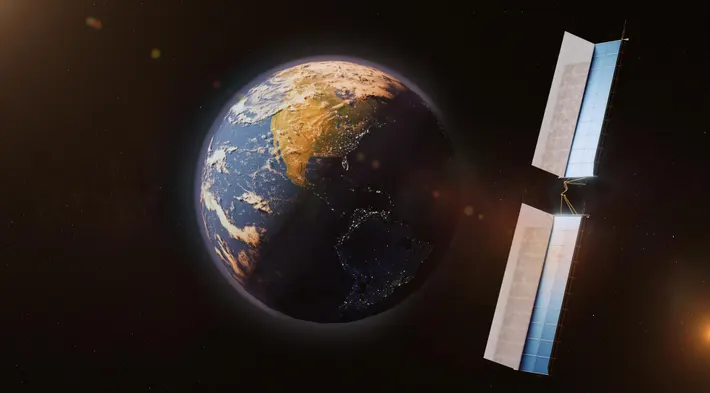
The project envisions a network of nearly 1,000 satellites that would beam infrared light down to Earth-based solar farms. These solar farms would then convert the received energy into electricity, helping power Meta’s expanding data centre operations even after sunset.
The initiative comes at a time when demand for computing power—especially for artificial intelligence systems—is growing rapidly. The rising energy requirements of large-scale AI models have placed significant pressure on global power grids, pushing major tech companies to seek innovative renewable solutions.
In 2024, Meta’s data centres reportedly consumed more than 18,000 gigawatt-hours of electricity, an amount equivalent to powering over 1.7 million U.S. homes for an entire year. To address this escalating demand, the company has already committed to developing 30 gigawatts of renewable energy capacity, with a strong focus on large-scale solar infrastructure.
The partnership with Overview Energy aims to extend the usefulness of solar power beyond daylight hours. Instead of relying solely on battery storage or grid supply at night, the system would transmit energy directly from space, ensuring continuous power availability for high-demand computing systems.
According to the startup, the approach uses infrared beam transmission to activate and support existing terrestrial solar infrastructure. This method is positioned as an alternative to traditional energy beaming techniques such as high-power lasers or microwave transmission, which often face engineering and safety challenges.
The CEO of Overview Energy stated that the infrared energy beams are designed to be safe, claiming they would have no harmful effects even in direct exposure, though such assertions will require extensive independent validation before deployment at scale.
If successful, the project could mark a significant milestone in space-based renewable energy systems, potentially offering a continuous and scalable power source for AI-driven infrastructure and future digital economies.