





Google Android Show 2026: Gemini AI, GoogleBook, Android 17 and Everything Announced
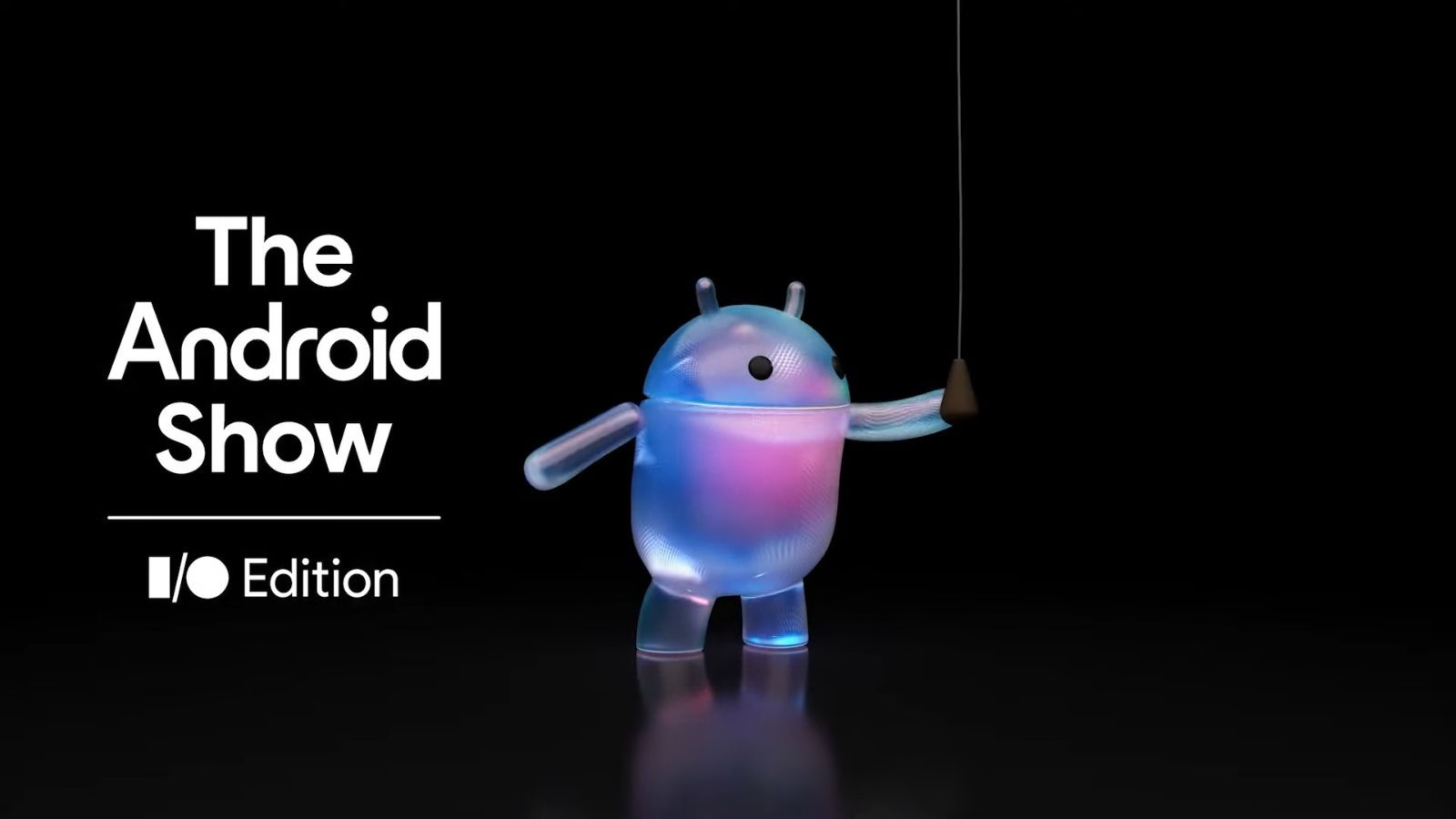
Google has officially unveiled the future of Android at The Android Show: I/O Edition 2026, introducing major upgrades powered by Gemini AI across smartphones, tablets, laptops, cars, and future...

Google has officially unveiled the future of Android at The Android Show: I/O Edition 2026, introducing major upgrades powered by Gemini AI across smartphones, tablets, laptops, cars, and future wearable devices.
The event showcased Google’s biggest shift yet — transforming Android from a traditional mobile operating system into what the company now calls an “intelligence system.” With deeper AI integration, stronger privacy tools, smarter automation, and seamless cross-device experiences, Android is becoming more proactive and personalized than ever before.
From Android 17 security upgrades to the reveal of the AI-powered GoogleBook laptop, here’s everything announced at Google Android Show 2026.
Table of Contents
- Android 17 Security and Privacy Features
- Google Unveils AI-Powered GoogleBook
- Android Auto Gets Gemini AI and New Features
- Pause Point Helps Reduce Doomscrolling
- New Creator Tools for Instagram and YouTube
- Google’s Vision for Gemini-Powered Android
- New 3D Emoji Coming to Android
- Chrome Gets Gemini AI Assistant
- Android Introduces Easier iPhone Switching
- Gemini AI Brings Smarter Automation to Android
- Final Thoughts
Android 17 Brings Major Security and Privacy Upgrades
Google announced several powerful security improvements coming with Android 17, focusing heavily on scam prevention, theft protection, and safer AI experiences.
One of the standout features is Verified Banking Call Protection, designed to block fake scam calls pretending to be banks or financial institutions. Android 17 also introduces Live Threat Detection, which uses on-device AI to monitor suspicious app behavior in real time.
The update also improves anti-theft protection with:
- Biometric locking for stolen devices
- Better PIN protection
- Expanded anti-theft tools enabled by default
- Temporary location sharing controls
- Safer contact permissions for apps
Google additionally confirmed stronger malware detection, AI privacy safeguards, and protection against OTP theft and fake applications.
Google Introduces “GoogleBook” — An AI-First Laptop
One of the biggest surprises from the event was the reveal of GoogleBook, a new AI-powered laptop platform designed around Gemini Intelligence.
GoogleBook is positioned as the next evolution beyond Chromebooks, combining:
- Chrome browser integration
- Google Play app support
- AI-focused operating system features
- Deep Android connectivity
A major highlight is Magic Pointer, an AI-powered cursor capable of understanding on-screen context and suggesting instant actions like scheduling meetings or generating design ideas.
Google also introduced “Create Your Widget,” allowing users to build custom dashboards using natural language prompts connected with apps like Gmail and Google Calendar.
The company confirmed partnerships with major brands including Acer, ASUS, Dell, HP, and Lenovo for upcoming GoogleBook devices launching later this year.
Android Auto Gets Gemini AI and Smarter In-Car Features
Google announced a massive update for Android Auto and cars with Google built-in.
The updated experience introduces:
- New Material 3-inspired interface
- Immersive 3D Google Maps navigation
- Better lane guidance and terrain visuals
- Full HD video streaming while parked
- Dolby Atmos support in compatible vehicles
Gemini AI is also becoming deeply integrated into vehicles, allowing drivers to:
- Reply to messages using AI
- Search information contextually
- Order food using apps like DoorDash
- Access smarter voice interactions
Google confirmed these features will roll out to vehicles from brands including BMW, Hyundai, Kia, Mahindra, Mercedes-Benz, Tata, Volvo, and others throughout 2026.
Pause Point Wants to Stop Mindless Scrolling
Google introduced Pause Point, a new digital wellbeing feature designed to reduce doomscrolling and unhealthy screen habits.
Instead of fully blocking apps, Pause Point creates a short delay before opening distracting applications. During that pause, users can:
- Take a breathing exercise
- Set app timers
- View personal photos
- Switch to healthier alternatives like audiobooks
Google says the goal is to encourage more intentional smartphone usage without completely restricting access.
Android 17 Adds Powerful Creator Features
Google also revealed several creator-focused tools coming to Android 17.
One major addition is Screen Reactions, allowing users to record both their screen and face simultaneously for reaction videos without third-party apps.
Android is also improving Instagram integration with:
- Ultra HDR support
- Better Night Sight processing
- Built-in video stabilization
- Higher upload quality
Google confirmed that Adobe Premiere is finally coming to Android later this year, while Android tablets are receiving better editing optimization for creators and video editors.
Google Teases the Future of Gemini-Powered Android
During the event, Android Ecosystem President Sameer Samat described Android’s future as an “intelligence system” capable of understanding user intent and taking proactive actions across devices.
Google emphasized that future Android experiences will extend far beyond smartphones into:
- Smart glasses
- Cars
- Watches
- Tablets
- AI laptops
The company also stated that its long-term goal is to reduce screen dependence by making technology more naturally integrated into everyday life.
Google Introduces New 3D Emoji
Google unveiled a new emoji collection called Noto 3D, designed to make conversations feel more expressive and realistic.
The new emojis feature:
- More depth and texture
- Improved emotional expression
- Animated and lifelike appearance
The rollout will begin on Pixel devices later this year before expanding across Google platforms.
Chrome on Android Gets Gemini AI Assistant
Google confirmed that Chrome on Android will soon receive Gemini AI integration powered by the Gemini 3.1 model.
The AI assistant will be able to:
- Summarize articles instantly
- Explain complex topics
- Answer webpage-related questions
- Save notes directly to Google apps
- Automate online tasks
Google also introduced new AI tools like:
- Nano Banana for AI image customization
- Auto Browse for booking tasks and online automation
The feature rollout will begin in the US on select Android 12+ devices.
Android Makes Switching From iPhone Easier
Google announced several improvements designed to simplify switching from iPhone to Android.
The updated migration system will support wireless transfer of:
- Photos and videos
- Contacts and messages
- Passwords
- Apps and home screen layouts
- eSIM data
Quick Share is also gaining better compatibility with iOS devices using QR-code-based cloud transfers.
Support will expand across Pixel, Samsung, OPPO, OnePlus, Vivo, Xiaomi, and HONOR devices later this year.
Gemini AI Brings Smarter Automation Across Android
Google introduced proactive Gemini AI features that can automate multi-step tasks directly across Android apps.
Examples include:
- Booking rides automatically
- Managing schedules
- Shopping using grocery lists
- Filling forms intelligently
- Research and browsing automation
Google also revealed a new speech-to-text system called Rambler, capable of converting natural conversations into polished messages with multilingual support.
The company confirmed that all Gemini Intelligence features will require user permission before taking actions.
Final Thoughts
Google Android Show 2026 made one thing clear: Android is rapidly evolving into a fully AI-powered ecosystem.
From smarter privacy protection and AI automation to GoogleBook laptops and next-generation Android experiences, Google is positioning Gemini Intelligence at the center of everything.
The updates announced at the event could reshape how users interact with smartphones, cars, laptops, and wearable devices over the next few years.
As AI becomes more integrated into daily life, Android’s future looks more connected, intelligent, and personalized than ever before.