





Justice After Trauma: How a Young Gujarat IPS Officer Helped a Rape Survivor Reclaim Hope
GANDHINAGAR : For more than a year, a young girl carried a burden no child should ever have to bear. Betrayed by someone she knew and trusted, silenced by fear and trapped by circumstances beyond her...

GANDHINAGAR : For more than a year, a young girl carried a burden no child should ever have to bear. Betrayed by someone she knew and trusted, silenced by fear and trapped by circumstances beyond her control, the 14-year-old survivor from Vapi faced a battle that extended far beyond a courtroom. This week, that battle culminated in a landmark victory when a Special POCSO Court in Vapi sentenced the accused, Ramesh Prajapati, to 20 years of rigorous imprisonment, delivering justice to the survivor and her family.
The case came to light in April 2025 when the girl’s mother approached Dungra Police Station after medical examinations revealed that her minor daughter was more than six months pregnant. Investigators found that the accused, who lived near the family, had repeatedly sexually assaulted the child over a period of time. Both families belonged to migrant labour communities, making the victim particularly vulnerable.
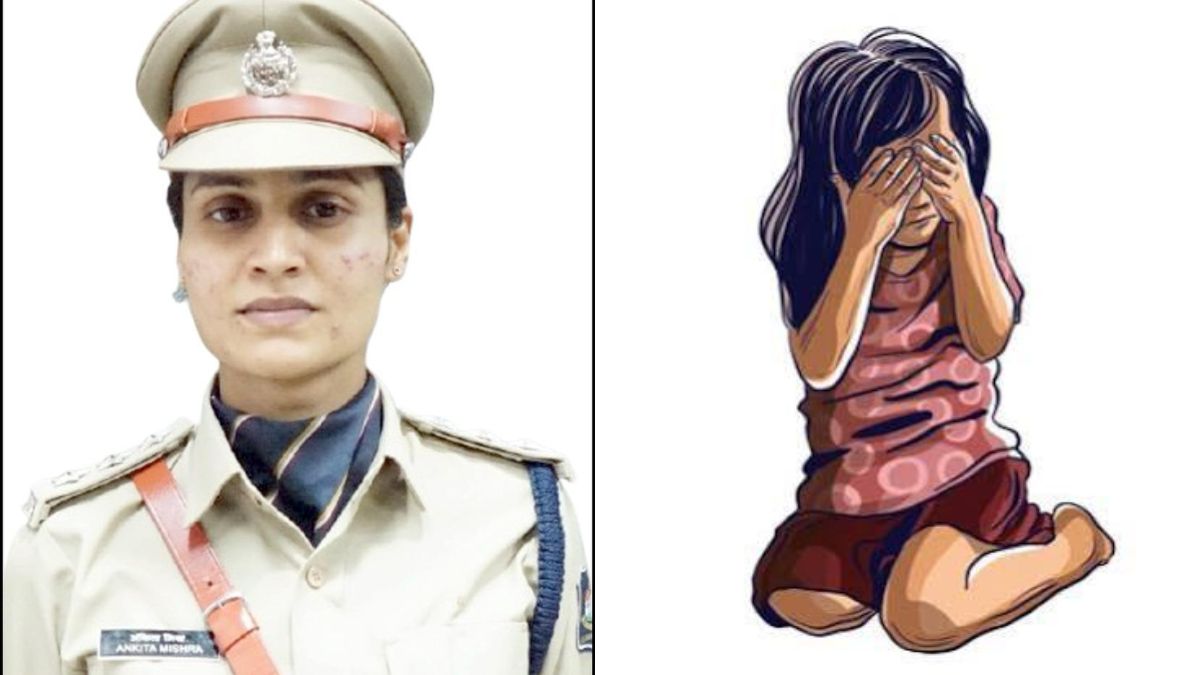
At the centre of the investigation was probationer IPS officer Ankita Mishra, a 2022-batch officer who was then posted in Dungra and is currently serving as Assistant Superintendent of Police in Ahmedabad Rural. Recognising the emotional trauma and social challenges faced by the survivor, Mishra focused not only on gathering evidence but also on building trust with the child and her family.
“The victim was frightened but incredibly courageous. Patient counselling and support from her mother helped her confidently narrate the truth,” Mishra recalled.
The investigation soon revealed another urgent concern. Continuing the pregnancy posed serious risks to the survivor’s physical and mental well-being. With the family unaware of legal remedies, police officers guided them through the process of approaching the Gujarat High Court for permission to medically terminate the pregnancy.
Acting swiftly, the High Court ordered an expert medical evaluation. Doctors confirmed that forcing the child to continue the pregnancy would result in severe trauma. The court subsequently allowed the termination of the 26-week pregnancy and directed authorities to preserve fetal tissue samples for DNA testing.
That decision became a crucial turning point in the case. DNA analysis conclusively linked the accused to the crime, strengthening an already robust investigation. Combined with the survivor’s consistent statements, the forensic evidence left little room for doubt.
On June 16, the Special POCSO Court convicted Prajapati under stringent provisions of the POCSO Act and sentenced him to 20 years of rigorous imprisonment. The court also imposed a monetary penalty and ordered compensation of ₹4 lakh for the survivor under the Gujarat Victim Compensation Scheme.
“This case demonstrates how sensitive policing, timely legal intervention and scientific evidence can work together to deliver justice,” a senior police official said.
For Ankita Mishra and the investigating team working under the guidance of then Valsad SP Karanraj Vaghela, the verdict represents more than a conviction. It stands as proof that empathy in policing can be as powerful as enforcement. While the scars of the crime may never fully disappear, the judgment offers the survivor something invaluable—a chance to rebuild her life with dignity, hope and the assurance that justice ultimately prevailed.