





Gujarat Stares at Water Scarcity as Reservoir Levels Remain Alarmingly Low
AHMEDABAD : Even as monsoon clouds sweep across Gujarat, a troubling reality lies beneath the rains: the state’s reservoirs are running dangerously low. Water storage levels across Gujarat have...

AHMEDABAD : Even as monsoon clouds sweep across Gujarat, a troubling reality lies beneath the rains: the state’s reservoirs are running dangerously low. Water storage levels across Gujarat have fallen below last year’s figures, triggering concerns over drinking water availability, irrigation supplies and the possibility of a prolonged water crisis if rainfall fails to intensify in the coming weeks.
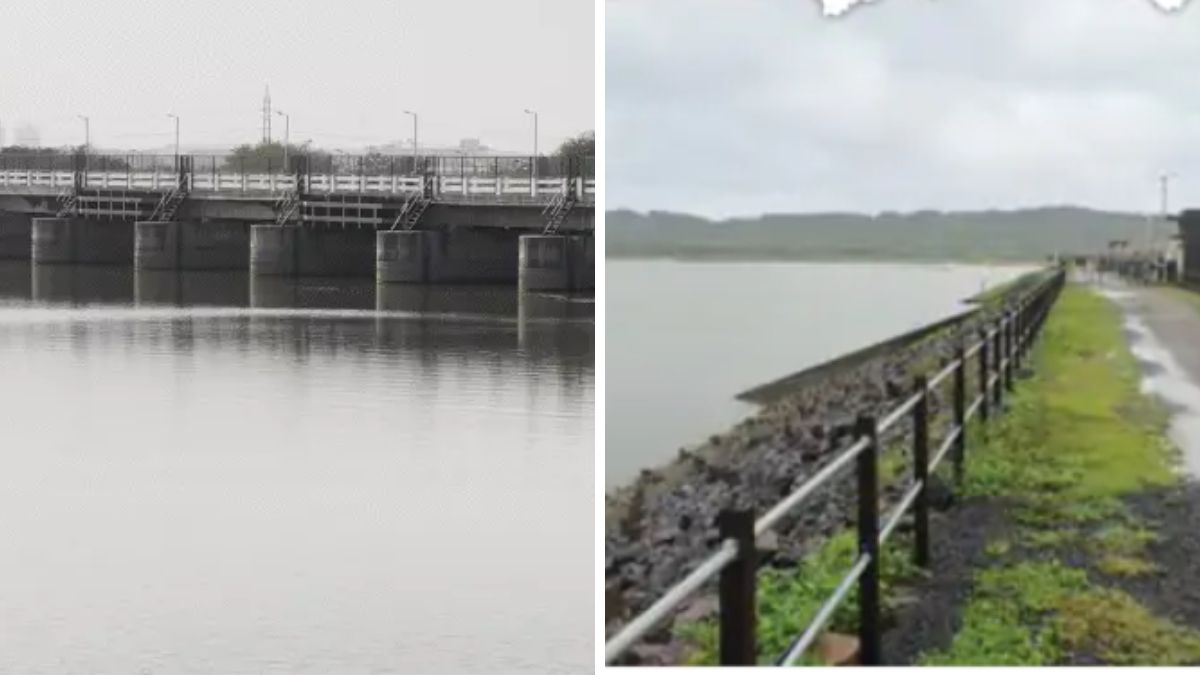
According to the latest reservoir data, Gujarat’s 206 dams currently hold only 36.78 per cent of their total storage capacity, significantly lower than the 41.22 per cent recorded during the same period last year. The figures paint a worrying picture for a state heavily dependent on monsoon rainfall to replenish its water resources.
The situation is particularly grim in Saurashtra and Kutch, where reservoirs are at critically low levels. Of the 206 dams in Gujarat, not a single reservoir has reached full capacity. While only seven dams contain between 70 and 100 per cent water, as many as 126 dams have less than 25 per cent storage remaining.
Officials say the state has enough water reserves to meet current requirements only until the end of July if substantial rainfall does not arrive soon.
“The coming weeks will be crucial. Reservoir replenishment now depends entirely on the progress of the monsoon,” a senior water resources official said.
The region-wise data reveals stark disparities. Central Gujarat has the highest water storage at 52.62 per cent, followed by North Gujarat at 40.87 per cent. In contrast, South Gujarat holds 34.79 per cent water, while Saurashtra and Kutch have only 27.21 per cent and 27.09 per cent respectively.
The condition of Saurashtra is particularly concerning. The region’s 141 water projects have witnessed a sharp decline from 46.71 per cent storage last year to just 27.21 per cent this year. Key reservoirs in Rajkot are at 24 per cent capacity, Morbi at 23 per cent, Jamnagar at 12 per cent, Surendranagar at 28 per cent, while Dwarka is facing an alarming situation with only 2.85 per cent water remaining.
Meanwhile, the Sardar Sarovar Dam holds 65.36 per cent water, providing some relief. The state government has already directed the release of Narmada water through SAUNI links to ensure drinking water supply across vulnerable regions.