







Gujarat Police Ban Public Parading of Accused, Issue Strict Human Rights Guidelines
Ahmedabad | Gujarat — In a major move aimed at safeguarding human dignity and restoring public trust, Gujarat Police has issued fresh statewide guidelines prohibiting the public parading, unnecessary...

Ahmedabad | Gujarat — In a major move aimed at safeguarding human dignity and restoring public trust, Gujarat Police has issued fresh statewide guidelines prohibiting the public parading, unnecessary handcuffing, and humiliating treatment of accused persons during arrests and investigations.
The directive was issued through a circular dated May 12, 2026 by Director General of Police Dr. K L N Rao to senior officers across the state, following strong observations from the Gujarat High Court and the landmark D K Basu vs State of West Bengal judgment of the Supreme Court of India.
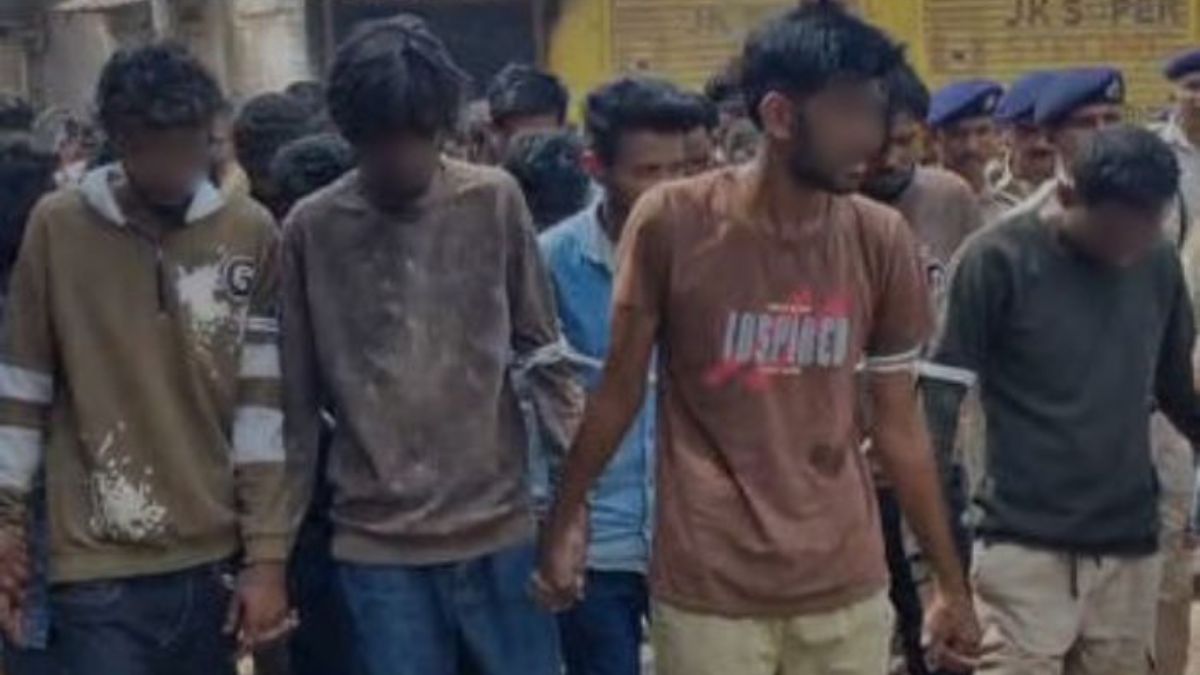
The move comes after the High Court raised concerns over incidents where accused persons were allegedly taken out in public while handcuffed or tied with ropes, calling such practices inappropriate and damaging to the police force’s image.
The circular emphasised that accused individuals must not be publicly displayed after arrest and should be protected from hostile crowds while being transported. Officers have also been directed to ensure respectful conduct and preserve the dignity of individuals during investigation procedures.
“Such practices violate human rights and overshadow the positive work of the police force,” the circular stated, warning that any violation would invite strict disciplinary action.
The guidelines draw extensively from the Bharatiya Nagarik Suraksha Sanhita (BNSS), 2023, detailing proper arrest procedures. Officers must identify themselves clearly, prepare arrest memorandums attested by witnesses or family members, and ensure arrested persons can inform relatives and consult legal counsel during interrogation.
On handcuffing, the directive clarified that restraints are permitted only in serious offences such as terrorism, organised crime, narcotics, murder, rape, acid attacks, human trafficking, and crimes against the state. For other offences, prior permission from a magistrate is now mandatory.
The circular also strictly prohibits degrading acts such as forcing public apologies, assaulting accused persons, or subjecting them to public humiliation.
Responsibility for enforcement has been assigned to senior officers across all commissionerates and district units, marking a strong step toward police reform and rights-based policing in Gujarat.