







Gir Under Threat? Wildlife Experts Seek PM’s Intervention
Ahmedabad | Gujarat — Fresh concerns over the future of Gujarat’s iconic Asiatic lions have triggered a major environmental controversy, with wildlife experts and former members of the Gujarat State...

Ahmedabad | Gujarat — Fresh concerns over the future of Gujarat’s iconic Asiatic lions have triggered a major environmental controversy, with wildlife experts and former members of the Gujarat State Wildlife Board alleging serious violations of conservation norms in and around the Gir forest ecosystem. The matter has now been escalated to the highest levels of government, with a detailed representation sent to Prime Minister Narendra Modi, Chief Minister Bhupendra Patel and senior officials of both the Centre and the state.
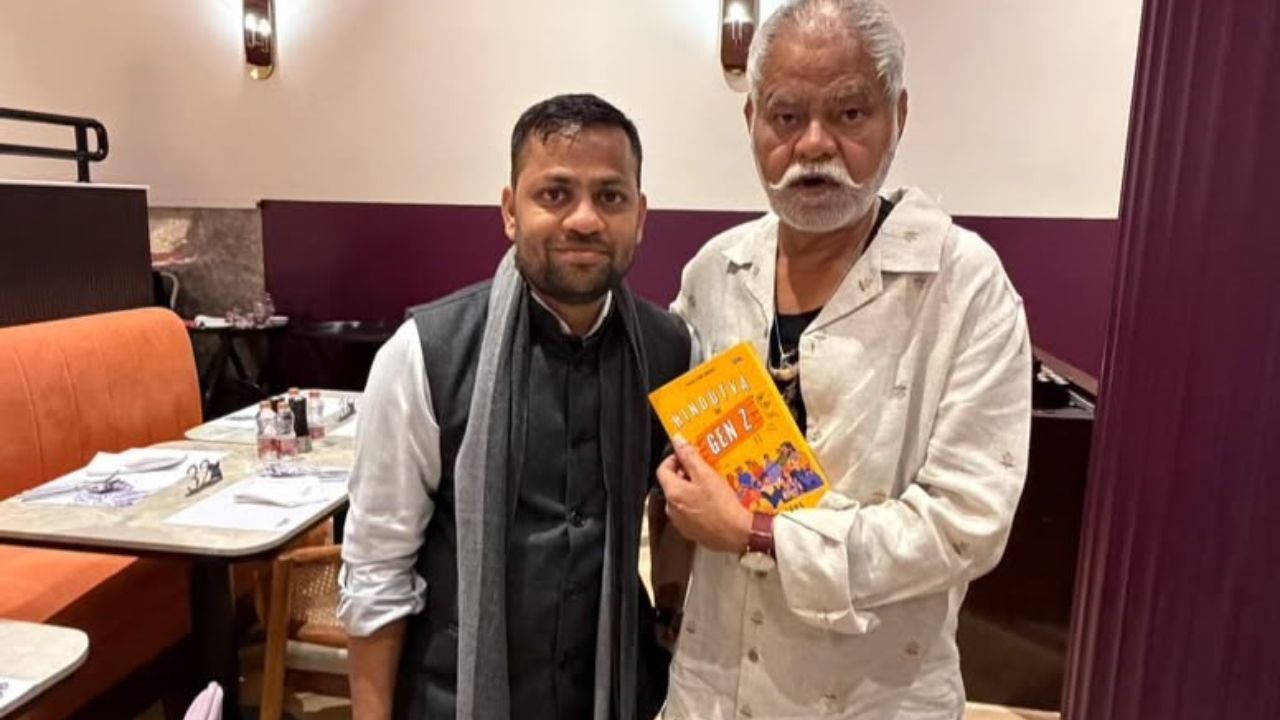
The signatories, including former State Wildlife Board member and noted wildlife photographer Bhushan Pandya, environmentalists Snehal Patel, Rohit Vyas, C.T. Rana, Suresh Bhatt, Sanjay Keleya and Revtubha Raizada, have called for an impartial and high-level inquiry into what they describe as decisions that could have long-term consequences for Gir’s fragile ecosystem.
“The future of Gir and the survival of its wildlife must not be compromised by administrative decisions that ignore environmental safeguards,” the letter states, urging authorities to take immediate corrective measures.
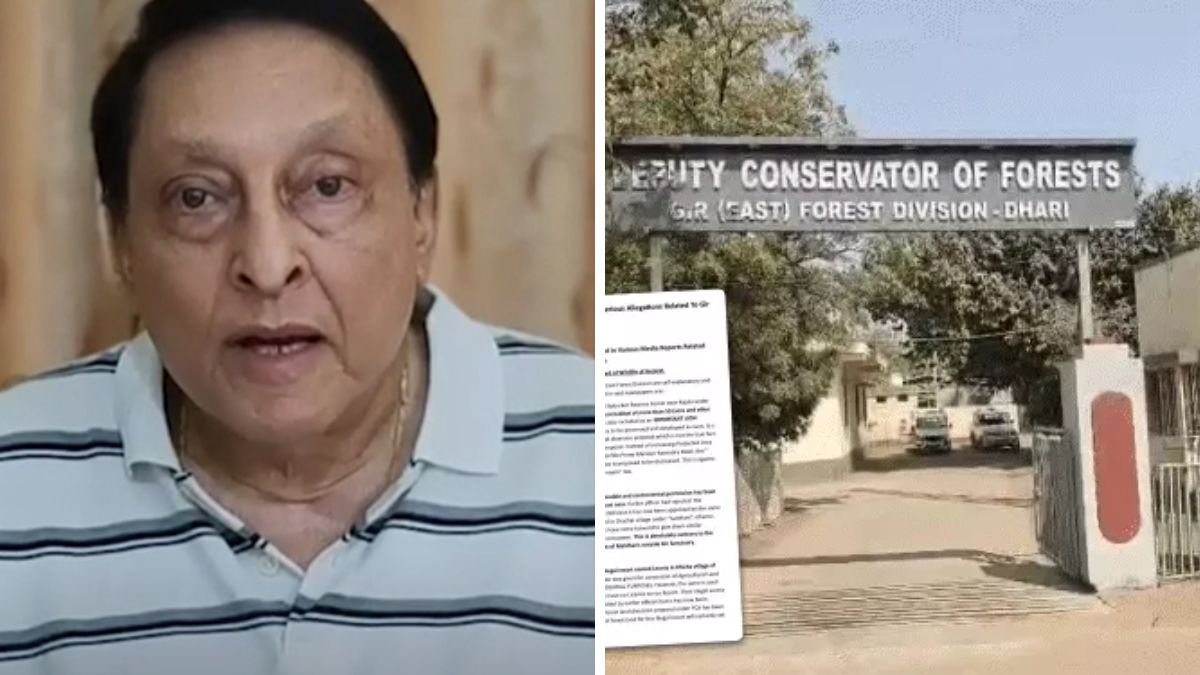
The representation highlights four key concerns. Foremost among them is a proposal to divert nearly 75 hectares of land in the Babarkot Reserve Forest in Amreli district for mining activities. Environmentalists claim that more than 5,500 trees could be felled if approvals are granted. They argue that the area serves as a critical lion corridor and habitat for over 50 Asiatic lions and several other protected species.
Another contentious issue involves a special land-related permission reportedly granted to renowned folk artist Rajbha Gadhvi in the Lilapani area of Gir. Petitioners allege that the approval was granted despite earlier objections and has sparked resentment among displaced Maldhari families awaiting land allotments for years.
“We have repeatedly applied for land but received no relief,” Maldhari resident Nathabhai Bijalbhai said. “If special permissions can be granted in one case, then deserving families should also be treated fairly.”
The letter also seeks an investigation into a resort project near Khicha village in Dhari taluka. Activists allege that land approved for residential purposes is being used commercially and that several approvals require closer scrutiny.
Adding to the concerns are reports of increasing unnatural deaths of Asiatic lions in recent years. Environmentalists argue that administrative decisions affecting habitats deserve the same urgency as wildlife disease outbreaks.
Bhushan Pandya emphasized that every sanctuary operates under a legally binding management plan approved under the Wildlife Protection Act. “Prima facie, some of these decisions appear inconsistent with the Gir Management Plan and provisions of forest conservation laws,” he said.
With the issue now reaching the Prime Minister’s Office and Chief Minister’s Office, attention is turning toward whether authorities will order a comprehensive inquiry into the allegations and the future of conservation governance in India’s last remaining home of the Asiatic lion.