






Featured
CM Rekha Gupta-PNn
Delhi CM Rekha Gupta Launches Project Manobal, Marking a Historic New Era in Government School Education and Mental Health Education
Wellington
Wellington College International Pune Among India’s First K–12 Schools to Collaborate with OpenAI, Bringing ChatGPT Edu into Classrooms
DesiDhaakad
DesiDhaakad™ Unveils ‘Chronicles of Social Impact’ at NSE, Honoring 11 Women Changemakers
July 24, 2026
The Blunt Times The Blunt Times
  • National
  • City Events
  • Business Vibes
  • Education
  • Entertainment
  • Regional
    • Bharuch
    • Dang
    • Navsari
    • Surat
    • Valsad
    • Hindi
    • Gujarati
  • Health
  • Crime corner
  • Sports
  • Spotlight
Search the Site
Popular Searches:
Chatgpt Nasa Halloween
Recent Posts
Morari Bapu
Morari Bapu Begins His 981st Ram Katha in Kenya’s Tea Country
July 24, 2026
A Life Shaped by Questions: The Spiritual Journey of Acharya Nilay
July 24, 2026
Emerald Corporates
Emerald Corporates and Blue Synergy Investments Form Strategic Partnership to Jointly Develop USD 175M Sustainable Mega-Project in the Maldives
July 24, 2026
The Blunt Times The Blunt Times
  • National
  • City Events
  • Business Vibes
  • Education
  • Entertainment
  • Regional
    • Bharuch
    • Dang
    • Navsari
    • Surat
    • Valsad
    • Hindi
    • Gujarati
  • Health
  • Crime corner
  • Sports
  • Spotlight
Follow us
Ashwagandha
Home/Health/Ashwagandha Industry Calls for Science-Led Review to Protect Farmers, Ayurveda, and India’s Nutraceutical Growth
Health

Ashwagandha Industry Calls for Science-Led Review to Protect Farmers, Ayurveda, and India’s Nutraceutical Growth

AYUSH‑and‑nutraceutical‑stakeholders argue that Ashwagandha‑leaf‑restrictions should focus on specific formulations, not the entire botanical category, citing farm‑livelihoods and...

TBT Online Desk
May 22, 2026 4 Min Read

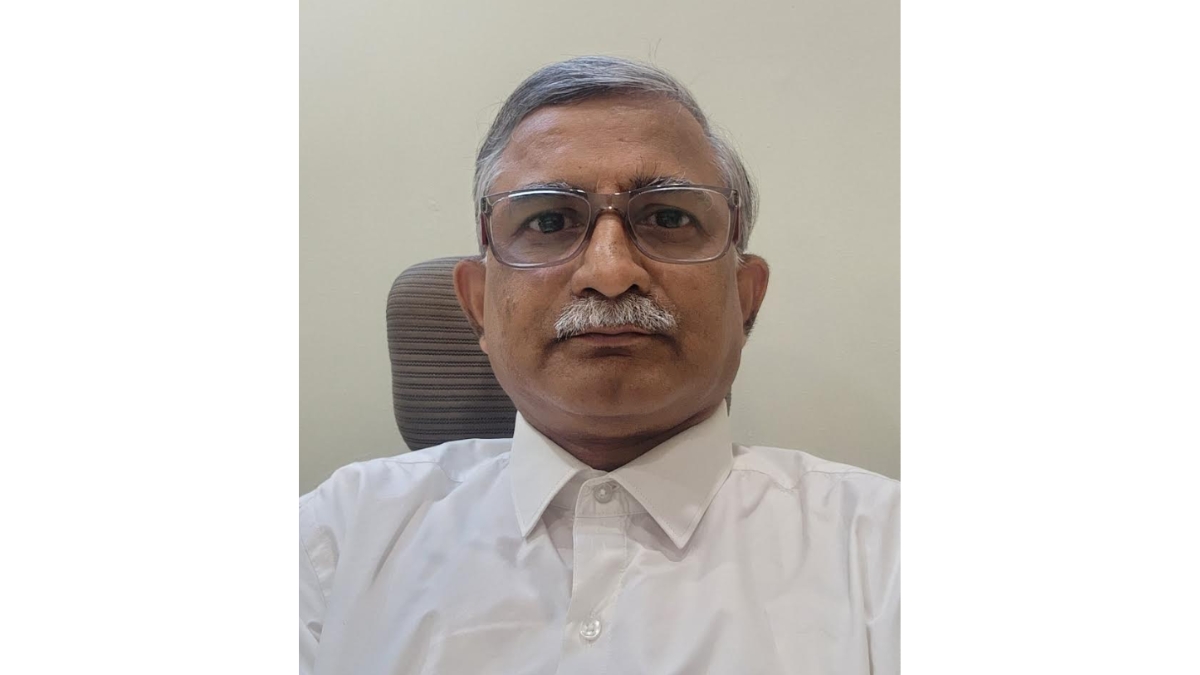
Dr JLN Sastry, Ayurveda Consultant and Practitioner (Former CEO-NMPB)

Mumbai (Maharashtra) [India], May 21: As India’s Ashwagandha sector emerges as a major pillar of the AYUSH, Ayurvedic, and nutraceutical economy, industry stakeholders are urging policymakers to adopt a science-led, product-specific approach to regulation that protects public health without undermining one of the country’s most significant traditional botanicals. Ashwagandha remains one of the most recognized Indian herbal ingredients globally, with the Indian Ashwagandha supplements market valued at USD 300 million in 2024 and projected to reach USD 710 million by 2033, growing at a CAGR of 10.1 percent from 2025 to 2033. India also accounted for 8.7 percent of the global Ashwagandha supplements market in 2024, underlining the herb’s strategic commercial importance to Ayurveda-led wellness and nutraceutical manufacturing. At the same time, the sector has faced disruption following regulatory restrictions on the use of Ashwagandha leaves in food and AYUSH products, even as stakeholders argue that the broader Ashwagandha category should not be judged through the lens of concerns tied to specific formulations or proprietary extracts. Industry voices maintain that a blanket approach could impact farmer livelihoods, licensed manufacturers, and export competitiveness while failing to address the actual source of concern in international safety discussions. Dr. J. L. N. Sastry, a senior Ayurvedic expert who has raised the matter with the authorities, said:
“Ashwagandha is one of India’s most significant traditional botanicals, widely used in nutraceuticals, dietary supplements, and traditional systems of medicine across the world.”
He further stated that:
“Substantial scientific, safety, toxicological, and usage-related data” have been generated globally over the years in support of standardized Ashwagandha extracts, including both roots and leaves, and that any regulatory review must distinguish between the herb as a category and specific commercial products under scrutiny.
The current policy debate has intensified amid reports from international pharmacovigilance systems. In July 2025, the Netherlands Pharmacovigilance Centre Lareb said that it had received eight additional reports after its September 2023 warning about liver toxicity in people using products containing Ashwagandha. However, Lareb also noted an important qualification: herbal products often contain multiple herbs, may contain undeclared ingredients, or may be contaminated, meaning it cannot be ruled out that the liver toxicity reported was caused by something other than Ashwagandha itself. According to Dr. Sastry, this distinction is important.
“If a product has already raised significant safety concerns internationally, particularly in Europe, it is prudent for India to take precautionary measures in the interest of public health and consumer safety,” he said.
He added that:
“The focus should be on a detailed review of the specific branded extract formulations mentioned in adverse-event discussions, rather than on the broader Ashwagandha industry.”
He further noted that if the concern relates to a particular extract profile, dosage pattern, or manufacturing claim, then a blanket ban on the leaf would not be the most appropriate scientific or ethical response. Stakeholders say this is especially important because Ashwagandha’s value chain supports cultivators, processors, classical medicine manufacturers, modern herbal brands, and exporters. The attached industry representation warns that restrictions on leaf-based products could affect businesses worth more than a 1-billion-dollar prospect and jeopardize the livelihood of small and marginal farmers linked to the botanical economy. It also states that more than 50 published papers were reviewed in support of leaf extract or leaf-based products, and that committee-level discussions had earlier examined references supporting leaf use in numerous traditional texts. Industry participants are therefore calling for three immediate steps:
  1. Conduct a transparent, evidence-based review of all safety signals across Ashwagandha-containing products, covering dosage, extraction methods, labeling, and formulation composition.
  2. Direct regulators to apply product-specific accountability, targeting high-potency extracts, misleading claims, and proprietary manufacturing processes that differ materially from conventional Ashwagandha preparations.
  3. Ensure the government protects confidence in India’s AYUSH and FSSAI nutraceutical sectors by preventing compliant, legitimate Ashwagandha products from being unfairly stigmatized in domestic or export markets.
Importantly, disregarding validated safety research on Ashwagandha leaves would also undermine the broader research and development ecosystem. In the short term, it would create uncertainty for ongoing studies; over the medium term, it could dampen private and public investment in botanical R&D; and in the long term, it risks diverting talent and capital away from herbal science. That sequence raises a hard policy question: if validated scientific work is not given due weight, why should regulators continue to promote R&D as a national priority? Science should guide proportionate regulation, not be sidelined. Safeguarding evidence-based inquiry is essential to protect public health, sustain innovation, and preserve India’s reputation in the global herbal market.
“Ashwagandha is not just an ingredient; it is a torchbearer of Ayurveda and a symbol of India’s wellness heritage,” Dr. Sastry said in his representation, urging timely action to protect both consumer safety and the global image of Indian traditional medicine.
He added that:
“Transparent regulatory scrutiny and scientifically grounded enforcement would strengthen, rather than weaken, public trust in the category.”
With global consumer demand for natural wellness products rising and India positioned as a fast-growing Ashwagandha market, stakeholders believe the way forward lies in better standards, stronger surveillance, honest labeling, and balanced regulation — not in broad restrictions that risk penalizing an entire heritage botanical. Science supports regulation, not prohibition, and ignoring validated research undermines future R&D and innovation. Expert can be contacted at: Lnsjata@yahoo.com Disclaimer: This press release is for general information purposes only and should not be construed as professional medical advice. Always consult a doctor before taking any decisions.


Tags:

ashwagandhaAYUSHFSSAIherbal_medicineindia_healthindian_herbsliver_toxicityNutraceuticalsPolicy

Share Article

One Platform. Thirty-Five Countries. Zero Investors. The ExamOnline Story That Indian Business Media Has Ignored for 17 Years.-TBt
Previous Post

One Platform. Thirty-Five Countries. Zero Investors. The ExamOnline Story That Indian Business Media Has Ignored for 17 Years.

TradeFlock Unveils 10 Best HR Leaders in India 2026, Recognising People-Centric Transformation-TBT
Next Post

TradeFlock Unveils 10 Best HR Leaders in India 2026, Recognising People-Centric Transformation

Picked
Search Router-PNn
Search Router Launches Search API in India to Help AI Agents Access Real-Time Web Information
CM Rekha Gupta-PNn
Delhi CM Rekha Gupta Launches Project Manobal, Marking a Historic New Era in Government School Education and Mental Health Education
Wellington
Wellington College International Pune Among India’s First K–12 Schools to Collaborate with OpenAI, Bringing ChatGPT Edu into Classrooms
DesiDhaakad
DesiDhaakad™ Unveils ‘Chronicles of Social Impact’ at NSE, Honoring 11 Women Changemakers
Kandla
Kandla Port Improves Fertilizer Logistics with Dedicated Berths, Enhanced Storage and Efficient Evacuation
Santiniketan
Northeast Medical Expansion Gathers Pace: Santiniketan Medical College and Hospital to Build Tripura’s Largest Private Multi-Specialty Hospital
Popular Posts
Kandla
Kandla Port Improves Fertilizer Logistics with Dedicated Berths, Enhanced Storage and Efficient Evacuation
By TBT Online Desk
Santiniketan
Northeast Medical Expansion Gathers Pace: Santiniketan Medical College and Hospital to Build Tripura’s Largest Private Multi-Specialty Hospital
By TBT Online Desk
Surat Olpad flooding, the blunt times
Congress Blames Illegal Shrimp Ponds for Olpad Flooding, Demands Immediate Action
By Times News Network
Umargam rainfall record, the blunt times
Umargam Records India’s Highest Rainfall in 22 Years as Rare Weather Systems Collide
By Times News Network
Gujarat rain update, the blunt times
North Gujarat Drenched as Monsoon Fury Shifts; Air Force, Army Intensify Rescue Operations
By Times News Network
Young Adults -opnn
Young Adults Embrace Battle for the Broken Realms: A Fresh Fantasy That Redefines Indian Young Adult Fiction
By TBT Online Desk

Read Next

Health
Transforming Lives Through Spiritual Wellness: Services Offered by Dr.Sachin Bansal
July 22, 2026
3 Min Read
LivLong365
Health
Why is LivLong365 Betting on Full Stack Healthcare, From Insurance to Care Delivery?
July 20, 2026
4 Min Read
Health
Infertility Doesn’t Always Mean IVF: Why Dr. Swati Shree Believes Every Couple Deserves Answers Before Treatment
July 18, 2026
3 Min Read
KRA Healthcare
Health
KRA Healthcare’s Ashish Srivastava on Rethinking Emergency Care Beyond Hospitals
July 13, 2026
4 Min Read
The Blunt Times

The Blunt Times is a 24-hour news portal from Surat and south Gujarat. It was launched by senior journalist Melvyn Thomas, who has over 21 years of experience working with the top news organizations such as The Indian Express, The Times of India, and The Economic Times.

Popular
Search Router Launches Search API in India to Help AI Agents Access Real-Time Web Information
July 24, 2026
Delhi CM Rekha Gupta Launches Project Manobal, Marking a Historic New Era in Government School Education and Mental Health Education
July 24, 2026
Wellington College International Pune Among India’s First K–12 Schools to Collaborate with OpenAI, Bringing ChatGPT Edu into Classrooms
July 24, 2026
DesiDhaakad™ Unveils ‘Chronicles of Social Impact’ at NSE, Honoring 11 Women Changemakers
July 24, 2026
Categories
City Events
National
Business Vibes
Lifestyle
Spotlight
Education
Business
Regional
Entertainment
Health
Press Release
Sports

© 2026 All Rights Reserved, The Blunt Times

  • Terms of Service
  • Privacy Policy