



Gujarat : New-Generation Fibres Get Research Push at Ahmedabad Workshop
SURAT: India’s search for sustainable and home-grown textile raw materials received a research boost as scientists from the Man-Made Textiles Research Association (MANTRA), Surat, participated in a...

SURAT: India’s search for sustainable and home-grown textile raw materials received a research boost as scientists from the Man-Made Textiles Research Association (MANTRA), Surat, participated in a national workshop on new-generation fibres in Ahmedabad.
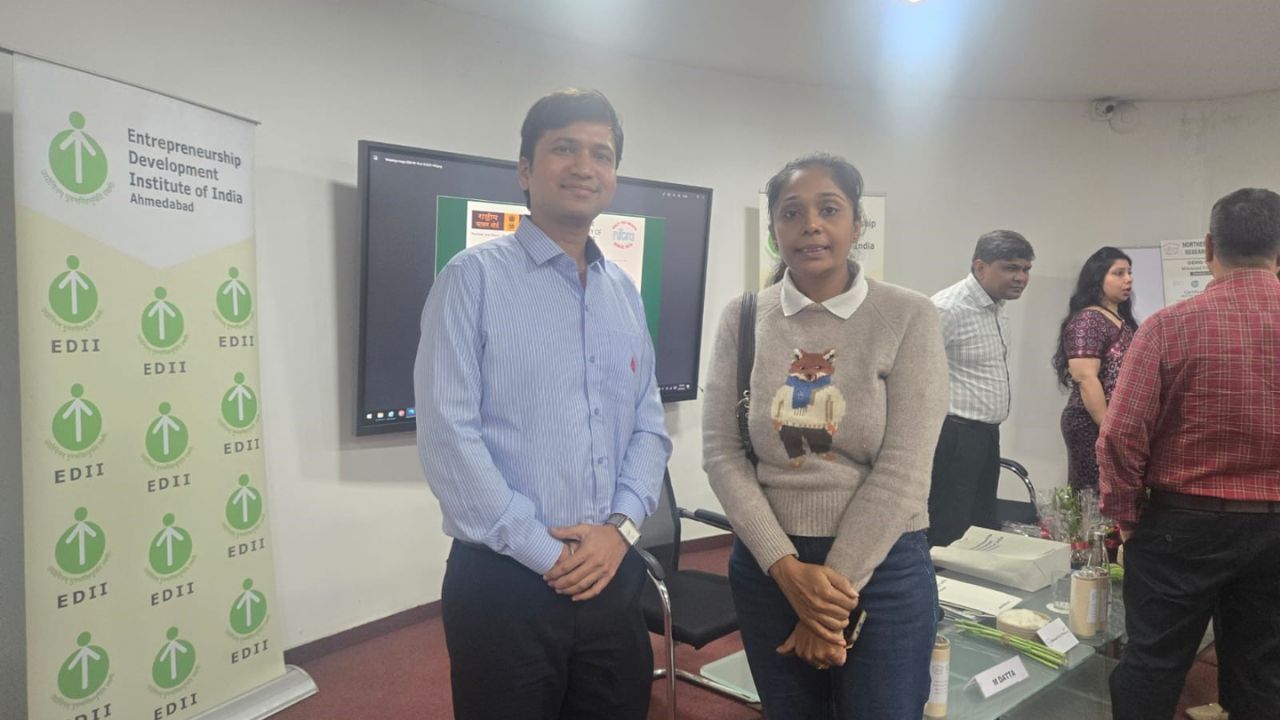
The “Awareness Workshop on Guidelines for New Generation Fibers Mission – Short Mission-3” was organised by the National Jute Board under the Ministry of Textiles and the North India Textile Research Association at the Indian Institute of Entrepreneurship Development, Bhat, on August 18.
The workshop brought together government officials, researchers, textile experts and industry representatives to explore the development, processing and commercialisation of alternative natural fibres.
Discussions covered fibres such as linseed, ramie, sisal, milkweed, bamboo, hemp, banana, pineapple leaf, kapok and nettle. The initiative aims to diversify India’s fibre basket, strengthen domestic production and improve the competitiveness of the textile industry.
MANTRA Research Scientist Dharmesh Dineshbhai Rana participated in the programme and presented the institute’s research on new-generation and waste-based fibres.
MANTRA showcased work involving banana and bamboo fibres, bamboo-charcoal-based polyester materials and fibres and yarns developed from water-lily waste.
“Developing high-value fibres, yarns and textile materials from agricultural residues and bio-waste can accelerate the transition towards a circular economy and sustainable manufacturing,” MANTRA said.
The institute, under the guidance of Director Dr Pankaj Gandhi, is working to take innovative fibres beyond laboratory research and develop practical industrial applications.
Researchers believe these materials could find applications in apparel, home textiles, technical textiles and industrial products, while creating new opportunities for farmers, MSMEs, startups and textile manufacturers.
The Ahmedabad workshop also provided a platform for MANTRA to showcase Surat’s research capabilities and strengthen collaboration between government agencies, research institutions and industry.
MANTRA said it would continue pursuing a “Research to Industry” approach to develop indigenous, sustainable and commercially viable textile materials and help make India’s textile sector more innovative and globally competitive.