







Gujarat HC Slams Tata Chemicals Over ‘Black Desert’ Pollution in Marine Sanctuary
Ahmedabad | Gujarat — In a scathing observation that could have far-reaching consequences for industrial pollution cases in India, the Gujarat High Court has come down heavily on Tata Chemicals...

Ahmedabad | Gujarat — In a scathing observation that could have far-reaching consequences for industrial pollution cases in India, the Gujarat High Court has come down heavily on Tata Chemicals Limited for allegedly dumping chemical waste and polluted water into the ecologically sensitive Jamnagar Marine Sanctuary for years. Calling the affected coastal region a “black desert,” the court accused the company of damaging a fragile marine ecosystem through illegal discharge practices carried out without lawful permission.
The High Court has now directed the Gujarat Pollution Control Board (GPCB) and the Jamnagar Collector to take immediate and strict measures — including possible closure of industrial operations — until a new pollution control pipeline system becomes fully operational. The court has also ordered authorities to assess the environmental damage within three months and recover compensation from the company.
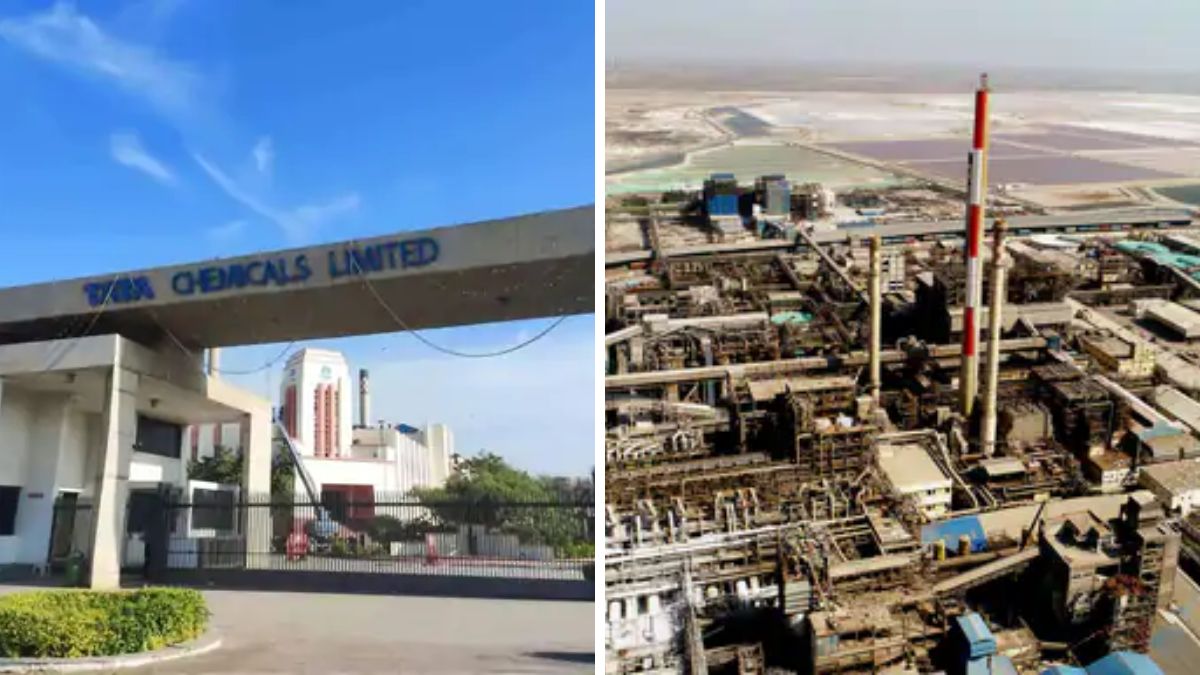
The case revolves around Tata Chemicals’ manufacturing facility at Mithapur in Okha taluka of Devbhoomi Dwarka district, where soda ash and other chemicals have been produced since 1939. According to government authorities, the company had been discharging chemically contaminated water into the sea through open canals flowing into the inter-tidal zone of the Gulf of Kutch.
The controversy intensified after the coastal region was officially declared a Marine Sanctuary in 1982. Despite the protected status of the area, authorities alleged that polluted discharge continued for decades, severely impacting nearly 100 hectares of government and sanctuary land.
Taking serious note of reports submitted by the Forest Department, Jamnagar Collector, and other authorities, the High Court observed that Tata Chemicals had “turned the Marine Sanctuary into a black desert” by continuously dumping chemical waste into the sea.
“The company is a polluter and destroyer of the environment. It cannot escape responsibility for the damage caused to the fragile marine ecosystem,” the court reportedly noted while questioning why preventive environmental safeguards were not implemented earlier.
The Forest Department informed the court that Tata Chemicals had no legal rights to continue such discharge activities after the 1982 sanctuary notification. Authorities claimed the constant flow of polluted water had made the sensitive coastal region barren and ecologically stressed.
Tata Chemicals, however, defended its operations by arguing that the discharge system had existed since the early 1960s and was being carried out under pollution norms prescribed by the GPCB. The company also stated that it had initiated a modern closed pipeline and diffuser system to dispose of treated water in the deep sea in line with updated Central Government regulations introduced in 2011.
According to the company, approvals for the new system had already been secured from multiple departments, and the pipeline project — involving a 3.75-kilometre diversion route — was expected to become operational by the end of May 2026. Tata Chemicals also informed the court that it had deposited ₹1.12 crore toward the project.
Despite these submissions, the High Court expressed concern that the company continued discharging polluted water for years under the protection of interim court orders.
The court has now instructed the GPCB to deploy an expert committee to scientifically evaluate the extent of ecological damage caused to the sanctuary. Authorities have also been ordered to submit a compliance report before the High Court within three weeks.
Meanwhile, Tata Chemicals sought a stay on the order to file an appeal, but the plea was rejected. The matter is now scheduled for further hearing on June 17, as environmental activists and local stakeholders closely watch one of Gujarat’s most significant industrial pollution cases in recent years.