






2026 Could Be India’s Hottest Year as SUPER El Niño Fears Grow | Dhruv Rathee Explains Climate Warning
Weather experts have warned that a possible “super El Niño” event could develop in 2026, potentially pushing global temperatures higher and triggering more extreme weather conditions worldwide. The...

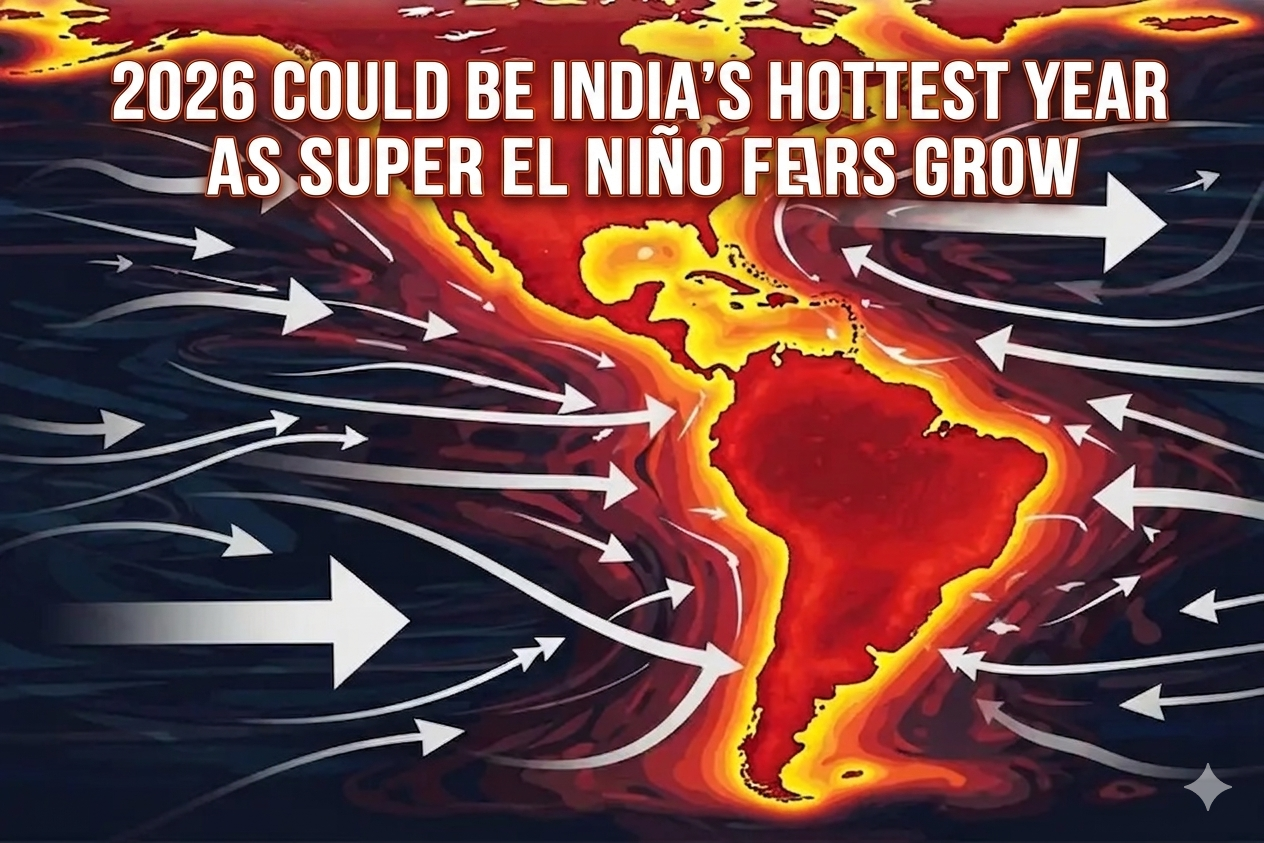
Weather experts have warned that a possible “super El Niño” event could develop in 2026, potentially pushing global temperatures higher and triggering more extreme weather conditions worldwide. The phenomenon is being closely monitored as scientists say it could significantly intensify heatwaves and drought-like conditions across several regions.
According to climate observations, India is already experiencing severe heat stress, with 19 of the world’s 20 hottest cities currently located in the country, highlighting the scale of rising temperatures.
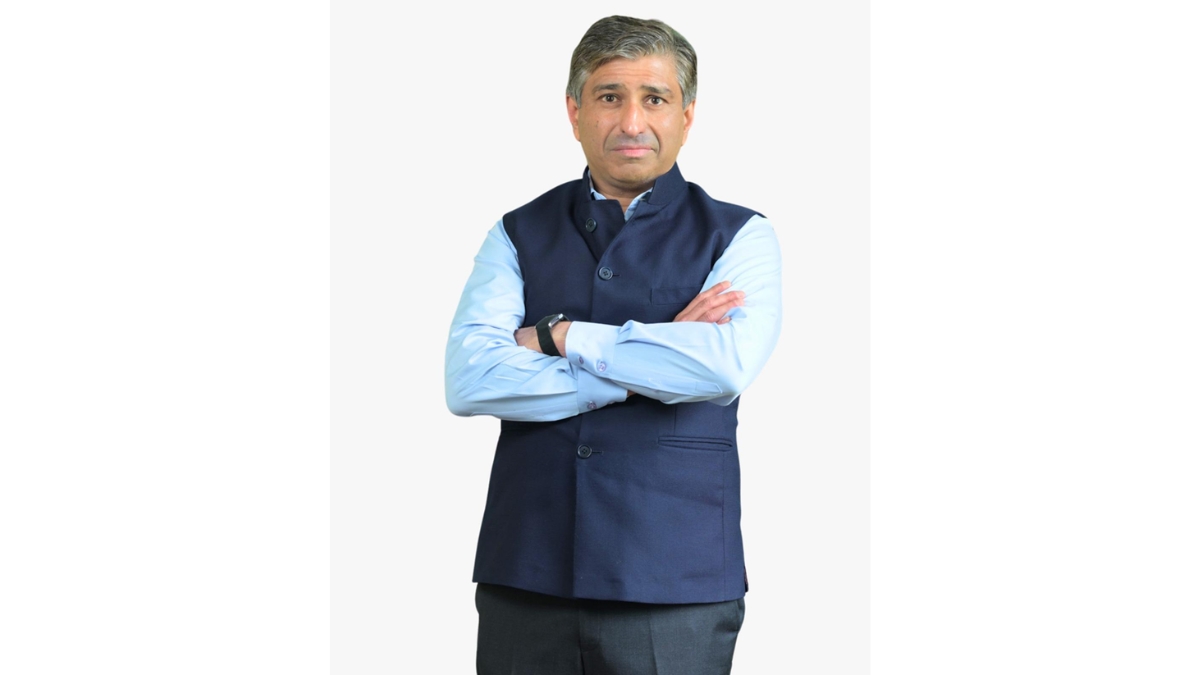
Popular YouTuber Dhruv Rathee also discussed this topic in a recent video, where he highlighted concerns around the possible arrival of a “super El Niño” and its impact on global temperatures. In the video, he explained how the climate pattern could intensify heatwaves and extreme weather conditions, with India potentially facing one of its hottest years in 2026. He also pointed out the already rising temperatures across the country and stressed the importance of understanding climate change trends and their long-term consequences.
Rising concern over extreme heat
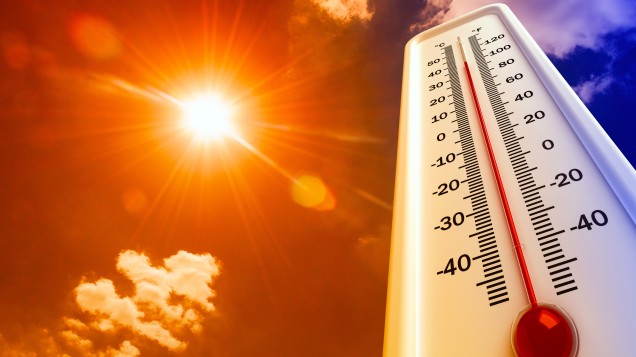
Meteorologists have cautioned that if a strong El Niño forms this year, it could worsen already intense summer conditions in India. Several regions have recorded temperatures crossing 40°C, raising concerns about health risks, water shortages, and pressure on power demand.
Some experts have also compared the potential event to historic strong El Niño phases, which in the past have been linked to widespread climate disruptions globally.
What is El Niño?
El Niño refers to the warming of sea surface temperatures in the central and eastern tropical Pacific Ocean. It is part of the broader El Niño–Southern Oscillation (ENSO) cycle, a natural climate pattern that influences global weather systems.
During El Niño years, heat distribution in the atmosphere changes, often leading to:
- Increased global temperatures
- More frequent heatwaves
- Altered rainfall patterns
- Higher risk of drought in some regions
Why scientists are concerned
Climate agencies, including US-based monitoring bodies, suggest that conditions may be becoming favourable for a stronger El Niño event in 2026. If it intensifies, it could contribute to one of the hottest global years on record.
India, already experiencing rising baseline temperatures due to climate change, could feel the impact more severely, especially in urban heat zones.
Outlook
While the situation is still developing and not yet confirmed as a “super” El Niño, scientists continue to track ocean temperature patterns closely. Any strengthening of the system in the coming months could play a major role in shaping global and regional weather extremes in 2026.