





Nepotism Allegations Rock Surat Municipal Corporation Engineer Recruitment
Surat | Gujarat — Serious allegations of nepotism and bias have surfaced in the Assistant Engineer (Electronics) recruitment conducted by Surat Municipal Corporation (SMC), triggering demands for a...

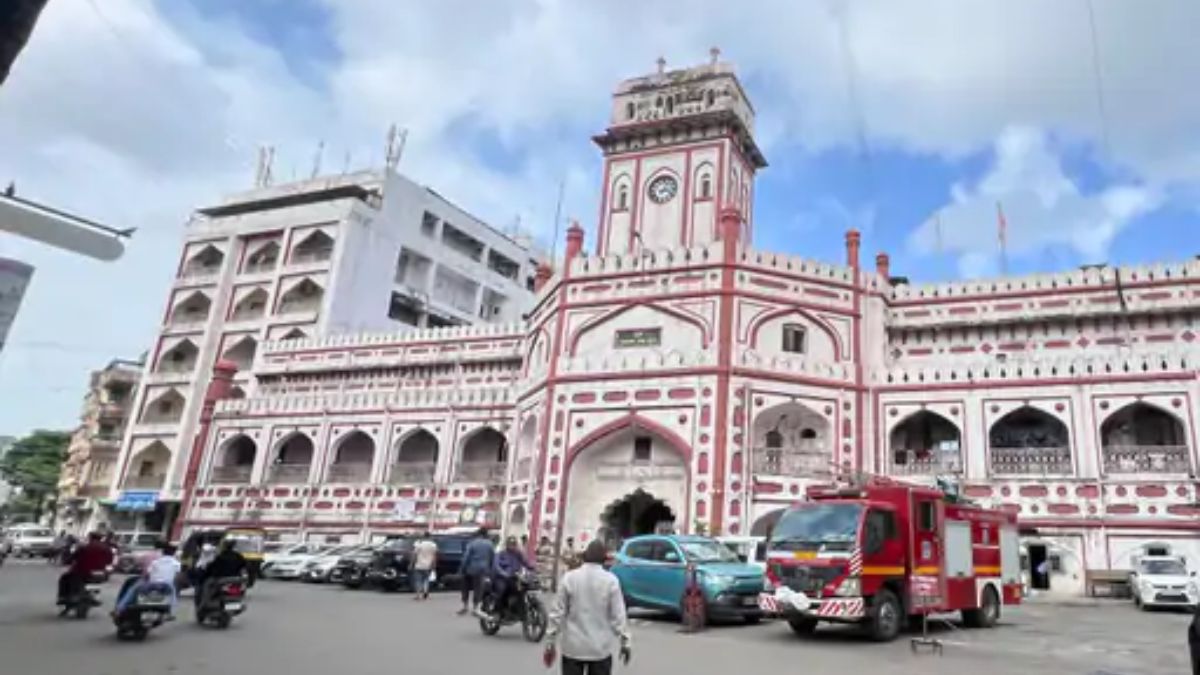
Surat | Gujarat — Serious allegations of nepotism and bias have surfaced in the Assistant Engineer (Electronics) recruitment conducted by Surat Municipal Corporation (SMC), triggering demands for a high-level probe and raising questions about transparency in civic hiring.
At the centre of the controversy is the selection of candidate Kushang Sarang, who is reportedly the nephew of Dharmesh Bhagwagar, the In-charge City Engineer of SMC. Bhagwagar was also a member of the personal interview panel for the same recruitment process, sparking concerns over conflict of interest and violation of administrative conduct rules.
According to information shared by complainant Hardik Patel through email, the selected candidate allegedly scored significantly lower in the written examination compared to other applicants, yet was ultimately chosen after the interview stage. This has intensified suspicions that interview marks may have been used to influence the final outcome.
Critics allege that the relationship was not publicly disclosed during the recruitment process. “The mere possibility of bias is enough to invalidate the process. Transparency must not only exist but be visible,” said Hardik Patel, demanding an inquiry.
Legal experts point out that the situation appears to violate the principle of natural justice, particularly the rule against bias—commonly referred to as Nemo Judex in Causa Sua, meaning no person should judge their own case. “Participation in an interview panel without disclosing close family ties can amount to serious misconduct under service conduct rules,” said a retired administrative officer.
The controversy has also been linked to Article 14 of the Constitution, which mandates fairness and non-arbitrariness in state actions. “Public recruitment must be beyond reproach. Even the perception of favoritism damages public trust,” said a senior advocate.
Civil society groups are now demanding an independent high-level inquiry into the recruitment process, a forensic audit of interview marks, and accountability for officials involved. Some have even suggested cancelling the entire recruitment exercise if irregularities are confirmed.
This is not a minor procedural lapse; it strikes at the credibility of the system,” said a representative of a citizens’ forum. “If swift action is not taken, the matter may be taken to the High Court through a Public Interest Litigation.”