




Free cremation gas ends in Surat, last rites may cost Rs.1100 more
Surat | Gujarat — Even in death, affordability is slipping out of reach. In a move that has triggered widespread concern, a new circular by Gujarat Gas is set to end years of free gas supply to...

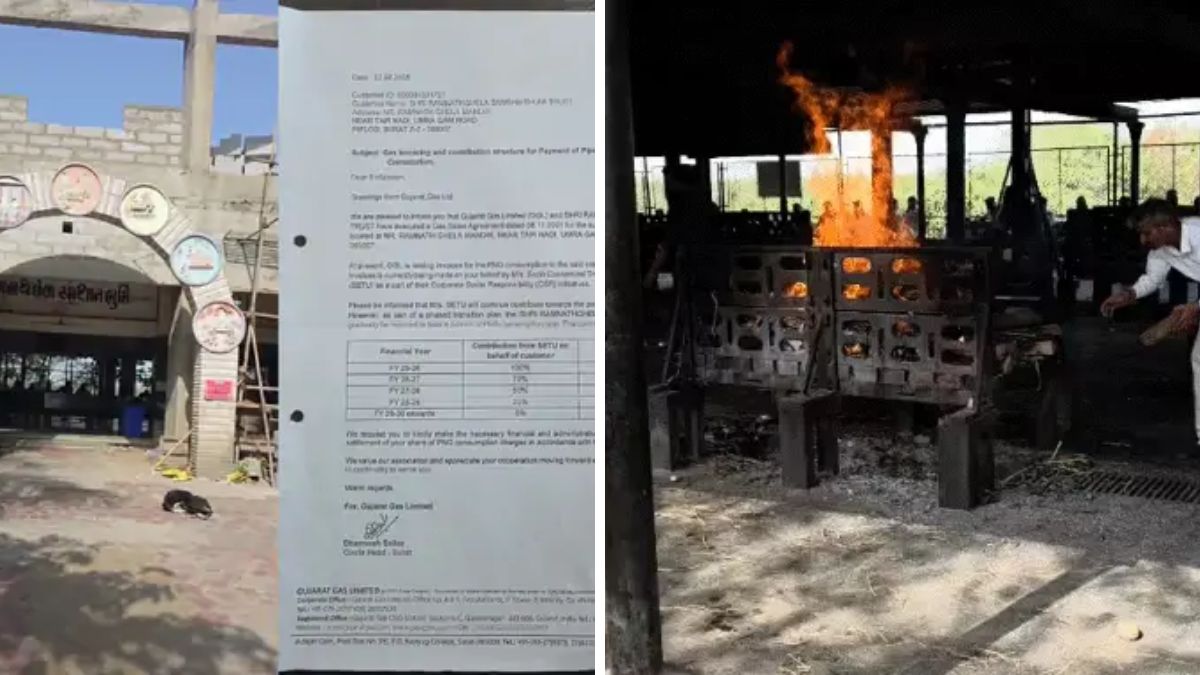
Surat | Gujarat — Even in death, affordability is slipping out of reach. In a move that has triggered widespread concern, a new circular by Gujarat Gas is set to end years of free gas supply to crematoriums in Surat, potentially increasing the cost of last rites by around ₹1,100 per body.
For years, crematoriums across the city—including the well-known Ramnath Ghela Crematorium on the banks of the Tapi—received gas under Corporate Social Responsibility (CSR) support through the Setu organisation. This ensured that grieving families, especially from economically weaker sections, could perform last rites without additional financial strain.
That relief may soon vanish.
According to the new directive, crematorium trusts will now have to gradually bear the cost of gas consumption, with a phased withdrawal of CSR support eventually leading to a fully paid system. The decision comes at a time when households are already grappling with inflation and economic uncertainty.
“This is not just a policy change—it directly affects common people at their most vulnerable moment,” said Jayesh Umrikar, manager of Ramnath Ghela Crematorium. “Till now, we received gas supply free of cost, which made operations easier. But now, with charges being introduced, the trust will have to decide how to manage or pass on this burden.”
The numbers underline the impact. Each gas-based cremation currently consumes fuel worth approximately ₹1,100. With 20 to 25 bodies arriving daily at Ramnath Ghela alone—and about 25% opting for gas furnaces—the cumulative financial load could be substantial.
“The big question is—who will pay this ₹1,100?” Umrikar asked. “If the trust absorbs it, we may face financial strain. If we charge families, it will directly hit the public.”
The move has also raised environmental concerns. Authorities have long promoted gas and electric cremation as cleaner alternatives to traditional wood pyres. However, stakeholders fear the new cost structure may reverse that progress.
“If gas becomes expensive, people may go back to wood-based cremation,” a crematorium official said. “That would be a setback for pollution control efforts in the city.”
For many families, especially those from poor and middle-income backgrounds, cremation services had remained one of the few areas insulated from rising costs. The introduction of even a ₹1,100 charge could now turn into an additional financial burden during already distressing times.
Crematorium administrators across Surat are voicing concern. “We are not profit-making entities—we are service providers at a sensitive time,” said one trust member. “The gas company should continue CSR support so that the public does not suffer.”
There are indications that multiple trusts may soon submit a representation to district authorities, urging reconsideration of the decision.