




Surat MMF textile Weavers, Traders Declare War on Defaulters, Late Payments
Surat | Gujarat — The powerloom weavers and textile traders in the country’s largest man-made fibre (MMF) industry have unanimously decided to take tough actions against the defaulters and late...

Surat | Gujarat — The powerloom weavers and textile traders in the country’s largest man-made fibre (MMF) industry have unanimously decided to take tough actions against the defaulters and late payments to combat the rising economic offenses in the industry.
The rapier jacquard weavers are currently going through a challenging phase. In an industry where there is a staggering investment of Rs 60 lakh to Rs 1 crore per machine, the recession is breaking the backs of weavers. To overcome this situation and protect the interests of more than 3,500 weavers, a huge conference was organized by the ‘Rapier Jacquard Weavers Association’.
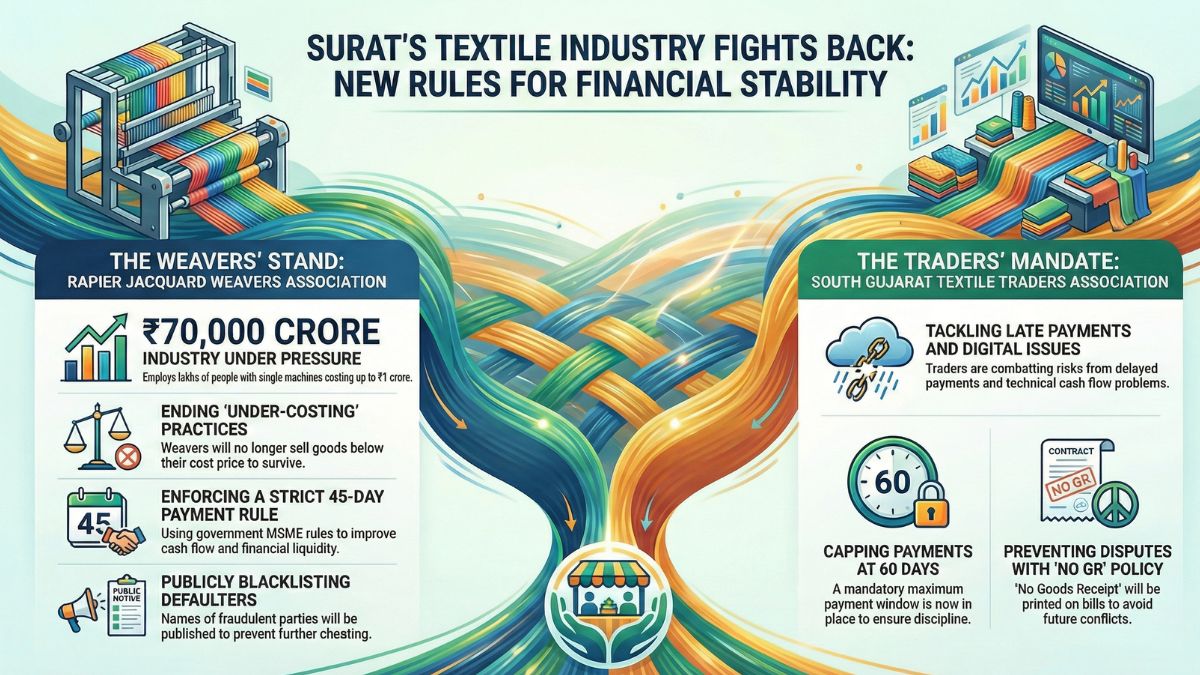
Surat’s rapier jacquard industry today provides employment to lakhs of people with a turnover of Rs 70,000 crore per annum. The cost of each machine in this industry ranges from Rs 60 lakh to Rs 1 crore. Despite such a huge investment, the weavers have been put in financial distress due to the current global recession and rising prices of raw materials. To survive in this difficult situation, more than 3,500 members of the association have come together and formulated new rules.
The most important decision of the meeting has been to stop ‘under costing’. Till now, weavers, in a hurry to get their stocks sold due to the recession, were selling at prices lower than their cost price, which was causing losses to the entire industry. Now it has been unanimously decided that no weaver will sell goods below the fixed rate. Rather than doing business at a loss, the approach of limiting production has been adopted.
Strict adherence to 45-day rule of MSME
To bring the payment cycle back on track, the association has taken the help of the Central Government’s MSME rules. From now on, all weavers will be required to take payment within 45 days. Due to the long-term stagnation of money, the working capital of weavers was being eroded, to solve which it has been decided to implement these strict norms. This will maintain financial liquidity in the industry.
‘Blacklist’ weapon against defaulters and false returns
In trade, parties often give wrong GRs and return goods or cheat on payments. The association, which is wary of such elements, has decided that any party that does wrong will be blacklisted. Not only this, the names of such parties will also be published in the media to alert other weavers, so that cases of fraud can be prevented.
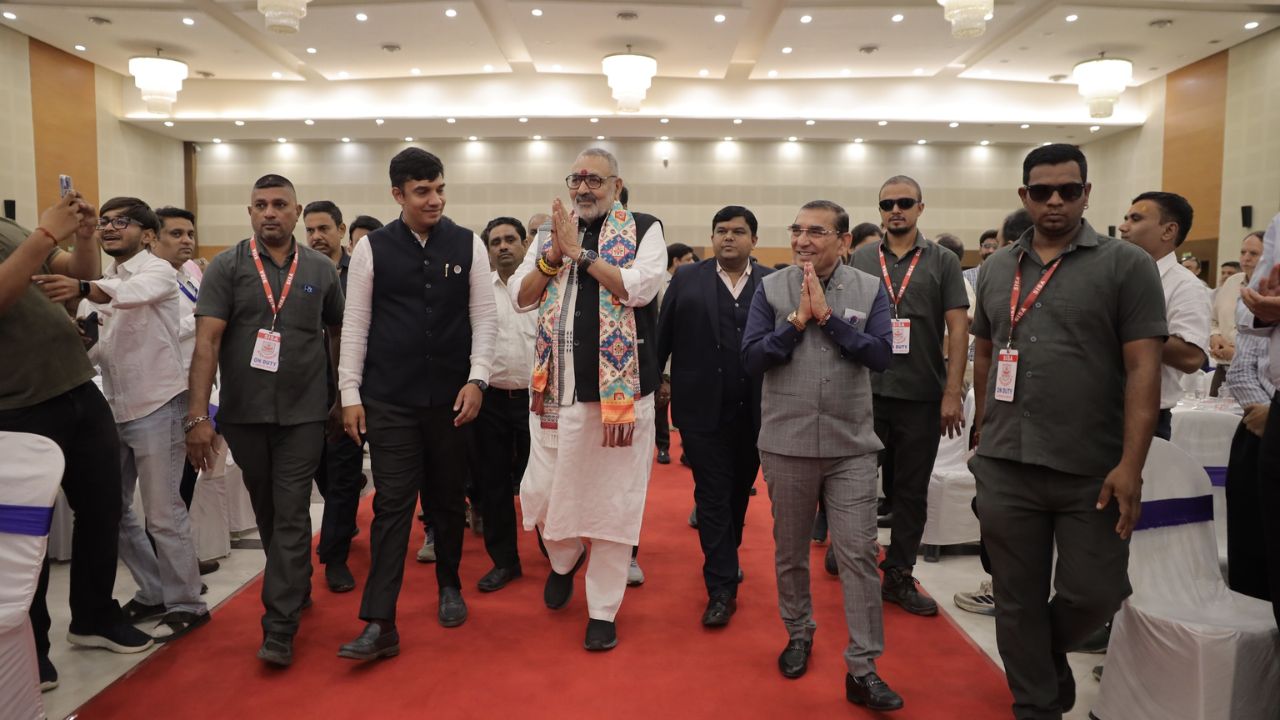
About 900 weavers were present in this meeting held under the chairmanship of Association President C.K. Maniya. When the President proposed these strict decisions in the interest of the industry, all the weavers welcomed it by raising their hands together. This unity shows that the weavers of Surat have now become aware and are capable of fighting for their rights.
In the meeting of the South Gujarat Textile Traders Association (SGTTA), cloth traders expressed serious concerns about late payments, payment system problems and UPI-related problems. Strict decisions were taken as the financial pressure on traders was increasing.
Now, payment will be mandatory in the trade within a maximum of 60 days and ‘No GR’ (No Goods Receipt) will be clearly written on the order form and bill, so that disputes can be avoided. The meeting also discussed reducing commission, increasing coordination among traders and finding a permanent solution to payment problems.
Association leaders said that late payments have increased the risk in trade, turnover has decreased and cash flow has been affected, especially due to digital payments and technical problems. The new rules aim to bring discipline, transparency and financial stability in trade.