






Gujarat Announces Textile Policy 2024 Guidelines to Boost Industry
Valsad | Gujarat — In a major push to revitalise the state’s textile sector, the Gujarat government has issued long-awaited guidelines for industrial incentives under the Gujarat Textile Policy 2024....

Valsad | Gujarat — In a major push to revitalise the state’s textile sector, the Gujarat government has issued long-awaited guidelines for industrial incentives under the Gujarat Textile Policy 2024. Announced by Industries Minister Balwantsinh Rajput at the Valsad Collector’s office, the policy outlines fresh benefits for textile units, particularly those in GIDC notified areas of urban regions, and introduces substantial support for women-led Self Help Groups (SHGs).
Flanked by key dignitaries including SGCCI Vice President Ashok Jirawala, Valsad MLA and Lok Sabha Whip Dhaval Patel, MLA Bharat Patel, IAS officer K. Swaroop, and Valsad Collector Bhavya Verma, Minister Rajput said the policy aims to “strengthen Gujarat’s position as India’s textile hub while ensuring inclusive growth through women empowerment.”
Under the guidelines, a group of at least 25 women will be recognised as a Self Help Group for self-employment. Each member will be eligible for benefits of up to ₹5,000 per month. “This is a significant step towards enabling rural and urban women to gain financial independence while contributing to the economy,” said SGCCI President Nikhil Madrasi. “The Gujarat government’s vision is clear — promote investment in textiles, empower women, and create new job opportunities across the state.”
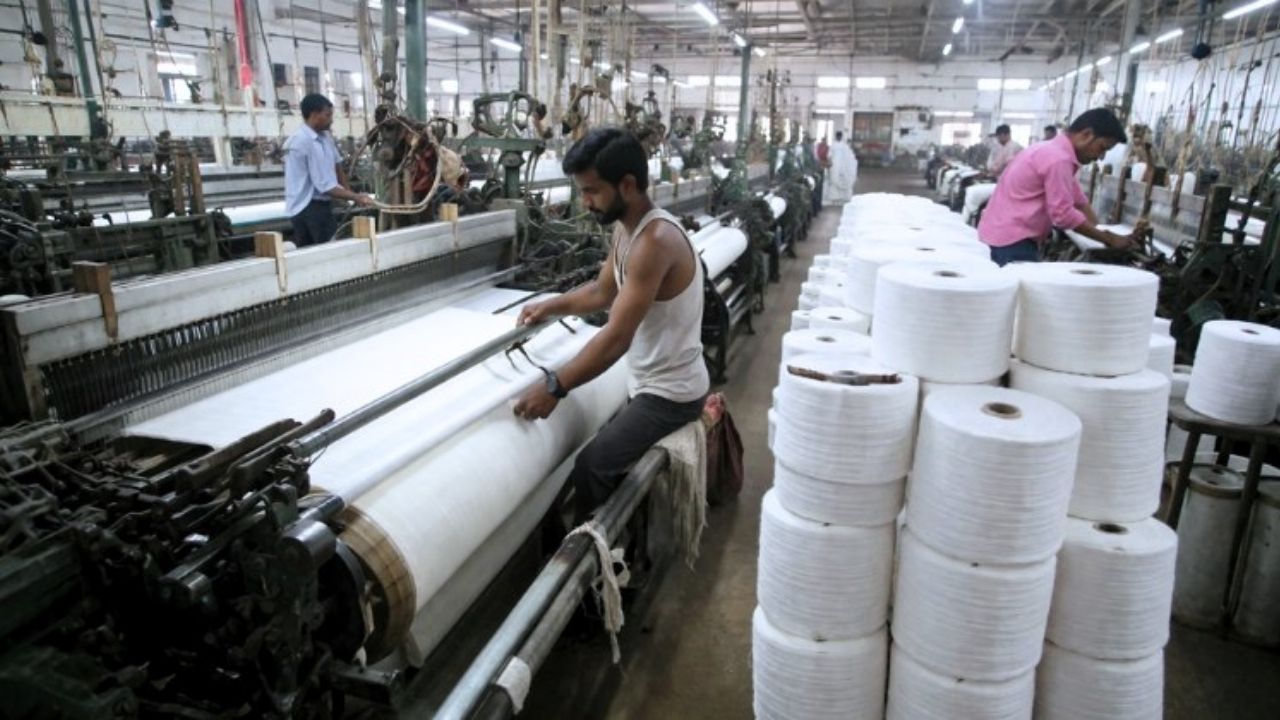
For the textile industry, a major highlight is the inclusion of textile units in GIDC notified areas in urban zones under the state’s incentive schemes. Activities from spinning to fabric have now been officially recognised as part of a composite unit eligible for benefits.
“This announcement is a breakthrough,” said SGCCI Vice President Ashok Jirawala. “For years, we’ve requested the government to extend scheme benefits to textile units in GIDC urban areas. This inclusion will accelerate industry growth and ensure that investments translate into employment and economic upliftment.”
The guidelines classify talukas into categories for targeted industrial incentives, enabling region-specific development. SGCCI leaders have expressed gratitude to Chief Minister Bhupendrabhai Patel, Industries Minister Balwantsinh Rajput, and State Industries Minister Harsh Sanghvi for responding positively to industry representations.
Industry watchers believe that with these guidelines, Gujarat’s textile sector — already a national leader — will see a surge in modernisation, exports, and employment generation. The emphasis on women-led SHGs also signals a shift towards more inclusive industrial growth.
“This is not just an industrial policy,” Madrasi added. “It’s a socio-economic catalyst that integrates economic growth with social responsibility.”
With the Textile Policy 2024 now operational, the state is poised for a new wave of investment, particularly in composite units, and the creation of thousands of livelihoods, reaffirming Gujarat’s legacy as India’s textile powerhouse.