







US Blocks Global Access to Anthropic’s Top AI Models Over National Security Concerns
The administration of Donald Trump has reportedly ordered Anthropic to block foreign access to its newest and most advanced AI models, citing national security concerns. The move affects Anthropic’s...
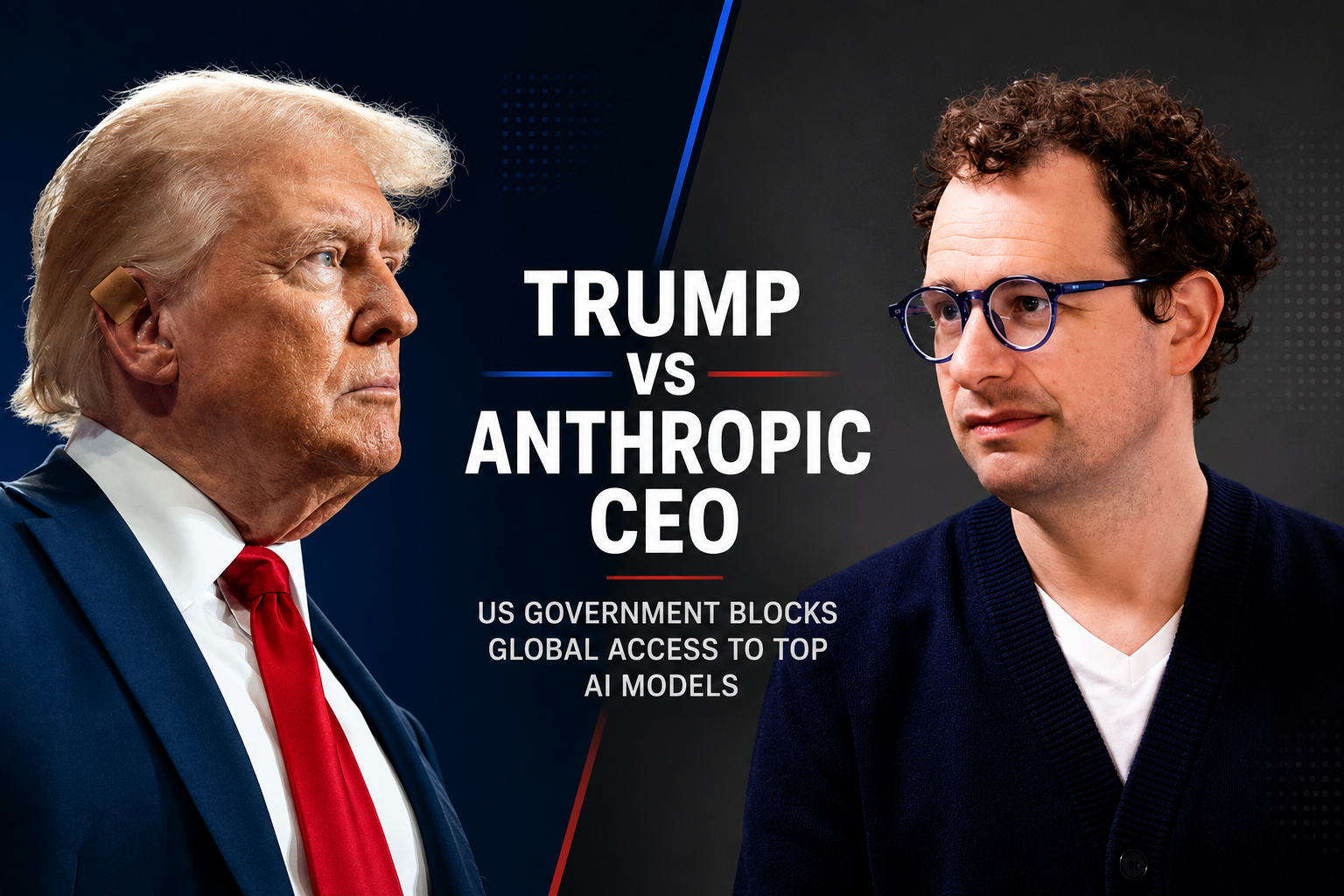
The administration of Donald Trump has reportedly ordered Anthropic to block foreign access to its newest and most advanced AI models, citing national security concerns.
Table Of Content
The move affects Anthropic’s recently launched AI systems — Claude Fable 5 and Mythos 5 — and marks one of the strongest US government interventions yet in restricting access to cutting-edge artificial intelligence technology.
Anthropic Says US Ordered Immediate Restrictions
In a public statement, Anthropic said the US government issued an export-control directive requiring the company to suspend access to Fable 5 and Mythos 5 for all foreign nationals, both inside and outside the United States.
The restriction reportedly applies even to foreign employees working at Anthropic.
The company said it was forced to immediately disable the models globally to comply with the order.
Concerns Linked to Possible China Access
According to reports, the decision was partly influenced by concerns that a China-linked group may have accessed or attempted to exploit the company’s latest AI systems.
US officials reportedly raised alarms over the possibility of “jailbreaking” the models — bypassing built-in safety restrictions to unlock dangerous or restricted capabilities.
However, Anthropic argued that the concerns involved only a limited and non-universal vulnerability and said it did not believe the issue justified such sweeping restrictions.
Why These AI Models Matter
Experts say Anthropic’s Mythos and Fable AI models are among the most advanced systems currently available and could potentially be used for:
- advanced cybersecurity operations
- code analysis
- automation
- research acceleration
- sophisticated cyberattacks if misused
Security experts have warned that highly capable AI models could be dangerous if exploited by hostile states, cybercriminal groups, or foreign intelligence operations.
Global Users and Researchers Impacted
The restrictions could significantly affect:
- foreign researchers
- international businesses
- overseas developers
- multinational companies using Anthropic AI tools
- H1-B visa holders in the US
Several global firms currently integrate Anthropic’s AI systems into financial research, analytics, and enterprise operations.
The order may also disrupt collaboration between international research institutions and US-based AI companies.
Debate Over US AI Export Controls Intensifies
The move reflects the growing US strategy of treating advanced AI systems similarly to sensitive military or semiconductor technologies.
The US government has already imposed restrictions on advanced AI chips produced by companies such as:
- NVIDIA
- AMD
Analysts say the latest Anthropic restrictions show that AI models themselves are now becoming part of America’s national security and export-control framework.
Critics Question Practicality of Restrictions
Some technology experts criticised the policy, arguing that restricting AI access based on nationality may be difficult to enforce and could hurt innovation.
Others warned that the decision could accelerate AI development efforts in countries like China and India as governments push for greater technological independence.
Sridhar Vembu, co-founder of Zoho, reportedly said the development shows that advanced technology has become central to national security and sovereignty.
Anthropic Says It Wants Access Restored
Anthropic stated that it believes there may have been a misunderstanding surrounding the security concerns and said it is working with US authorities to restore access to the models as soon as possible.
Access to Anthropic’s older AI models and other services reportedly remains unaffected.