







Surat Weavers Face Factory Closure Threat as Yarn Stocks Run Dry
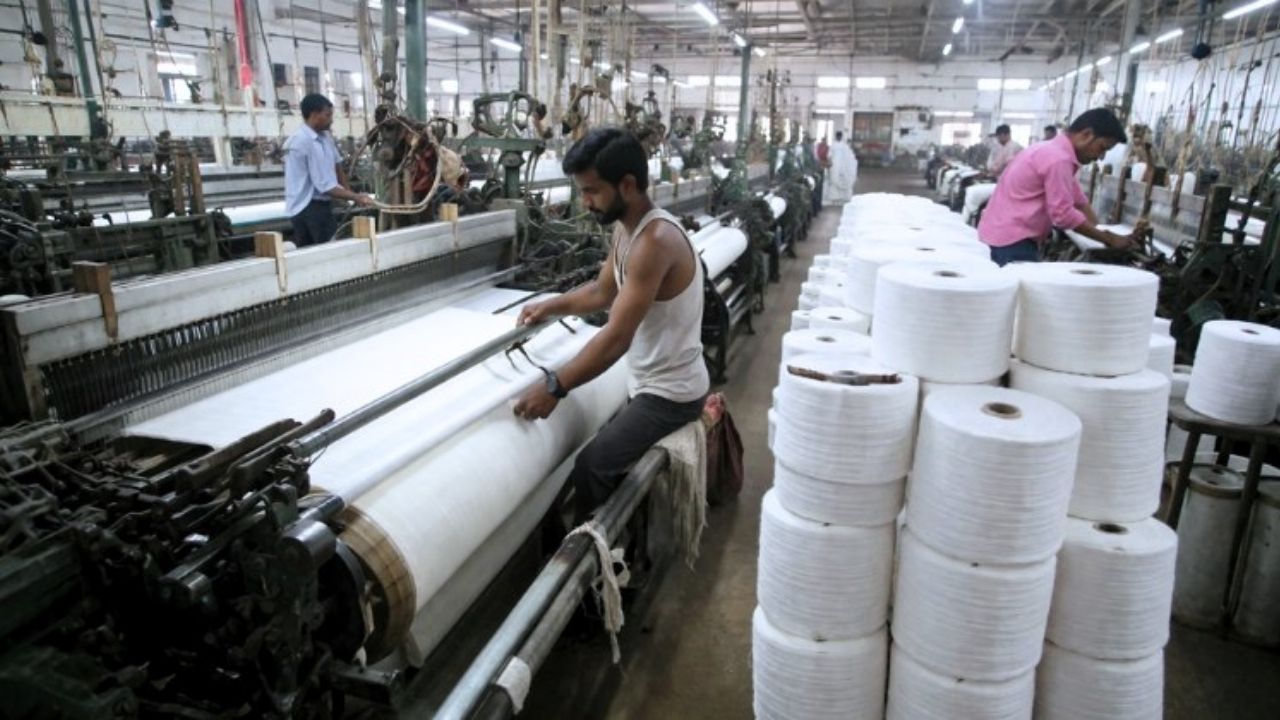
SURAT: A yarn shortage is threatening to bring looms to a standstill in Surat’s Pandesara textile hub, with weavers warned that factories could be forced to shut or cut production if their existing...

SURAT: A yarn shortage is threatening to bring looms to a standstill in Surat’s Pandesara textile hub, with weavers warned that factories could be forced to shut or cut production if their existing stocks run out amid continued volatility in yarn prices.
The Pandesara Weavers Co-operative Society Ltd. unanimously passed Resolution No. 2 at its managing committee meeting on August 25, directing members to plan production based on the yarn already available with them.
According to the resolution signed by society president Ashish Gujarati, members with adequate yarn stocks have been asked to continue production using their existing inventory. However, once a weaver’s stock is exhausted, the unit will either have to temporarily close or reduce production by two days a week, depending on the quantity available.
The society has also appealed to members holding surplus yarn to share the required quantity with fellow weavers so that units with limited stocks can continue operations.
The cooperative’s yarn bank will also release available stocks on an ad hoc basis according to members’ requirements. The move is aimed at ensuring that scarce supplies are distributed systematically and that production disruptions are minimised.
The decision comes at a critical time for Surat’s powerloom sector, where yarn constitutes a major component of production costs. Frequent price fluctuations have made it increasingly difficult for small and medium-sized weavers to plan production and maintain margins.
Sachin Industrial Co-operative Society secretary and weaver leader Mayur Golwala said the government must intervene to protect small weavers from sharp yarn-price movements.
“Small weavers can survive only if the yarn sales system is brought under control,” Golwala said, advocating a system under which yarn sales could be organised at the beginning of every month to bring greater price transparency.
Golwala also alleged that yarn prices had risen sharply when crude oil prices increased during the conflict involving the US, Israel and Iran, but that prices had not fallen proportionately after the ceasefire and decline in raw-material prices.
“Spinners increase yarn prices when PTA and MEG prices rise internationally, but they do not reduce them to the same extent when raw-material prices fall,” he alleged.
Golwala said his organisation would prepare a detailed representation and seek scrutiny by the Competition Commission of India and other relevant authorities if evidence suggested artificial price increases or cartelisation.
For Pandesara’s weavers, however, the immediate challenge is keeping their looms running. The unanimous resolution effectively places production planning on available yarn stocks, highlighting the growing pressure faced by Surat’s textile manufacturing ecosystem.