
Surat Gas Crisis: Mega Kitchen Feeds Thousands, Stops Worker Exodus
Textile industry steps in as gas shortage pushes migrant workers to the brink in Surat

Advertisement
Surat | Gujarat — A deepening gas shortage in Surat has triggered a humanitarian crisis, pushing thousands of migrant workers to the brink of leaving the city — but in a powerful show of unity, the textile industry has stepped in to prevent a mass exodus.
For over a week, disrupted supply of commercial and domestic gas has made it nearly impossible for workers in key industrial areas like Pandesara, Sachin and Palsana to cook meals. With kitchens going cold and food expenses rising, many had begun planning their return to hometowns — a move that could have dealt a severe blow to Surat’s textile economy.
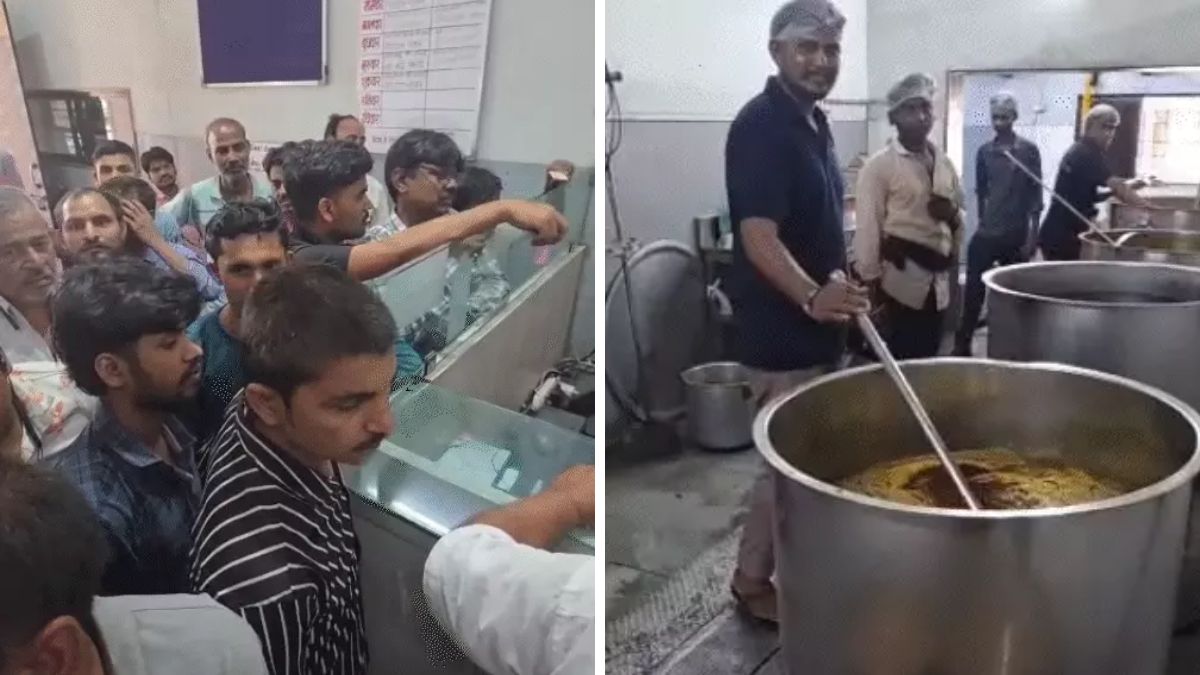
Recognising the urgency, textile associations transformed a local restaurant in Pandesara into a full-scale ‘mega kitchen’, now feeding between 4,000 and 5,000 workers daily at a subsidised rate of just Rs 50 per meal.
“We realised that if workers go hungry, they will be forced to leave. This is not just about industry — it is about humanity,” said Jitu Vakharia, president of the South Gujarat Textile Processors Association. “Our aim is to ensure no worker sleeps hungry and no artisan is forced to migrate due to this crisis.”
The kitchen, which earlier served around 1,000–1,500 workers, is now operating 24 hours a day. Meals are being prepared in bulk and distributed through a ‘meal-to-meal’ parcel system, ensuring food reaches workers directly at factories and workplaces.
Hasmukh Thakkar, who manages the facility, highlighted the scale of the operation: “Earlier we served about 2,000 people daily. Now, we are feeding over 5,000. Around 1,000 eat here, while the rest are given packed meals. Everything is prepared fresh and sattvic, and delivered quickly so workers don’t suffer.”
On the ground, the relief effort has become a lifeline for workers struggling to cope with skyrocketing gas prices and erratic supply. Sonu Kumar Kesari, a worker at a textile unit, described the situation bluntly: “We haven’t received gas for five to six days. Even if available, a small cylinder costs Rs 600–700. Without these food parcels, we would have had no option but to leave Surat.”
Another worker, Manoj Gupta, pointed to systemic issues: “I booked gas a week ago. I keep getting messages, but no delivery. At agencies, no one responds. The government says there is no shortage, but reality is different.”
The crisis has exposed the vulnerability of lakhs of migrant workers who form the backbone of Surat’s textile and diamond industries. With daily wages stretched thin, spending Rs 100 or more on meals is unsustainable, especially when healthcare and other costs loom large.
Industry leaders warn that large-scale migration could disrupt production cycles and impact exports if the situation persists. However, the swift intervention by textile associations has, for now, stabilized the situation.
“This initiative is not limited to one area. Any worker can access food through tokens or parcels,” Vakharia added, reinforcing the industry’s commitment to its workforce.
Advertisement
