


MANTRA Invited to IIT Kanpur Textile Policy Dialogue
SURAT: Surat’s reputation as a global man-made textile hub is gaining a new dimension, with its research and technical expertise finding a place in national policy discussions. The Surat-based...

SURAT: Surat’s reputation as a global man-made textile hub is gaining a new dimension, with its research and technical expertise finding a place in national policy discussions. The Surat-based Man-Made Textiles Research Association (MANTRA) has been invited by IIT Kanpur to participate in a national-level dialogue on policies shaping Uttar Pradesh’s textile and handloom sector.
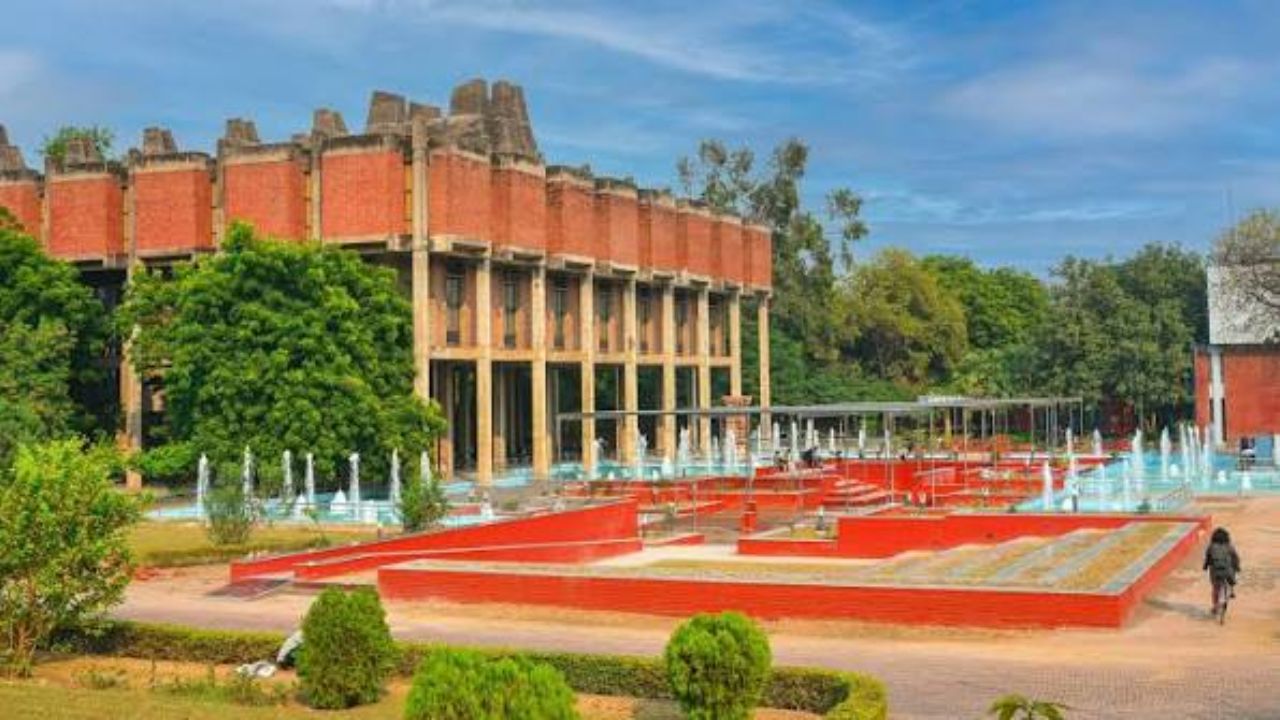
The dialogue will be held in Varanasi on October 3, 2026. The invitation was extended by Dr. Munmun Jha, Professor in the Department of Sociology at IIT Kanpur, to Dr. Pankaj Gandhi, Director of MANTRA.
The event will bring together experts and stakeholders to discuss policy, implementation and the future direction of Uttar Pradesh’s textile and handloom industry.
The invitation is being viewed as recognition of Surat’s growing role beyond manufacturing, particularly in textile research, technology, quality testing and technical expertise.
Surat has developed a strong textile ecosystem covering yarn, texturising, weaving, processing, technical textiles and research. MANTRA’s participation gives the city an opportunity to share this experience with one of India’s most important traditional textile regions.
The dialogue assumes added significance because Varanasi and Surat represent two distinct textile models. While Varanasi is renowned for Banarasi sarees, handloom and traditional craftsmanship, Surat is known for synthetic yarn, man-made fabrics, processing and large-scale modern production.
The interaction could help explore ways to connect traditional weaving with modern technology, design, quality standards, research and global markets.
The Uttar Pradesh textile and garment policy focuses on investment, infrastructure, technology, employment, production, exports, handloom and market development. Experts say collaboration between academic institutions, research bodies, industry and policymakers can help strengthen these areas.
For Surat, the MANTRA invitation signals an expanding national role.
The participation could open new avenues for knowledge exchange between textile clusters and encourage collaboration in technology, sustainability, quality improvement and value addition.
More importantly, it highlights a changing identity for Surat. The city is increasingly positioning itself not only as a major textile production centre, but also as a source of technical knowledge and research expertise for India’s wider textile industry.