



Lucknow Travel Guide: Explore Nawabi Heritage, Famous Food & Cultural Attractions
New Delhi [India], October 5: Lucknow is a city where its history isn’t confined to museums. It can be found in elaborate gateways, imposing imambaras, busy bazaars, needlework stores, and...

New Delhi [India], October 5: Lucknow is a city where its history isn’t confined to museums. It can be found in elaborate gateways, imposing imambaras, busy bazaars, needlework stores, and recipes that have been handed down through the ages. The capital of Uttar Pradesh, which was formerly the epicentre of Awadh, is renowned for its unique cuisine, elegant tehzeeb, and Nawabi style. For both first-time and returning visitors, a trip here offers a good mix of exploration, shopping, local cuisine, and heritage sightseeing.
Lucknow rewards visitors who take their time, whether you have a few days or a weekend. Make time for a leisurely breakfast, a stroll through the old city in the evening, and an impromptu visit to a classic candy store.
Discover Lucknow’s Nawabi Heritage
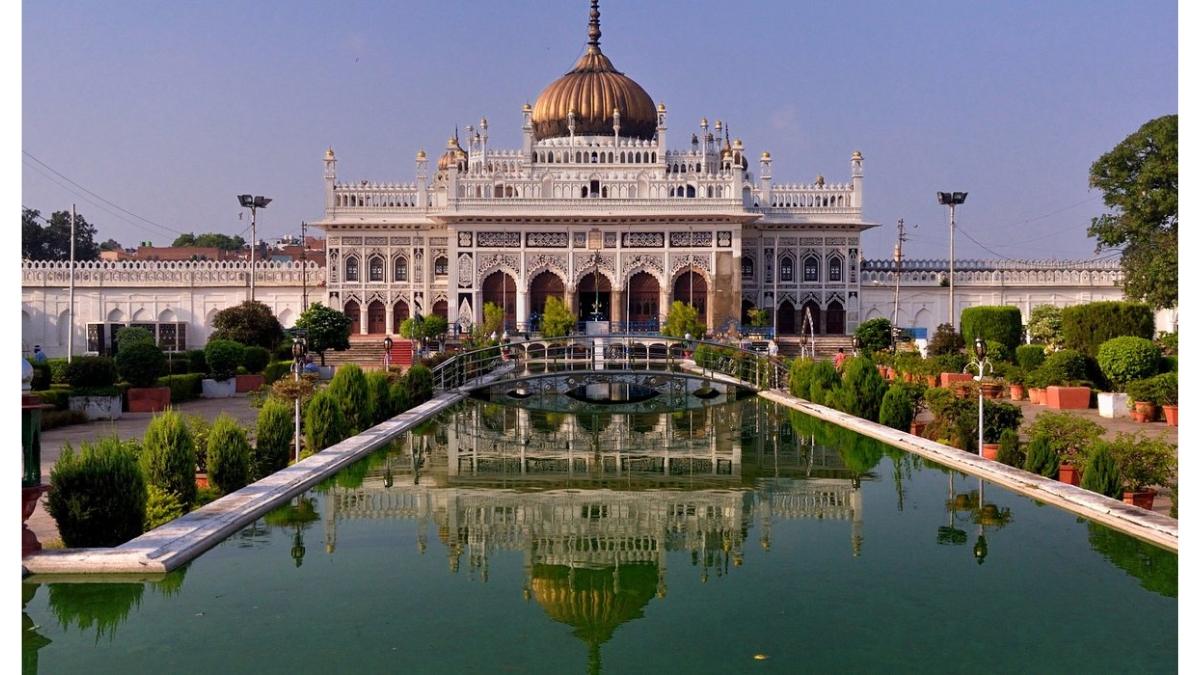
One of the most famous monuments in the city is the Bara Imambara, so start there. The complex, which Nawab Asaf-ud-Daula commissioned in 1784, is renowned for its massive vaulted hall and the fascinating Bhool Bhulaiya, a labyrinth of interconnected passageways. The project was associated with famine relief, offering jobs during a challenging time.
The Rumi Darwaza, a massive 18th-century gateway with elaborate ornamentation, is located nearby. Built during Asaf-ud-Daula’s rule and rising to a height of about 60 feet, it has come to represent Lucknow. In the milder light of the morning or evening, its dramatic arch is especially striking.
Proceed to Chhota Imambara, which is also called Husainabad Imambara. It was constructed between 1837 and 1842 by Muhammad Ali Shah and is renowned for its elaborate interiors, gilded details, chandeliers, and decorative craftsmanship.
Visit the British Residency for an alternative view of the city’s history. Its preserved buildings and atmospheric ruins bring back memories of the 1857 uprising. Beyond its Nawabi era, the site gives Lucknow context.
Taste the Famous Food of Lucknow
When visiting Lucknow, food is a must. Awadhi cuisine is renowned for its careful preparation, delicate seasoning, and focus on flavour and texture. An obvious place to start is with the city’s well-known galouti kebabs.
Other dishes worth trying are Lucknowi biryani, nihari with kulcha, shami kebabs, and seekh kebabs. Vegetarian options should not be disregarded. There is a lot of variation with chaat, basket chaat, aloo tikki, and seasonal sweets.
Discover the food lanes in Chowk and Aminabad for a more engaging experience. During mealtimes, these neighbourhoods come alive with restaurants, stands, and stores offering both savoury and sweet treats. Instead of ordering everything at once, try a few dishes; after the second kebab, your appetite can vanish surprisingly quickly.
Explore Lucknow’s Markets and Crafts
Lucknow’s cultural identity goes beyond its cuisine and monuments. The city is well-known for its elaborate chikankari, a delicate embroidery custom that is frequently seen on sarees, dupattas, kurtas, and other clothing. While Aminabad provides a busier shopping environment, Chowk is a good place to browse traditional work.
Additionally, you might encounter attar perfumes, zardozi embroidery, and other traditional crafts. When purchasing handcrafted items, pay close attention to the stitching and find out if the item was made by hand or by a machine. This facilitates fair price comparison.
Experience Lucknow’s Culture and Tehzeeb
Lucknow’s slower, more elegant rhythm contributes to its allure. Tehzeeb, or refined etiquette, continues to play a significant role in the city’s cultural perception. Through its food, language, music, poetry, and daily interactions, you can get a sense of this character.
Explore the city after sunset if you have time. In the evening, historic structures and bustling marketplaces have a different vibe. Another attraction may not be as memorable as a leisurely stroll followed by tea or dessert.
A Simple Way to Plan Your Lucknow Visit
Many of the main activities can be covered in two days without feeling overly hurried. Explore Bara Imambara, Rumi Darwaza, and Chhota Imambara on the first day before heading to the old-city food lanes. Set aside the second day for shopping, the residence, and a leisurely tour of areas like Hazratganj.
Instead of adding attractions just to lengthen the itinerary, if you have more time, go back to locations that piqued your interest. It’s best to enjoy Lucknow without constantly keeping an eye on the time.
Travel Tips for First-Time Visitors
Put on comfortable shoes, particularly if you intend to spend several hours walking through old-market lanes and heritage complexes. In the warmer months, begin your outdoor sightseeing early in the day and bring water with you as you stroll between sites.
Be mindful of the rules regarding photography and dress appropriately when visiting places of worship or historical sites. If rich Awadhi dishes are new to you, start with small portions. Depending on your plans, taxis, public transportation, and app-based taxis can be helpful.
Staying Comfortably in Lucknow
It can be simpler to manage sightseeing, food trails, and evening walks if you choose a convenient place to stay. Travellers can stay at hotels in Lucknow while touring the city. Depending on your schedule, staying in a well-connected area may make it simpler to get to well-known sights, marketplaces, and restaurants without having to spend a lot of time travelling between them.
Having a cosy base is especially helpful for tourists planning a quick getaway after a day of exploring bustling market areas and touring historical sites. For those seeking lodging while visiting Lucknow, Treebo hotels can offer a sensible choice. Additionally, travellers can use the Treebo app to conveniently manage aspects of their stay, check details, and browse available hotels. This can be useful when organising lodging in addition to a busy itinerary for sightseeing.
Conclusion
Lucknow creates a destination that is enjoyable to enjoy at a leisurely pace by fusing architecture, history, cuisine, craftsmanship, and culture in a way that feels uniquely its own. Every area of the city has a story to tell, from the imposing Bara Imambara and Rumi Darwaza to the flavours of galouti kebabs and the delicate artistry of chikankari. Allow Lucknow’s leisurely charm to become a part of your journey; take your time, eat locally, and venture beyond the main sights.