







India Charts Course to Top 5 Global Shipbuilding Nations by 2047
India’s shipbuilding sector is steering toward an ambitious horizon — evolving from a modest participant in global ship construction to aiming for a spot among the world’s top five shipbuilding...

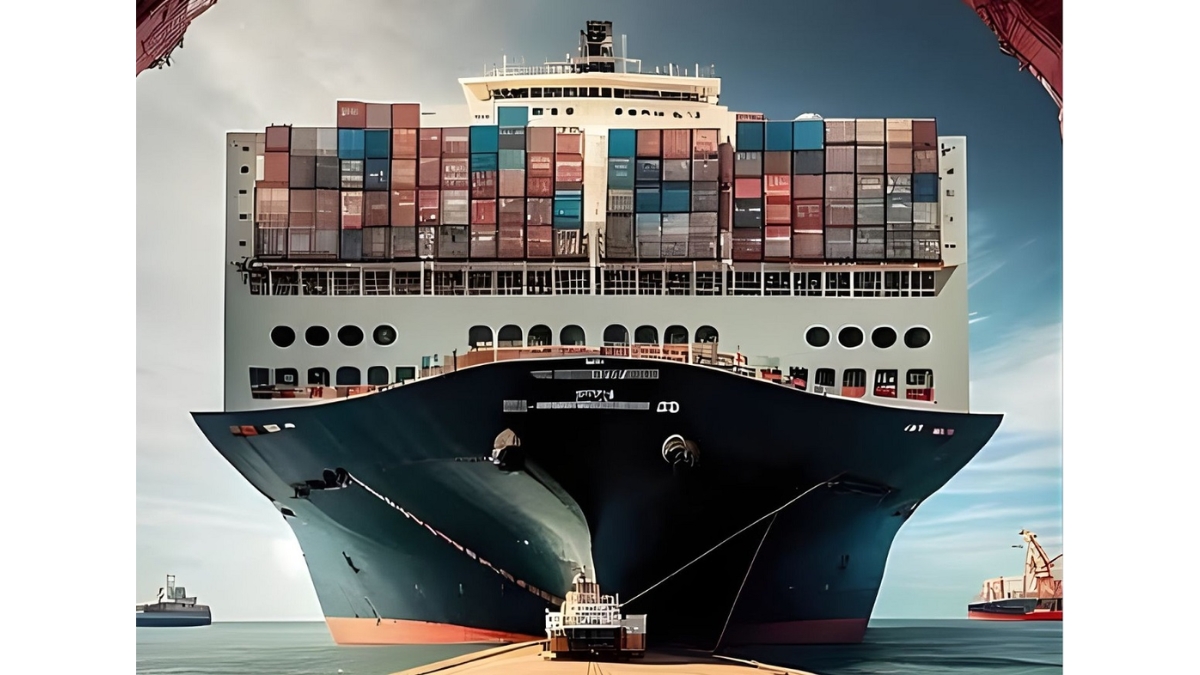
New Delhi [India], October 16: India’s shipbuilding sector is steering toward an ambitious horizon — evolving from a modest participant in global ship construction to aiming for a spot among the world’s top five shipbuilding nations by 2047. Driven by decisive government reforms, strategic investments, and proactive support from the Shipyards Association of India (SAI), the industry is entering what experts describe as its most transformative era yet.
A Sea of Opportunity
Despite having one of the world’s longest coastlines — stretching over 7,500 km — India’s share in global shipbuilding is under 1%. But the tides are turning. With the Maritime Vision 2047 setting a clear roadmap, the government and industry are united in their mission: to expand capacity, attract global orders, and build a self-reliant maritime economy.
India’s current global rank of around 16th in shipbuilding highlights the gap — but also the immense potential. Only a small percentage of ships flying the Indian flag are built domestically. That’s about to change. The government has committed to adding 1,000 new commercial vessels over the next two decades, signaling a massive wave of opportunity for Indian shipyards and allied industries.
Strategic and Economic Significance
The push for indigenous shipbuilding isn’t just economic — it’s strategic. India’s growing naval shipbuilding capabilities have already strengthened the nation’s defense readiness and technology base. Now, that expertise is being channeled into the commercial segment, supporting India’s broader goals of self-reliance and energy security.
Each ship built in India represents more than just tonnage — it means thousands of jobs, demand for Indian steel, and reduced outflow of foreign exchange. With billions of dollars currently spent annually on freight to foreign shippers, a vibrant domestic shipbuilding sector could redirect this capital into national growth.
India’s Competitive Edge
What gives India its edge in this competitive industry? For starters, cost advantage. With lower labor costs and a skilled technical workforce, Indian shipyards can build high-quality vessels at globally competitive rates. Add to that India’s strategic location along major shipping routes — ideal for both commercial builds and quick-turnaround repairs — and the appeal becomes even stronger.
But it’s not just about cost or location. Indian shipbuilders are embracing the future through green and niche technologies. From LNG-powered carriers to hybrid and electric vessels, shipyards are investing in sustainable innovation to meet the world’s demand for cleaner maritime transport. This early focus on eco-friendly vessels positions India uniquely in the global shipbuilding landscape.
Moreover, decades of experience in naval and defense shipbuilding— through entities like Cochin Shipyard and Mazagon Dock — have built deep technical expertise. These shipyards, which have successfully delivered complex projects like aircraft carriers and submarines, now bring the same engineering precision and project management discipline to commercial shipbuilding, along with competent private shipyards.
The Challenges Ahead
However, the path to maritime resurgence isn’t without rough waters. Indian shipyards continue to grapple with high capital costs, import dependence, and infrastructure bottlenecks. Access to affordable, long-term financing remains a challenge, especially when competitors in South Korea or China enjoy heavy state-backed support.
Many critical ship components — from engines to marine electronics — are still imported, driving up costs and timelines. Productivity gaps, outdated facilities, and the need for greater technological modernization also limit global competitiveness.
The Shipyards Association of India (SAI) has consistently raised these concerns, emphasizing the need for sustained policy support and a holistic ecosystem approach to overcome structural disadvantages.
Government Reforms: A Maritime Makeover
Recognizing the sector’s strategic importance, the government has launched a series of groundbreaking initiatives to steer the industry toward global prominence.
At the heart of this effort are the Maritime India Vision 2030 and Vision 2047, which lay out targets to elevate India into the global top ten by 2030 and top five by 2047. Complementing this long-term vision are immediate, tangible reforms:
Financial Assistance Scheme: Extended till 2036 with a fresh outlay of Rs.24,736 crore, it offsets a portion of shipbuilding costs, helping Indian yards compete with foreign counterparts.
Maritime Development Fund: A Rs. 25,000 crore fund introduced in the 2025 Union Budget provides long-term, low-interest loans to shipbuilders and shipping companies, addressing the capital crunch.
Infrastructure Status for Shipbuilding: Recognized in 2025, this long-awaited move opens access to infrastructure financing, though industry leaders continue to advocate for its inclusion under income tax benefits as well.
Domestic Procurement Preferences: Indian shipyards now enjoy a Right of First Refusal (ROFR) on government contracts, while vessels below Rs. 200 crore must be sourced from domestic builders.
Tax and Duty Relief: Basic customs duty exemptions on shipbuilding materials have been extended for another decade, easing input costs and encouraging local production.
Integrated Shipbuilding Clusters: Eight maritime clusters are being planned across coastal states to co-locate shipyards, suppliers, and R&D centers — mirroring the successful East Asian model.
National Shipbuilding Mission: Launched in 2025 with a Rs. 70,000 crore budget, it unifies all major initiatives, from financial aid and infrastructure to technology and skilling.
These measures, combined, are setting the stage for a once-in-a-generation industrial resurgence.
SAI: The Voice of Indian Shipyard
At the center of this transformation is the Shipyards Association of India (SAI) — the industry’s collective voice and policy advocate. SAI has played a pivotal role in securing reforms like infrastructure status, financing support, and the creation of the Maritime Development Fund.
Its recent collaboration with the Indian Steel Association to prioritize domestic steel in shipbuilding is a landmark step toward reducing import dependence. The Association also engages regularly with key ministries, coordinates between public and private yards, and promotes best practices through workshops and training.
SAI’s efforts extend beyond policy — it’s also building public awareness. Through conferences, publications, and social media outreach, SAI is working to change perceptions of shipbuilding from an old-fashioned industry to one that’s modern, green, and full of opportunity.
India Ship Technology Centre: The Innovation Engine
A major milestone in this journey is the upcoming inauguration of the India Ship Technology Centre (ISTC) at the Indian Maritime University, Visakhapatnam. Backed by Rs. 305 crore, ISTC will serve as a national hub for ship design, R&D, and skill development — the nerve center of India’s maritime innovation.
It will act as a common platform for shipyards, suppliers, and academia, fostering collaboration and accelerating the development of indigenous technologies in next-generation shipbuilding.
Riding the Wave of Demand
The timing couldn’t be better. A consolidated demand for 112 new vessels has already been aggregated by major Oil & Gas PSUs like ONGC, IOCL, BPCL, and GAIL. Specifications for 79 priority vessels — including MR Tankers, VLGCs, and Offshore Support Vessels — have been finalized, guaranteeing a healthy order pipeline for Indian yards.
This aggregation effort, aligned with the “Make in India” mandate, is set to boost production, generate employment, and ensure that India’s maritime needs are met by its own shipyards — not foreign ones.
Setting Sail Toward 2047
As the global shipping industry seeks new capacity and cleaner technologies, India stands at the cusp of a historic opportunity. The foundations have been laid — through visionary policies, industry collaboration, and growing demand. The challenge now lies in execution: modernizing shipyards, scaling supply chains, and sustaining policy momentum.
If successful, India won’t just build ships — it will build a legacy of self-reliance, innovation, and maritime might.
With every vessel launched from Indian shores, the nation sails a little closer to its Maritime Vision 2047 — a vision of a prosperous, resilient, and globally admired shipbuilding powerhouse.
The upcoming India Maritime Week (IMW) 2025, is scheduled from 27th-31st October 2025. This event is being organised by Ministry of Ports, Shipping & Waterways is a testament to India’s commitment to fostering national & International dialogue and sustainable growth in the maritime sector. The initiatives of the government aims to provide inclusive growth and sustainable maritime development, fostering strategic partnerships to shape India’s journey as a global maritime hubs.
Website: www.shipyardsassociationofindia.com
Contact Information:
Mobile: +91-9650 279551
Email: shipyardsassociationofindia@gmail.com / ceo@shipyardsassociationofindia.com