





DRDO HAPS Hits 21 Km as Surat’s MANTRA Powers Defence Textiles
SURAT: A textile research body from Surat is now contributing to technology designed to watch India’s borders from the stratosphere. As DRDO’s High-Altitude Platform System (HAPS) reached about 21 km...

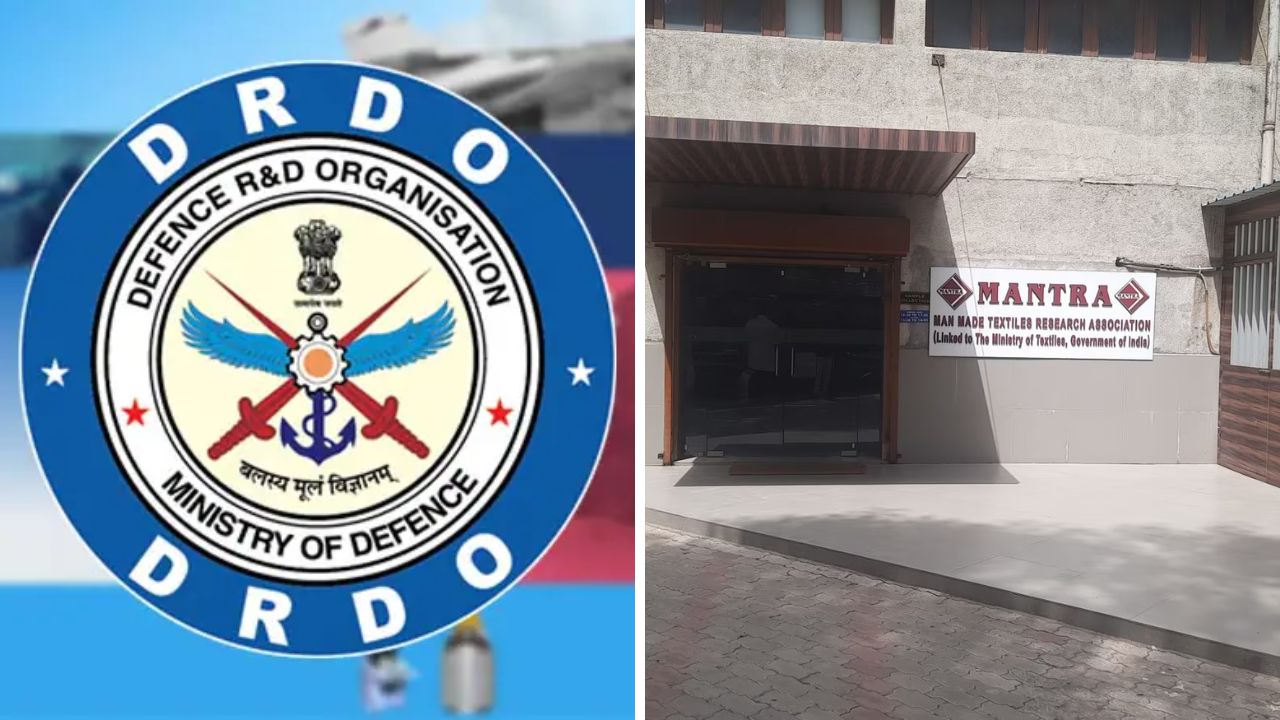
SURAT: A textile research body from Surat is now contributing to technology designed to watch India’s borders from the stratosphere. As DRDO’s High-Altitude Platform System (HAPS) reached about 21 km during a recent test, Surat-based MANTRA is developing specialised coating technology for the advanced aerial platform.
The development takes Surat’s technical textile sector into a new domain: national security.
The Defence Research and Development Organisation tested the high-altitude airship on Tuesday. The system is designed to operate in the stratosphere and support long-duration surveillance, communication and monitoring missions.
During the test, the platform reached an altitude of around 21 km and continuously transmitted real-time video and data to a ground control station, according to the Ministry of Defence.
Designed for high-altitude surveillance
Unlike conventional drones, HAPS is designed to operate at extremely high altitudes for extended periods. The system can carry equipment such as an inertial measurement unit, GPS receiver and onboard camera.
Its ability to remain over a designated area for long periods could support surveillance and communication requirements. It could also provide an alternative or complement to some satellite-based applications.
The HAPS has been designed and developed by the Aerial Delivery Research and Development Establishment (ADRDE), a DRDO laboratory in Agra.
The system is a lighter-than-air platform being developed for long-endurance operations in the stratosphere.
MANTRA develops protective coating
For Surat, the project has a special significance. MANTRA, or The Man-Made Textiles Research Association, is developing a specialised protective coating for textile substrates used in the platform.
The work involves material selection, coating processes, process development, laboratory testing and technical evaluation.
The coating is being developed to provide the functional and protective properties required for a high-performance defence application.
A MANTRA representative said the project highlights the growing importance of technical textiles in strategic sectors.
“The very Surat that supplies textiles to the world is now providing technology for India’s security,” the representative said.
Surat’s textile expertise enters defence
The project reflects the changing profile of Surat’s textile industry. The city is globally known for man-made textiles, but its research capabilities are increasingly moving into advanced technical applications.
MANTRA said the project supports the goals of Atmanirbhar Bharat, Make in India and defence indigenisation.
“This is not merely an R&D project. It is a matter of pride for Surat’s textile sector that technology developed here is contributing to India’s national security,” the organisation said.
The development highlights how technical textiles can move beyond clothing and industrial fabrics to support aerospace and defence applications.