






IITGN Brings Earthquake Safety to Hindi, Urdu
GANDHINAGAR : Earthquakes may be impossible to stop, but the collapse of unsafe buildings and the loss of lives that follow can often be prevented. In a move aimed at taking crucial...

GANDHINAGAR : Earthquakes may be impossible to stop, but the collapse of unsafe buildings and the loss of lives that follow can often be prevented. In a move aimed at taking crucial earthquake-safety knowledge beyond engineering classrooms, IIT Gandhinagar (IITGN) faculty members Prof Manish Kumar and Prof Mohd. Mubashshir Ahsan have translated the internationally acclaimed guide Earthquake-safe Buildings into Hindi and Urdu.
The initiative comes amid reminders from recent devastating earthquakes in countries including Venezuela, Colombia, Indonesia and Japan about the importance of resilient construction. The translated editions are intended to make basic earthquake-safety principles accessible to homeowners, builders, contractors, architects, engineers, students and policymakers.
Originally authored by Andrew Charleson and published by the World Housing Encyclopedia, the guide contains 25 concise and illustrated articles explaining how earthquakes affect buildings and how safer construction can reduce risks. The World Housing Encyclopedia is supported by the Earthquake Engineering Research Institute and the International Association for Earthquake Engineering.
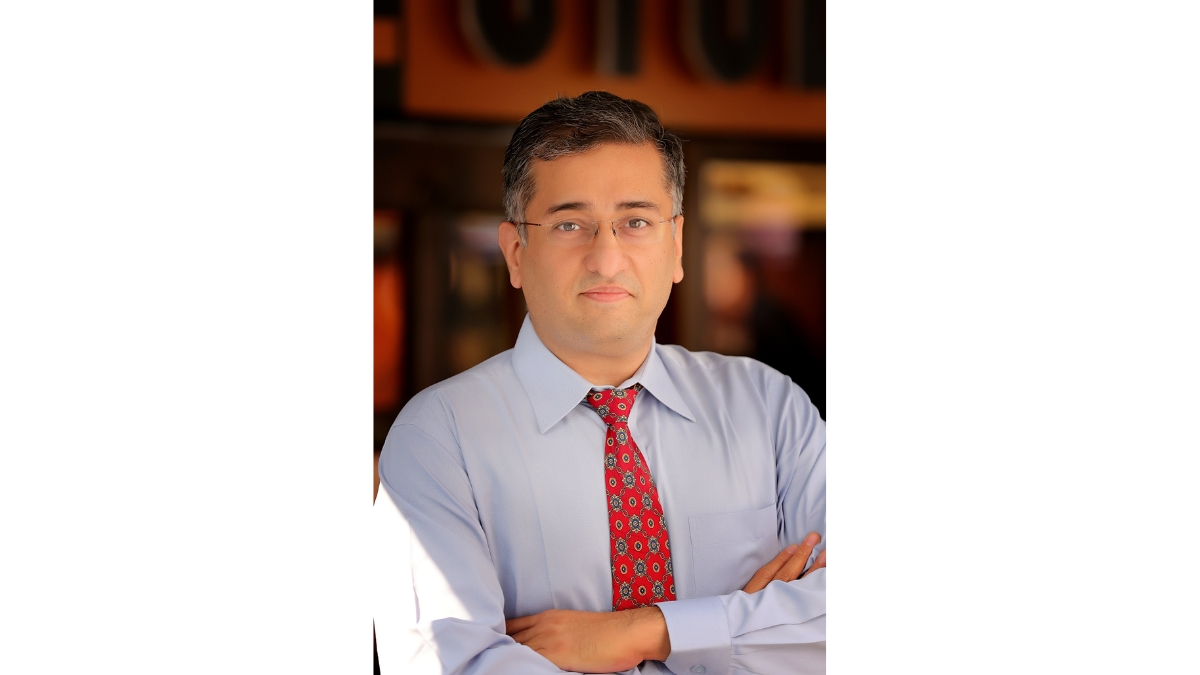
“Earthquake safety is not something only engineers need to understand,” said Prof Manish Kumar, Dean of Student Affairs and Associate Professor in IITGN’s Department of Civil Engineering. He said critical decisions affecting a building’s earthquake performance are often made before construction begins.
“If homeowners and builders understand a few basic principles, such as keeping building layouts simple and regular, avoiding changes that can weaken the structure, using appropriate materials, and paying attention to construction quality, they can make much safer choices without necessarily spending much more,” Kumar said.
The Hindi edition has been contextualised for India rather than being a literal translation. Its opening chapter introduces readers to India’s seismic zones, historical earthquakes and locally relevant examples, while retaining the original guide’s educational purpose.
The initiative is particularly significant for India, where several regions, including the Himalayan belt, Northeast and parts of northern and western India, face considerable seismic risks. Limited access to qualified structural engineers in some areas can further contribute to gaps in design compliance, construction quality, material control and enforcement.
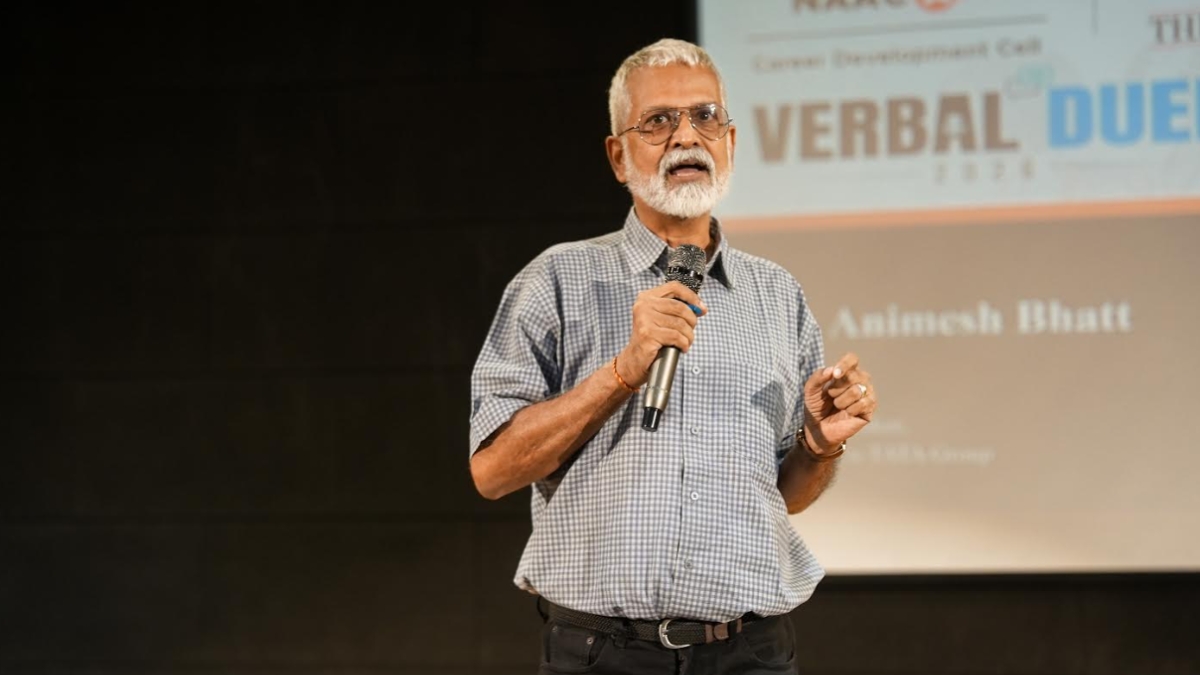
Prof Ahsan, Lecturer in IITGN’s Department of Humanities and Social Sciences, said translating the Urdu edition required striking a balance between technical accuracy and accessibility.
“My biggest challenge was to balance simplicity with scientific accuracy,” he said, adding that he hoped the translation would reach readers who are otherwise excluded because scientific earthquake information is rarely available in Urdu.
The guide covers building collapses, earthquake-resistant structural systems, strong foundations, retrofitting, construction mistakes and building regulations through diagrams, photographs and everyday examples.
The translations build on IITGN’s broader research in earthquake engineering, including seismic risk, masonry structures, earthquake-resistant construction and seismic isolation. The institute hopes the initiative will encourage informed construction decisions and help build more resilient communities across India.