





Gujarat Sees Sharp Fall in Mosquito-Borne Diseases
GANDHINAGAR: Gujarat’s intensified mosquito-control and disease surveillance campaign appears to be yielding results, with the state recording sharp declines in malaria, dengue and chikungunya cases...

GANDHINAGAR: Gujarat’s intensified mosquito-control and disease surveillance campaign appears to be yielding results, with the state recording sharp declines in malaria, dengue and chikungunya cases compared with the corresponding period last year.
According to Health Department data released around World Mosquito Day, malaria cases fell 45%, from 1,407 up to Week 33 of 2025 to 774 during the same period in 2026. Dengue cases dropped 39.1%, from 1,293 to 788, while chikungunya cases declined 48.1%, from 154 to 80.
The government said no deaths from malaria or dengue were recorded during the period.
The decline has come alongside an aggressive surveillance drive focused on early detection, treatment and elimination of mosquito breeding grounds. More than 1.11 crore blood samples were tested for malaria up to Week 33 this year, compared with over 1.09 crore during the corresponding period in 2025.
The state has also strengthened diagnostic facilities, with dengue and chikungunya testing centres operating at 42 medical-college-affiliated hospitals. Nearly 96,000 samples for the two diseases have been tested so far in 2026.
A major house-to-house campaign has brought more than 6.51 crore people under surveillance. During the second phase, conducted from July 1 to 10, 19,558 teams collected more than 2.57 lakh blood samples and identified 28 malaria cases, all of whom were provided treatment.
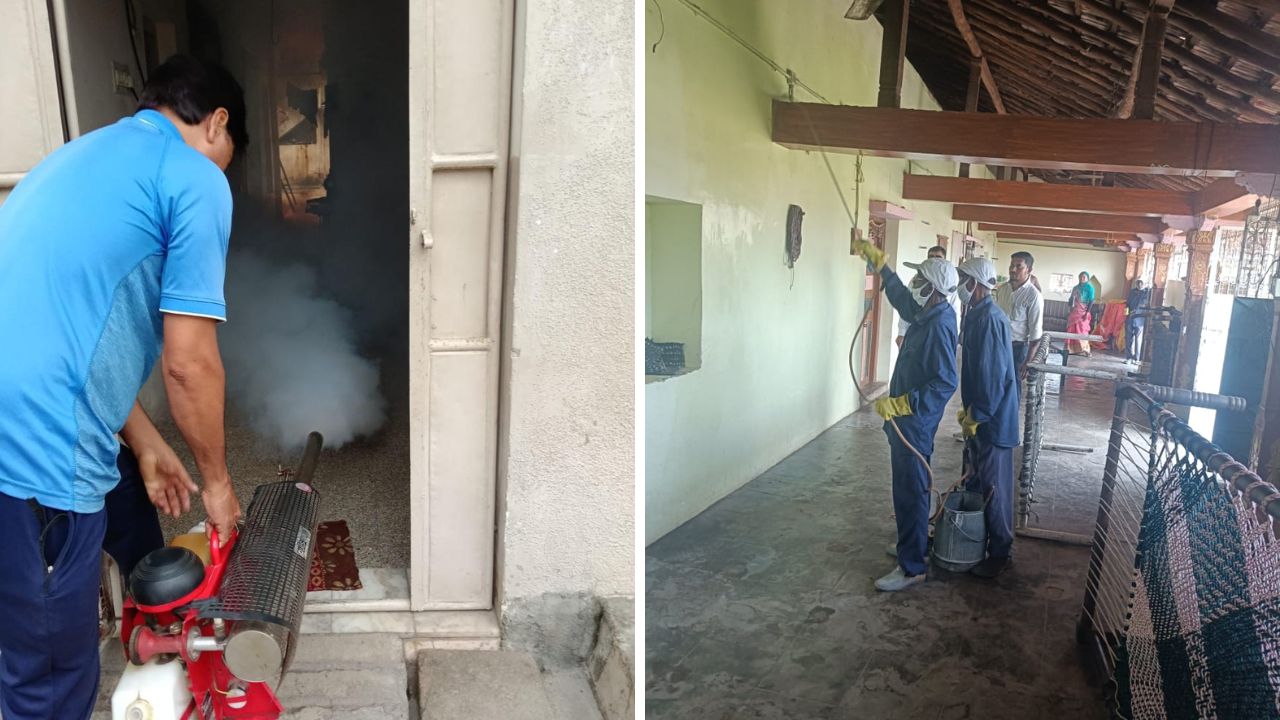
The campaign has also targeted mosquito breeding at its source. Officials said more than 29.63 lakh breeding sites were eliminated, while fogging was carried out in over 3.21 lakh houses.
“Disease prevention, timely diagnosis and treatment remain key priorities,” the state government said, highlighting the need for continued vigilance during the monsoon.
In 24 malaria-sensitive districts, more than one lakh people across 116 villages were covered during the first round of insecticide spraying, with the second round beginning on August 1.
The state has deployed 497 vector-control teams across districts and municipal corporations. Larvivorous fish have also been introduced at 5,024 permanent waterlogging sites to curb mosquito larvae before they develop.